Under-Eye Bags: Proven Remedies, Skincare, And Prevention
Discover proven methods and treatments to reduce under-eye bags and achieve a fresher appearance.
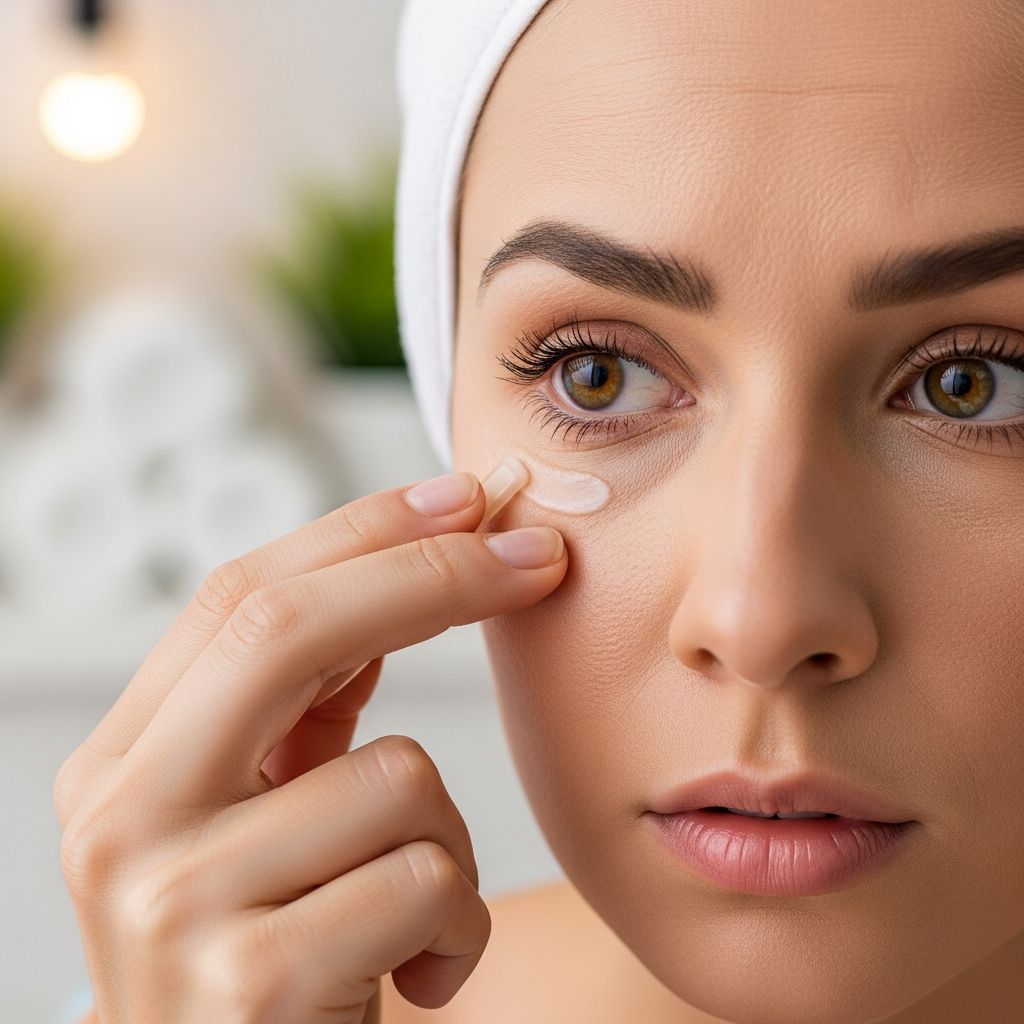
Understanding Under-Eye Bags: Causes and Characteristics
Under-eye bags are one of the most common cosmetic concerns affecting people of all ages, though they become increasingly prevalent as we grow older. These puffy, sagging areas beneath the eyes can make you appear tired, aged, or unwell, even when you’re well-rested and feeling great. The delicate skin around your eyes is significantly thinner than the rest of your facial skin, making it more susceptible to visible changes and signs of aging.
As you age, the muscles and supporting tissues around your eyes naturally weaken over time. This weakening allows the fat pads that normally support your eyeballs to descend into the lower eyelid area, creating that characteristic puffy appearance. Simultaneously, the skin itself loses elasticity and becomes thinner, making the sagging more pronounced and visible. This combination of factors creates the perfect environment for under-eye bags to develop and become more noticeable.
Primary Causes of Under-Eye Bags
Understanding what causes under-eye bags is the first step toward addressing them effectively. Several factors contribute to their development:
- Age-related changes: The most common cause, as the skin loses elasticity and tissues weaken with age
- Fluid retention: Water accumulating beneath the eyes, often due to high salt intake or sleeping position
- Allergies: Inflammatory responses that cause swelling and puffiness in the eye area
- Poor sleep habits: Inadequate rest can exacerbate fluid retention and tissue swelling
- Genetics: Under-eye bags often run in families, suggesting a hereditary component
- Smoking: Reduces vitamin C production, weakening collagen and skin elasticity
- Sun exposure: UV damage breaks down collagen and elastin in the delicate eye area
At-Home Remedies to Reduce Under-Eye Bags
Cold Compress Therapy
One of the simplest and most effective remedies for under-eye bags is cold compress therapy. The cold temperature helps constrict blood vessels in the area, reducing blood flow and subsequently minimizing swelling and puffiness. This straightforward approach can be implemented using common household items. Simply dampen a soft washcloth, place it in the freezer for a few minutes, and then gently apply it over your closed eyes for 10-15 minutes each morning.
For enhanced results, consider using specialized under-eye cooling masks or the traditional cucumber slices method. The combination of cold temperature and the natural properties of these materials can significantly reduce the appearance of bags. Important note: Always ensure your cold compress isn’t excessively cold to avoid damaging the sensitive skin around your eyes. Wrapping the compress in a thin towel provides an extra layer of protection.
Caffeinated Tea Bags
Caffeinated tea, particularly green or black varieties, offers multiple benefits for reducing under-eye bags. Caffeine works by constricting blood vessels and reducing blood flow to the skin, which decreases puffiness and can help minimize dark circles. Additionally, green and black tea contain anti-inflammatory compounds that further help reduce swelling in the delicate eye area.
To use this remedy, brew your chosen tea and then refrigerate the tea bags until they’re thoroughly chilled. Place the cold tea bags under your eyes for 15 to 30 minutes. The combination of the caffeine’s vasoconstriction properties and the cooling effect creates a powerful treatment that many people find highly effective, especially when used consistently as part of their morning routine.
Related Stories



Facial Massage and Gua Sha Techniques
If your under-eye bags are caused by fluid accumulation, gentle facial massage can help drain excess fluid and encourage proper lymphatic drainage. Using a gua sha stone or facial roller, apply light pressure and gentle strokes to the under-eye area. These tools help improve circulation and encourage fluid movement away from the eye area.
When using these techniques, always maintain a gentle touch—the skin around your eyes is extremely delicate and sensitive. Moving the tool from the inner corner of your eye outward toward the temples helps direct fluid toward the lymphatic system. Many people combine this technique with their morning skincare routine for best results.
Strategic Sleep Position
How you sleep significantly impacts whether fluid accumulates beneath your eyes overnight. When you sleep flat, gravity allows fluid to pool in the under-eye area, exacerbating bags by morning. By elevating your head on multiple pillows, you prevent this fluid accumulation. Your head should be raised at approximately a 30-45 degree angle to maximize the benefit.
This preventative approach is particularly effective for people who notice their under-eye bags are worst immediately upon waking. The elevated position encourages proper fluid drainage throughout the night, and you may notice a significant improvement in puffiness within just a few days of consistently using this method.
Topical Skincare Solutions
Caffeine-Based Eye Treatments
When applied topically, caffeine-infused eye treatments provide targeted benefits for under-eye bags. These products work by restricting blood flow to the area, temporarily reducing puffiness and brightening the appearance of tired eyes. Caffeine-containing eye serums typically offer lightweight, hydrating formulas that work quickly to de-puff the eye area while improving skin firmness and smoothness over time with continued use.
Retinol and Retinoid Products
Retinoids, which contain vitamin A, are among the most effective ingredients for long-term improvement of under-eye bags. These powerful compounds increase collagen production, a protein essential for maintaining skin elasticity and firmness. By boosting collagen levels, retinoids help tighten and firm the skin around your eyes, reducing the appearance of sagging.
Additionally, retinoids decrease melanin production, which helps minimize dark spots and discoloration often accompanying under-eye bags. Available in both over-the-counter and prescription strengths, retinoid products come in cream and gel forms. For best results, introduce retinoids gradually into your routine, starting with lower concentrations to allow your skin to adjust. Important: Avoid retinol products if you’re pregnant or planning to become pregnant.
Specialized Eye Creams
Eye creams specifically formulated to address under-eye bags often contain multiple active ingredients working synergistically. Look for products featuring hyaluronic acid for hydration, antioxidants for protection, and firming agents for structural support. The best eye creams address multiple concerns simultaneously—puffiness, dark circles, fine lines, and sagging skin. Apply eye cream gently using your ring finger (which naturally applies the least pressure) both morning and night for optimal results.
Sun Protection and Prevention
The skin around your eyes requires dedicated sun protection. Many people neglect to apply sunscreen to their eye area, leaving this delicate zone vulnerable to damaging UV radiation. Over time, sun exposure breaks down collagen and elastin, leading to wrinkles, sagging, and increased prominence of under-eye bags.
Apply broad-spectrum sunscreen with a minimum SPF of 15 to the eye area daily, rain or shine. SPF 30 or higher provides even better protection. Use a sunscreen specifically formulated for the face to avoid irritation, and reapply every two hours when spending extended time outdoors. Wearing sunglasses provides additional protection while preventing squinting, which can contribute to fine lines and wrinkles around the eyes.
Lifestyle Modifications for Long-Term Prevention
Sleep Quality and Duration
Adequate sleep is fundamental for preventing and reducing under-eye bags. Medical professionals recommend that adults get between seven and nine hours of quality sleep per night. During sleep, your body repairs and regenerates skin cells, and inadequate sleep prevents this crucial restoration process. Poor sleep also increases fluid retention, exacerbating morning puffiness.
Beyond duration, sleep quality matters significantly. Maintain a consistent sleep schedule, create a dark and cool sleeping environment, and avoid screens before bedtime. These practices improve sleep quality and help regulate fluid balance in your body.
Dietary Adjustments
Your diet directly impacts under-eye bag formation. High salt consumption leads to water retention, which causes fluid to accumulate beneath your eyes. The American Heart Association recommends limiting daily sodium intake to no more than 1,500 milligrams per day. Reducing processed foods—a major source of hidden sodium—can significantly decrease morning puffiness.
Conversely, increase your water intake to support proper hydration and kidney function. Well-hydrated bodies maintain better fluid balance and are less prone to compensatory water retention. Additionally, consume collagen-rich foods including beef, chicken, fish, beans, eggs, and dairy products. These foods provide the amino acids and nutrients necessary for your body to maintain skin elasticity and firmness.
Smoking Cessation
Smoking severely compromises skin health and accelerates aging around the eyes. Smoking depletes vitamin C, which is essential for collagen production and skin elasticity. Without adequate vitamin C, your skin loses firmness and becomes more prone to wrinkles and sagging. Quitting smoking not only improves your overall health but also dramatically improves your skin’s appearance and your body’s ability to maintain youthful-looking eyes.
Allergy Management
Allergies frequently cause under-eye puffiness through inflammatory responses. If you suspect allergies contribute to your bags, consult your healthcare provider about appropriate allergy management strategies. Antihistamines or allergy medications can reduce inflammation and swelling. Identifying and avoiding your specific allergens also helps prevent recurring puffiness.
Professional Treatments for Stubborn Under-Eye Bags
When at-home remedies and lifestyle modifications aren’t sufficient, several professional treatments can address under-eye bags more aggressively:
- Dermal fillers: Injectable fillers can restore volume beneath the eyes, smoothing hollows and reducing the appearance of bags
- Chemical peels: These treatments remove damaged outer skin layers, promoting collagen production and skin tightening
- Laser therapy: Laser treatments stimulate collagen production and improve skin texture and firmness
- Eyelid surgery (blepharoplasty): For severe cases, surgical removal or repositioning of excess skin and fat provides permanent results
Discuss these options thoroughly with a dermatologist or plastic surgeon to determine which approach best suits your specific situation, desired outcomes, and budget.
Makeup Solutions for Immediate Results
While you work on addressing under-eye bags through remedies and treatments, strategic makeup application can provide immediate cosmetic improvement. Color correctors neutralize discoloration before concealer application. For purple-toned dark circles, use orange or warm-toned correctors. For blue-toned circles, yellow or peach correctors work best. Apply the color corrector first, then layer concealer one shade lighter than your skin tone, gently blending to create a smooth, natural appearance.
Frequently Asked Questions
Q: Can under-eye bags be permanent?
A: Under-eye bags caused by aging and skin laxity can be significantly reduced but may require professional treatments for complete resolution. However, puffiness from fluid retention can be managed and often eliminated through at-home remedies and lifestyle modifications.
Q: How long does it take to see results from at-home treatments?
A: Cold compress therapy and caffeine treatments provide immediate temporary improvement. Long-term results from retinoids and eye creams typically appear after four to twelve weeks of consistent use.
Q: Are under-eye bags medically concerning?
A: Generally, under-eye bags are purely cosmetic concerns. However, if swelling is severe, painful, itchy, or persistent, consult your doctor to rule out underlying medical conditions or allergies.
Q: Can I prevent under-eye bags from forming?
A: While age-related changes cannot be completely prevented, you can significantly reduce bag formation and severity through sun protection, quality sleep, proper hydration, a low-sodium diet, and avoiding smoking.
Q: Which remedy works fastest for under-eye bags?
A: Cold compresses and caffeinated tea bags provide the fastest results, typically showing noticeable improvement within 10-15 minutes. These methods are ideal for special occasions when you need quick improvement.
Q: Is retinol safe for sensitive skin?
A: Start with the lowest concentration and use it only 2-3 times weekly initially, gradually increasing frequency as your skin builds tolerance. Always follow product instructions and consult a dermatologist if you have concerns.
References
- Mayo Clinic – Bags Under Eyes — Mayo Clinic. 2024. https://www.mayoclinic.org/diseases-conditions/bags-under-eyes/symptoms-causes/syc-20369927
- Remedies for Bags Under Eyes — WebMD. 2024. https://www.webmd.com/beauty/remedies-for-bags-under-eyes
- How To Get Rid of Eye Bags: 13 Tricks That Actually Work — L’Oréal Paris USA. 2024. https://www.lorealparisusa.com/beauty-magazine/skin-care/skin-care-concerns/how-to-get-rid-of-under-eye-bags
- The Role of Retinoids in Anti-Aging Skincare — American Academy of Dermatology Association. 2024. https://www.aad.org/public/everyday-care/skin-care-basics/sun-protection
- Dietary Sodium and Health — American Heart Association. 2024. https://www.heart.org/en/healthy-living/healthy-eating/eat-smart/sodium
- Sleep and Skin Health — National Sleep Foundation. 2024. https://www.thesleepfoundation.org/sleep-and-skin-health
- Sunscreen and Skin Protection Guidelines — U.S. Food and Drug Administration. 2024. https://www.fda.gov/drugs/understanding-over-counter-medicines/sunscreen
Similar Articles








Read full bio of Sneha Tete