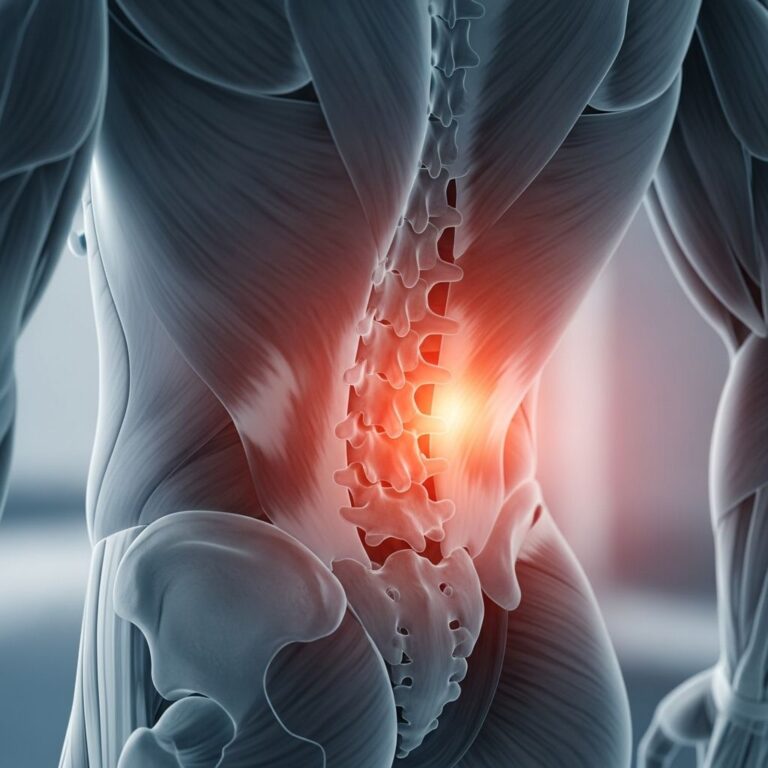
How to Get Rid of Belly Fat: Science-Based Strategies
Proven methods to reduce visceral belly fat and improve your health.

Understanding Belly Fat: Why It Matters
Belly fat, particularly visceral fat that surrounds vital organs, poses unique health risks distinct from fat stored elsewhere on the body. Unlike subcutaneous fat beneath the skin, visceral fat is metabolically active and produces hormones and inflammatory substances that can increase the risk of type 2 diabetes, heart disease, and certain cancers. Understanding the difference between these fat types is crucial for developing effective weight loss strategies that target the most dangerous deposits.
Research demonstrates that individuals with excess abdominal fat face elevated cardiovascular risks regardless of their overall body mass index. This troubling reality has prompted health organizations worldwide to emphasize belly fat reduction as a priority for chronic disease prevention. The good news is that visceral fat responds more readily to lifestyle interventions than other fat deposits, making targeted strategies particularly effective.
The Role of Diet in Reducing Belly Fat
Focus on Whole Foods
Dietary choices form the foundation of any belly fat reduction program. Emphasizing whole, unprocessed foods over refined carbohydrates and added sugars creates a metabolic environment favorable to fat loss. Whole grains, legumes, vegetables, and fruits provide sustained energy while promoting satiety, reducing the likelihood of overeating.
Increase Protein Intake
Protein consumption plays a significant role in body composition changes. Higher protein diets preserve muscle mass during weight loss, maintain elevated metabolic rates, and reduce hunger hormones that drive overeating. Including lean meats, fish, eggs, dairy products, and plant-based proteins at each meal supports these beneficial effects.
Limit Sugary Beverages and Refined Carbohydrates
Research consistently links sugary drinks and refined carbohydrates to increased visceral fat accumulation. These foods trigger rapid blood sugar spikes, excessive insulin release, and fat storage in abdominal regions. Replacing these items with water, herbal tea, and complex carbohydrates yields measurable improvements in belly fat reduction.
Consider Healthy Fats
Contrary to outdated beliefs, dietary fat doesn’t necessarily increase body fat. Healthy fats from avocados, nuts, seeds, and fatty fish support hormone production, reduce inflammation, and enhance satiety. Moderation remains important, but eliminating all fats proves counterproductive.
Exercise: The Essential Component
Aerobic Activity
Cardiovascular exercise demonstrates particular effectiveness for reducing visceral fat. Studies show that moderate-intensity aerobic activity performed for 150 minutes weekly produces significant abdominal fat loss, even without dietary changes. Walking, running, cycling, and swimming all provide excellent options. The key is consistency and maintaining an intensity that elevates heart rate into the target zone.
Resistance Training
Strength training builds lean muscle mass, which increases resting metabolic rate and improves body composition. Muscle tissue burns more calories than fat tissue, even at rest, creating a long-term advantage for weight management. Resistance training also improves insulin sensitivity, reducing the tendency toward abdominal fat storage.
High-Intensity Interval Training
HIIT workouts combine short bursts of intense effort with recovery periods, creating significant metabolic effects in minimal time. Research indicates that interval training may prove particularly effective for visceral fat reduction compared to steady-state aerobic exercise, though any exercise surpasses sedentary behavior.
Sleep: The Often-Overlooked Factor
Sleep deprivation disrupts hormones regulating hunger and satiety, specifically increasing ghrelin (the hunger hormone) while decreasing leptin (the satiety hormone). Insufficient sleep also elevates cortisol levels, a stress hormone that promotes abdominal fat storage. Most adults require approximately seven to eight hours nightly for optimal metabolic function and weight management.
Related Stories



Establishing consistent sleep schedules, maintaining cool, dark sleeping environments, and limiting screen exposure before bedtime support better sleep quality. These adjustments improve not only belly fat reduction but overall health and vitality.
Stress Management and Cortisol Control
Chronic stress elevates cortisol levels persistently, prompting the body to preferentially store fat in abdominal regions while simultaneously increasing appetite for calorie-dense foods. Breaking this cycle requires deliberate stress reduction practices. Meditation, deep breathing exercises, yoga, and mindfulness training all reduce cortisol production and support belly fat loss.
Physical activity itself functions as a powerful stress reducer, creating a beneficial cycle where exercise simultaneously addresses multiple factors contributing to belly fat accumulation. Social connection and engaging activities that bring joy further reduce stress-related fat storage.
Alcohol Consumption and Belly Fat
Excessive alcohol intake, particularly beer and sugary cocktails, contributes significantly to belly fat accumulation. Alcohol provides empty calories while impairing the liver’s ability to metabolize fat effectively. Limiting alcohol consumption to moderate levels—up to one drink daily for women and two for men—supports fat loss goals.
Hydration and Metabolic Function
Adequate water intake supports numerous metabolic processes essential for weight loss. Drinking water before meals increases satiety, reducing overall calorie consumption. Proper hydration also improves exercise performance, allowing more intense workouts that produce greater fat loss. Replacing sugary beverages with water provides the dual benefit of reducing liquid calories while improving hydration status.
Hormonal Factors Affecting Belly Fat
Insulin resistance significantly increases visceral fat accumulation. When cells don’t respond appropriately to insulin, the pancreas produces excessive amounts, signaling the body to store more fat, particularly abdominally. Improving insulin sensitivity through weight loss, exercise, and dietary improvements creates a favorable metabolic environment for belly fat reduction.
Estrogen and testosterone imbalances also influence fat distribution patterns. Hormonal changes during menopause often accelerate abdominal fat gain in women. Understanding these hormonal influences helps contextualize individual experiences and develop personalized strategies.
The Importance of Realistic Expectations
Belly fat reduction takes time, and spot reduction through exercise alone proves impossible—the body mobilizes fat deposits in genetically determined patterns. However, combining cardiovascular exercise, strength training, dietary improvements, stress reduction, and sleep optimization creates powerful synergistic effects that produce visible abdominal changes within weeks and significant improvements within months.
Patience and consistency matter far more than perfection. Missing occasional workouts or indulgent meals doesn’t derail progress; rather, the overall pattern of choices determines outcomes. Approaching belly fat loss as a lifestyle evolution rather than a temporary diet increases long-term success rates substantially.
Frequently Asked Questions
Q: Can abdominal exercises alone reduce belly fat?
A: No. Spot reduction is not possible. While abdominal exercises strengthen core muscles, they don’t directly burn belly fat. However, they improve posture and muscle tone, which becomes visible once overall fat loss exposes underlying musculature. A comprehensive approach combining cardio, strength training, and dietary changes proves necessary.
Q: How long before results become visible?
A: Most people notice modest improvements within 2-4 weeks of consistent effort, with more significant changes appearing after 8-12 weeks. Individual results vary based on starting point, genetics, age, and adherence to lifestyle changes. Internal health improvements occur even before visible external changes.
Q: Is belly fat more dangerous than fat elsewhere?
A: Yes. Visceral fat surrounding organs produces inflammatory substances and hormones that increase disease risk more than subcutaneous fat under the skin. This metabolic activity makes visceral fat a greater health concern regardless of total body weight.
Q: Can supplements help reduce belly fat?
A: While some supplements may provide modest support, research shows that lifestyle factors—diet, exercise, sleep, and stress management—produce far greater results than supplements alone. Always consult healthcare providers before starting new supplements.
Q: Does age affect belly fat reduction ability?
A: Age does affect metabolism and hormone levels, potentially making weight loss slightly more challenging. However, consistent exercise, improved nutrition, and lifestyle modifications remain effective across all age groups. Older adults particularly benefit from strength training to maintain muscle mass during weight loss.
References
- Visceral Adiposity and Cardiometabolic Disease — Harvard T.H. Chan School of Public Health. 2024. https://www.hsph.harvard.edu/obesity-prevention-source/visceral-fat/
- Physical Activity Guidelines for Americans — U.S. Department of Health & Human Services. 2018. https://health.gov/sites/default/files/2019-09/Physical_Activity_Guidelines_2nd_edition.pdf
- Sleep Duration and Obesity Risk — National Institutes of Health. 2023. https://www.niddk.nih.gov/health-information/weight-management/adult-overweight-obesity/causes
- Exercise vs. Pharmacotherapy for Depression — JAMA Psychiatry Meta-Analysis. 2023. https://pubmed.ncbi.nlm.nih.gov/
- Dietary Patterns and Visceral Fat Accumulation — American Heart Association. 2023. https://www.heart.org/en/healthy-living/healthy-eating/eat-smart
Similar Articles








Read full bio of medha deb