How to Get Rid of Bloating: Tips for Relief
Expert strategies to eliminate bloating and enjoy digestive comfort naturally.
Bloating is an uncomfortable condition affecting millions of people worldwide. This sensation of fullness, tightness, or distension in the abdomen can occur after meals, during the day, or even persist throughout the entire day. According to recent research, approximately 16% to 30% of the U.S. population experiences bloating regularly, making it one of the most common digestive complaints. While occasional bloating is typically harmless and resolves on its own, chronic bloating can significantly impact your quality of life, confidence, and overall well-being.
The good news is that bloating is often preventable and treatable through simple lifestyle modifications, dietary adjustments, and natural remedies. Rather than relying solely on over-the-counter medications, understanding the root causes of bloating and implementing evidence-based strategies can provide lasting relief and improve your digestive health.
Understanding the Causes of Bloating
Bloating occurs when your digestive system becomes filled with gas or when your stomach becomes distended. Several factors can contribute to this uncomfortable condition. Gas accumulation from swallowing air while eating, carbonated beverages, or the breakdown of food by intestinal bacteria is a primary cause. Digestive issues such as constipation, food intolerances, and unhealthy eating habits can also trigger bloating. Additionally, hormonal fluctuations, stress, and certain medical conditions like irritable bowel syndrome (IBS), lactose intolerance, and acid reflux can exacerbate bloating symptoms.
Understanding these underlying causes is essential for developing an effective treatment plan tailored to your specific situation. What works for one person may not work for another, so it’s important to identify your personal bloating triggers.
Dietary Strategies to Reduce Bloating
Eat Slowly and Mindfully
One of the simplest yet most effective ways to reduce bloating is to slow down while eating. When you eat too quickly, you tend to swallow excess air along with your food, which contributes to gas and bloating. Additionally, eating slowly allows your digestive system more time to process food properly and sends satiety signals to your brain, helping you eat appropriate portions.
Practice chewing each bite thoroughly—aim for at least 20 to 30 chews per bite—and put your fork down between bites. This mindful eating approach not only reduces bloating but also improves overall digestion and nutrient absorption.
Choose Bloating-Friendly Foods
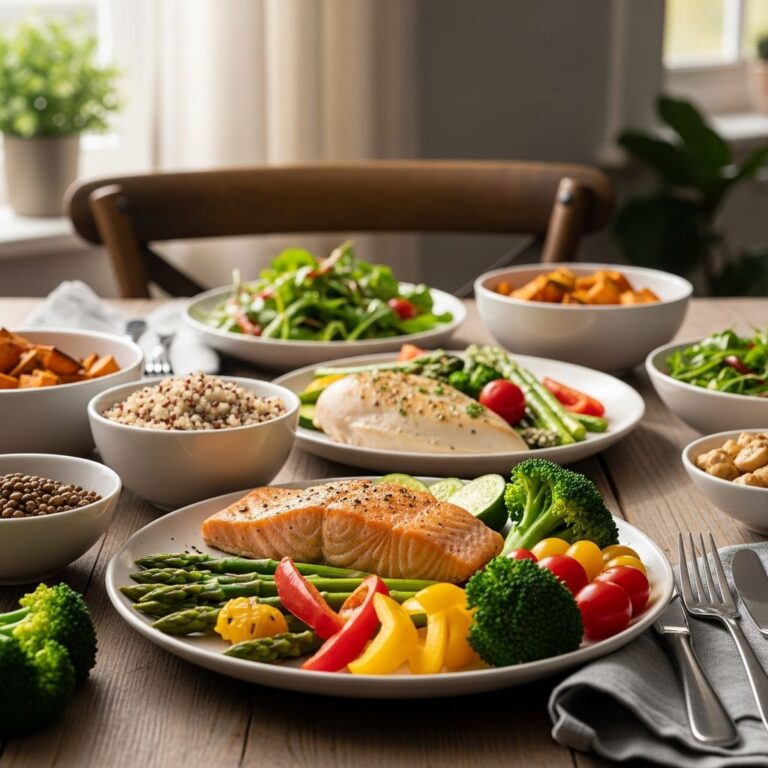
Certain foods are particularly effective at reducing bloating due to their digestive properties. Papaya and kiwi contain natural enzymes that break down proteins and improve digestion. The papain enzyme in papaya makes protein easier to digest, while kiwi contains actinidin, an enzyme that may accelerate stomach emptying and reduce bloating. A 2013 study found that people who consumed a papaya-based formula for 40 days experienced significant improvements in constipation and bloating.
Related Stories



Ginger and fennel are also powerful digestive aids. These ingredients help relax gastrointestinal muscles and allow trapped gas to pass through your system naturally. Cucumbers and zucchini, being rich in water content, act as mild diuretics that reduce water retention and bloating. Bananas, particularly when slightly green, provide resistant starch that supports beneficial gut bacteria and promotes smooth bowel function.
Yogurt and other fermented foods containing probiotics maintain a healthy gut microbiome, which is essential for proper digestion. Cumin seeds improve digestion and reduce intestinal gas production, while peppermint has a soothing effect on the digestive tract and is known for easing bloating associated with irritable bowel syndrome.
Reduce Gas-Producing Foods
Certain foods are known to produce excess gas during digestion. These include cruciferous vegetables like cabbage, broccoli, and cauliflower; legumes such as beans and lentils; and high-fiber foods consumed in large quantities. While these foods are nutritious and shouldn’t be eliminated entirely, consuming them in moderation and preparing them properly can minimize bloating. For example, soaking beans before cooking and discarding the water can reduce their gas-producing effects.
Carbonated beverages, including soda, sparkling water, and beer, introduce gas directly into your digestive system and should be limited or avoided if you’re prone to bloating. Artificial sweeteners used in diet sodas can also trigger bloating in sensitive individuals.
Stay Hydrated
Proper hydration is crucial for maintaining digestive health and preventing bloating. Drinking adequate water throughout the day helps soften stool, prevents constipation, and supports the movement of food through your digestive system. However, avoid drinking large amounts of liquid immediately before or during meals, as this can contribute to feelings of fullness and bloating. Instead, sip water between meals and with meals in moderate amounts.
Natural Remedies and Herbal Teas
Basil Tea
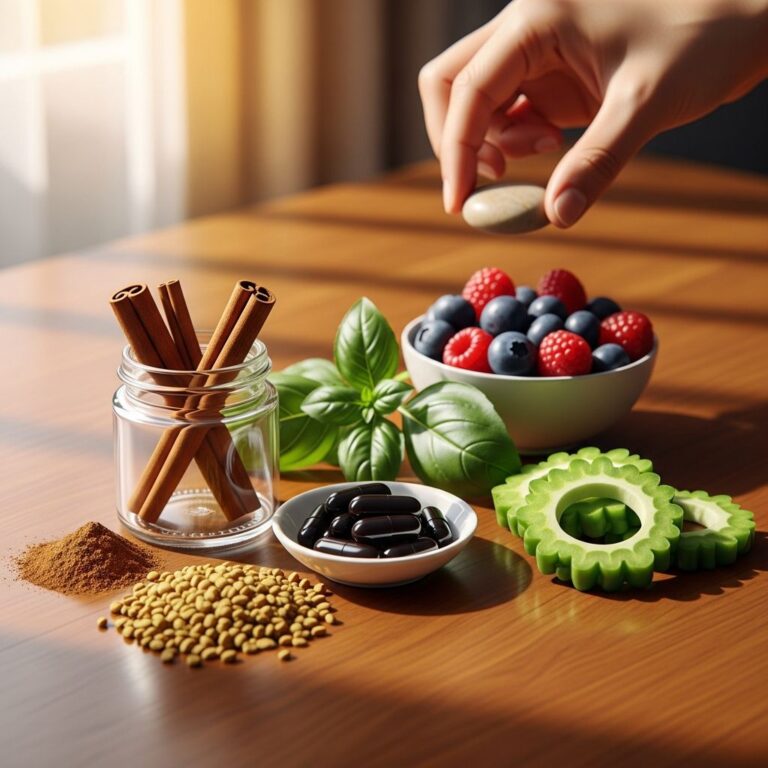
Basil contains natural compounds that relax your digestive muscles and release trapped gas. According to gastroenterology experts, most people feel relief within 15 to 20 minutes of consuming basil tea. To prepare basil tea at home, boil water in a pot or kettle and add fresh basil leaves to a teapot or mug. Pour the boiling water over the basil and steep for 5 to 10 minutes before straining. Enjoy the tea warm and notice the soothing effects on your digestive system.
Fennel Tea
Fennel, a common spice found in most kitchens, has been used for centuries to improve digestion and reduce bloating. The chemical compound anethole found in fennel helps relax the muscles of the gastrointestinal tract and relieves bloating. To prepare fennel tea, crush fennel seeds and add them to boiling water. Steep for 10 to 15 minutes and sip the tea warm. This longer steeping time allows the beneficial compounds to fully extract into the water.
Ginger Tea
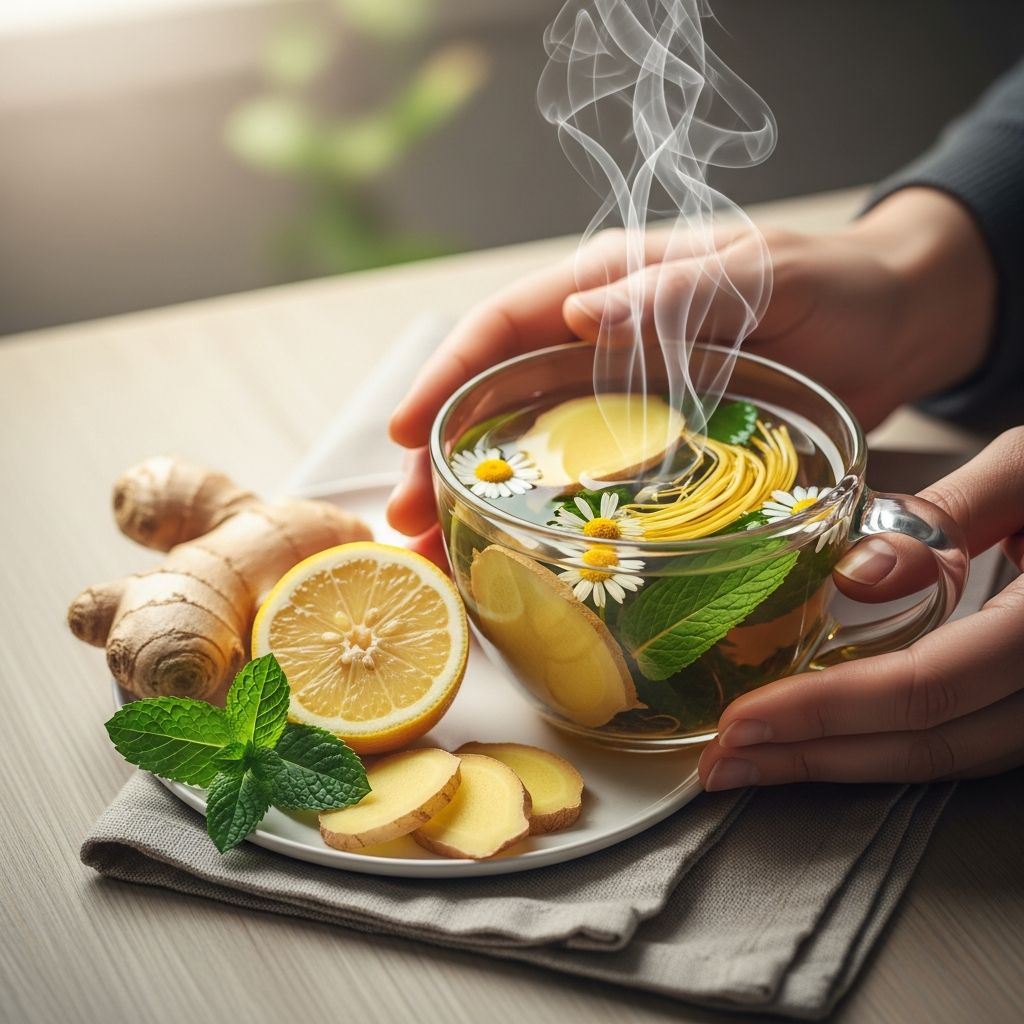
Ginger is renowned for its gut-healing properties and can relieve bloating within minutes of consumption. A 2018 systematic review of clinical studies found that ginger has a carminative effect, which decreases pressure on the lower esophageal sphincter, reduces intestinal cramping, and prevents dyspepsia, flatulence, and bloating. To make ginger tea, slice 1 to 2 inches of fresh ginger and simmer it in water for 10 to 15 minutes. Strain and sip the tea for immediate relief.
Peppermint Tea
Peppermint tea is an excellent option for soothing the digestive tract and easing discomfort caused by bloating. Studies demonstrate that peppermint relaxes the gut, potentially relieving intestinal spasms and the bloating and pain accompanying them. Peppermint oil is also known for its antimicrobial properties, which can support overall digestive health. Steep dried or fresh peppermint leaves in hot water for 5 to 10 minutes and enjoy the calming effects.
Lifestyle Modifications for Bloating Relief
Take a Walk After Meals
Physical activity after eating significantly aids digestion and helps gas pass through your digestive system naturally. A short 10 to 15-minute walk after meals stimulates natural movement in your digestive tract, facilitates the progression of food through your stomach and intestines, and relieves built-up bloating. This simple practice is particularly effective after larger meals or if you’re prone to bloating.
Manage Stress and Practice Relaxation
Stress directly impacts digestive function. When your body is in a stressed state, it diverts energy away from digestion and toward the fight-or-flight response, which can slow digestive movements and contribute to bloating. Implementing relaxation techniques such as deep breathing exercises, meditation, and yoga can calm your nervous system and improve digestive function.
Try practicing diaphragmatic breathing, where you breathe deeply through your nose for a count of four, hold for a count of four, and exhale for a count of four. Even 5 to 10 minutes of this practice daily can significantly reduce stress-related bloating.
Establish Regular Bowel Habits
Constipation is a major contributor to bloating. When stool remains in your colon for extended periods, bacteria ferment the remaining food, producing excess gas and causing bloating and discomfort. Establishing regular bowel habits by setting aside time each day for bathroom visits, typically in the morning after breakfast, can help regulate your digestive system.
Limit Sodium Intake
Excessive sodium consumption can cause water retention, which contributes to bloating and a puffy appearance. Reducing your intake of processed foods, canned products, and added salt can help minimize bloating. Instead, opt for fresh whole foods and season your meals with herbs and spices.
Over-the-Counter Options
Simethicone (Simeticone)
Simethicone is an antiflatulent medication used to treat farting, trapped wind, and bloating. This over-the-counter option works by breaking up gas bubbles in your digestive tract, making it easier for gas to pass. People with irritable bowel syndrome sometimes take simethicone to ease their symptoms, though medical evidence on its effectiveness is mixed. It’s generally considered safe and may provide quick relief for some individuals.
When to Seek Medical Attention
While occasional bloating is normal and typically resolves with dietary and lifestyle changes, persistent bloating may indicate an underlying medical condition. Consult a healthcare professional if you experience chronic bloating that doesn’t improve with lifestyle modifications, bloating accompanied by severe pain or other concerning symptoms, unexplained weight loss, or changes in bowel habits that persist for more than a few weeks.
Certain conditions such as acid reflux, lactose intolerance, celiac disease, and irritable bowel syndrome can cause persistent bloating and require professional diagnosis and treatment. A healthcare provider can help identify the underlying cause and recommend appropriate interventions.
Quick Reference Guide for Bloating Relief
| Method | How to Use | Expected Timeline |
|---|---|---|
| Basil Tea | Steep fresh basil leaves in hot water for 5-10 minutes | 15-20 minutes |
| Fennel Tea | Crush fennel seeds and steep in hot water for 10-15 minutes | 15-30 minutes |
| Ginger Tea | Simmer fresh ginger slices in water for 10-15 minutes | 10-20 minutes |
| Walking | Take a brisk 10-15 minute walk after meals | 30 minutes |
| Peppermint Tea | Steep peppermint leaves in hot water for 5-10 minutes | 15-30 minutes |
| Simethicone | Take as directed on package after meals | 30-60 minutes |
Frequently Asked Questions (FAQs)
Q: What is the fastest way to relieve bloating?
A: The fastest relief typically comes from herbal teas like ginger, basil, or peppermint, which can provide relief within 15 to 20 minutes. Taking a short walk after meals and practicing deep breathing can also provide quick relief by stimulating digestion and reducing gas.
Q: Can bloating be prevented entirely?
A: While occasional bloating is normal, most cases can be prevented or minimized through dietary modifications, eating slowly, staying hydrated, managing stress, and maintaining regular physical activity. However, some individuals with underlying digestive conditions may experience bloating despite preventive efforts.
Q: Are herbal remedies safe for everyone?
A: Most herbal remedies are generally safe for adults when consumed in moderate amounts. However, pregnant or breastfeeding women, individuals taking medications, and those with certain medical conditions should consult a healthcare provider before using herbal teas or supplements to avoid potential interactions.
Q: How much water should I drink to prevent bloating?
A: Most adults should aim to drink around 8 to 10 glasses of water daily. However, avoid drinking large amounts immediately before or during meals, as this can increase bloating. Instead, sip water gradually throughout the day between meals.
Q: Should I avoid all gas-producing foods?
A: No, you don’t need to eliminate gas-producing foods entirely as many are nutritious. Instead, consume them in moderation and combine them with other foods that aid digestion. You can also prepare them differently—for example, soaking beans before cooking reduces their gas-producing effects.
Q: Is bloating a sign of a serious medical condition?
A: Occasional bloating is usually not a sign of serious illness. However, persistent bloating accompanied by severe pain, unexplained weight loss, or changes in bowel habits should be evaluated by a healthcare professional to rule out underlying conditions.
Q: Can stress really cause bloating?
A: Yes, stress significantly impacts digestive function. When stressed, your body’s fight-or-flight response diverts energy away from digestion, slowing digestive movements and contributing to bloating. Managing stress through relaxation techniques can improve digestive health.
Q: How long does it take for lifestyle changes to reduce bloating?
A: Many people notice improvement in bloating symptoms within days to weeks of implementing dietary and lifestyle changes. However, if you have chronic bloating from an underlying condition, it may take longer to see significant improvements, and medical treatment may be necessary.
References
- Harvard doctor-approved 3 herbal teas to prevent bloating — Times of India. 2025. https://timesofindia.indiatimes.com/life-style/health-fitness/health-news/harvard-doctor-approved-3-herbal-teas-to-prevent-bloating/photostory/125581529.cms
- Harvard gastroenterologist shares 4 tips to avoid bloating: Eat kiwi or papaya to break down trapped gas — Hindustan Times. 2025. https://www.hindustantimes.com/lifestyle/health/harvard-gastroenterologist-shares-4-tips-to-avoid-bloating-eat-kiwi-or-papaya-to-break-down-trapped-gas-101749780332003.html
- Bloated after every meal? Harvard-trained gut doctor reveals 10 everyday foods that can calm your stomach naturally — Economic Times. 2025. https://economictimes.com/magazines/panache/bloated-after-every-meal-harvard-trained-gut-doctor-reveals-10-everyday-foods-that-can-calm-your-stomach-naturally/articleshow/125091270.cms
- Papaya-based formula improves constipation and bloating — Journal of Medicinal Food. 2013.
- Ginger: Systematic review of its clinical efficacy and applications — Peer-reviewed medical literature. 2018.


Read full bio of Sneha Tete