Body Acne: 6 Step-By-Step Treatments For Clear Skin
Expert dermatologist tips to treat and prevent acne on your back, chest, and body for clearer skin.
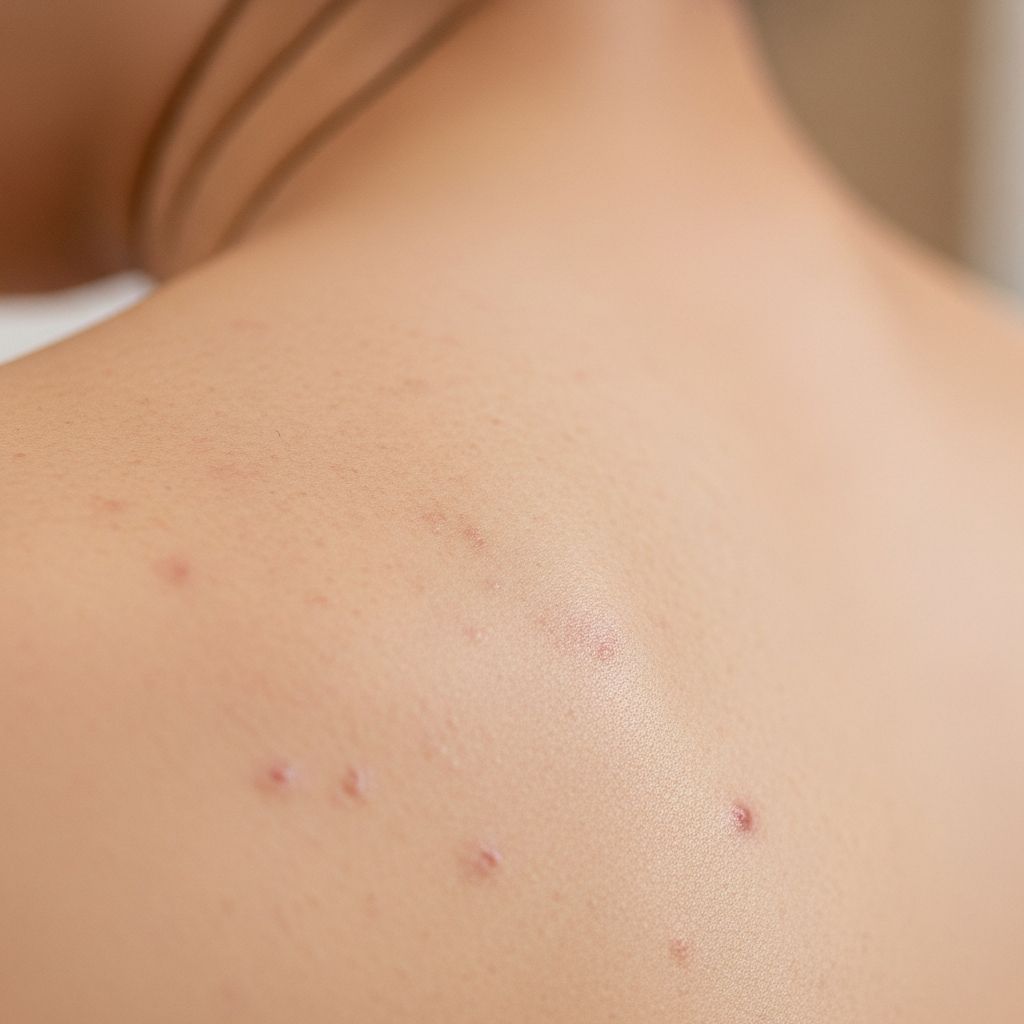
Body acne, often affecting the back, chest, and shoulders, impacts millions and can be particularly frustrating due to hard-to-reach areas and larger surface coverage. Unlike facial acne, body acne—sometimes called “bacne” or truncal acne—tends to appear in adolescence or young adulthood and is more common in males, driven by genetics, hormones, and lifestyle factors. Effective treatment involves consistent skincare, hygiene habits, and sometimes prescription options to unclog pores, reduce inflammation, and prevent scarring.
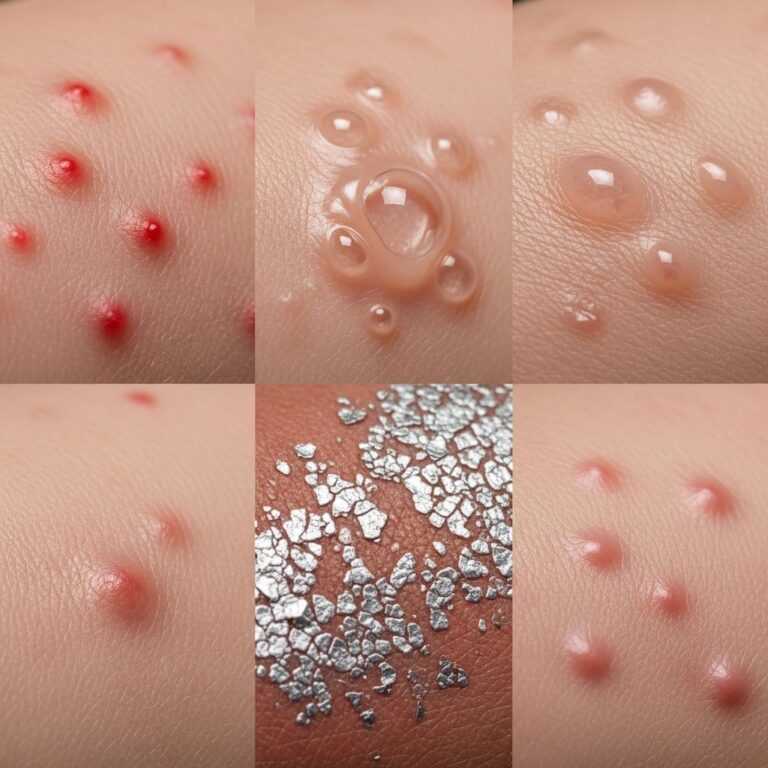
Understanding the root causes is key: excess oil production, dead skin buildup, bacteria like Propionibacterium acnes, and hormonal fluctuations lead to clogged follicles forming whiteheads, blackheads, papules, pustules, or painful cysts. Sweat, tight clothing, and friction from workouts exacerbate it. With targeted approaches, most cases improve significantly within weeks to months.
What Causes Body Acne?
Body acne develops similarly to facial acne but thrives in areas with more oil glands and sweat. Key triggers include:
- Hormonal changes: Androgens like testosterone boost sebum production, common in teens, men, or those using anabolic steroids.
- Genetics: Family history increases risk, as inherited traits affect oil production and inflammation.
- Diet: High-glycemic foods, dairy, and sugars spike insulin, worsening acne.
- Hygiene and friction: Sweat-trapping clothes, infrequent showers post-exercise, and abrasive fabrics irritate skin.
- Other factors: Comedogenic products, stress, and medications like corticosteroids contribute.
In adult females, hormonal imbalances from PCOS or menstrual cycles play a role, often requiring combined topical and oral therapies for moderate cases.
Body Acne vs. Folliculitis: Key Differences
Not all bumpy rashes are acne. Folliculitis mimics body acne but stems from infected hair follicles, often due to bacteria, fungi, or ingrown hairs. Use this table to differentiate:
| Feature | Body Acne | Folliculitis |
|---|---|---|
| Appearance | Comedones, cysts, widespread pimples | Red, pus-filled bumps around hairs |
| Itch/Pain | Mildly tender | Very itchy or painful |
| Location | Back, chest, oily areas | Hair-bearing sites like legs, beard |
| Treatment | Benzoyl peroxide, retinoids | Antibiotics, antifungal if needed |
Consult a dermatologist for persistent or severe rashes to rule out folliculitis or fungal infections.
How to Get Rid of Body Acne: Step-by-Step Treatments
Treatment escalates from over-the-counter (OTC) basics for mild cases to prescriptions for moderate-severe acne. Consistency is crucial—apply products to clean, dry skin and allow 4-8 weeks for results.
1. Shower with an Acne-Fighting Cleanser
Start daily with a benzoyl peroxide (BP) body wash (2.5-5% strength) to kill bacteria and unclog pores without over-drying thicker body skin. Lather for 1-2 minutes, rinse well. Alternatives: salicylic acid (2%) for exfoliation.
- Avoid harsh scrubs that inflame skin.
- Shower immediately after sweating.
2. Apply Topical Treatments
Targeted topicals address multiple acne causes:
- Benzoyl Peroxide (BP): OTC gels/creams (2.5-10%) reduce bacteria and inflammation. Start low to avoid dryness.
- Retinoids: OTC adapalene (Differin 0.1%) or prescription tretinoin speeds cell turnover, prevents clogs. Apply nightly; use moisturizer.
- Azelaic Acid (15-20%): Reduces redness, pigmentation, and bacteria; ideal for sensitive skin or post-inflammatory marks.
- Salicylic Acid: Beta-hydroxy acid dissolves oil in pores.
- Dapsone 5% Gel: Anti-inflammatory, fast-acting for inflammatory lesions.
Related Stories



For combo therapy, pair BP with topical antibiotics like clindamycin for 70-90% lesion reduction in 12-24 weeks.
3. Exfoliate Gently (1-2x Weekly)
Chemical exfoliants like glycolic or lactic acid (5-10%) smooth texture and fade scars. Avoid physical scrubs. Peels with TCA or Jessner’s solution offer professional resurfacing for atrophic scars.
4. Use Non-Comedogenic Moisturizer and Sunscreen
Oil-free, lightweight moisturizers maintain barrier function amid drying treatments. Daily mineral sunscreen (zinc oxide/titanium dioxide) prevents post-acne hyperpigmentation, as UV worsens spots.
5. Lifestyle and Hygiene Habits
- Wear breathable cotton clothes; wash workout gear after each use.
- Change out of sweaty attire ASAP.
- Resist picking/popping to avoid scars.
- Low-glycemic diet: Prioritize veggies, lean proteins, whole grains; limit dairy/sugars.
6. Prescription Options for Stubborn Acne
For cystic or widespread acne:
- Oral Antibiotics: Doxycycline or minocycline (short-term) with topicals.
- Hormonal Therapy: Birth control pills or spironolactone for females.
- Isotretinoin (Accutane): For severe cases; clears 85% long-term but requires monitoring.
- Injections: Intralesional corticosteroids shrink cysts in 48-72 hours.
Treatment Timelines and Expectations
- Weeks 1-4: Reduced inflammation, fewer new pimples.
- Weeks 4-12: Clearing of existing lesions.
- Months 3+: Prevention of recurrence with maintenance.
Purging (initial worsening) is common with retinoids. Track progress with photos.
Prevention Tips for Long-Term Clear Skin
Maintenance prevents relapse:
- Continue gentle cleansing 2x daily.
- Weekly exfoliation and monthly professional facials if prone.
- Stress management via exercise/yoga, as cortisol fuels oil production.
- Product patrol: Check labels for “non-comedogenic.”
For athletes, antimicrobial laundry additives reduce bacteria in fabrics.
When to See a Dermatologist
Seek expert care if OTC fails after 8 weeks, or for scarring, cysts, or emotional distress. Pros offer peels, lasers (e.g., blue light), or custom regimens. Early intervention minimizes permanent marks.
Frequently Asked Questions (FAQs)
Does body acne go away on its own?
Many outgrow it post-adolescence, but persistent cases need treatment to avoid scars.
Is body acne caused by poor hygiene?
Not primarily; hormones drive it, but hygiene prevents worsening.
Can diet really help body acne?
Yes, low-glycemic diets reduce lesions by stabilizing insulin.
Are retinoids safe for body use?
Yes, on thicker skin; start slow and moisturize.
How long until I see results?
2-8 weeks for improvement, 3-6 months for clear skin.
References
- Chest or Back: How to Get Rid of Body Acne — Banner Health. 2023-05-15. https://www.bannerhealth.com/healthcareblog/better-me/tips-to-get-rid-of-body-acne-according-to-a-dermatologist
- Adult female acne: a guide to clinical practice — PMC – PubMed Central. 2019-02-28. https://pmc.ncbi.nlm.nih.gov/articles/PMC6360964/
- Guidelines of care for the management of acne vulgaris — Journal of the American Academy of Dermatology. 2024-01-01. https://www.jaad.org/article/S0190-9622(23)03389-3/fulltext
Similar Articles








Read full bio of Sneha Tete