How to Get Rid of Bumps on Arms: Causes and Treatments
Learn effective ways to treat and prevent arm bumps from keratosis pilaris and other skin conditions.
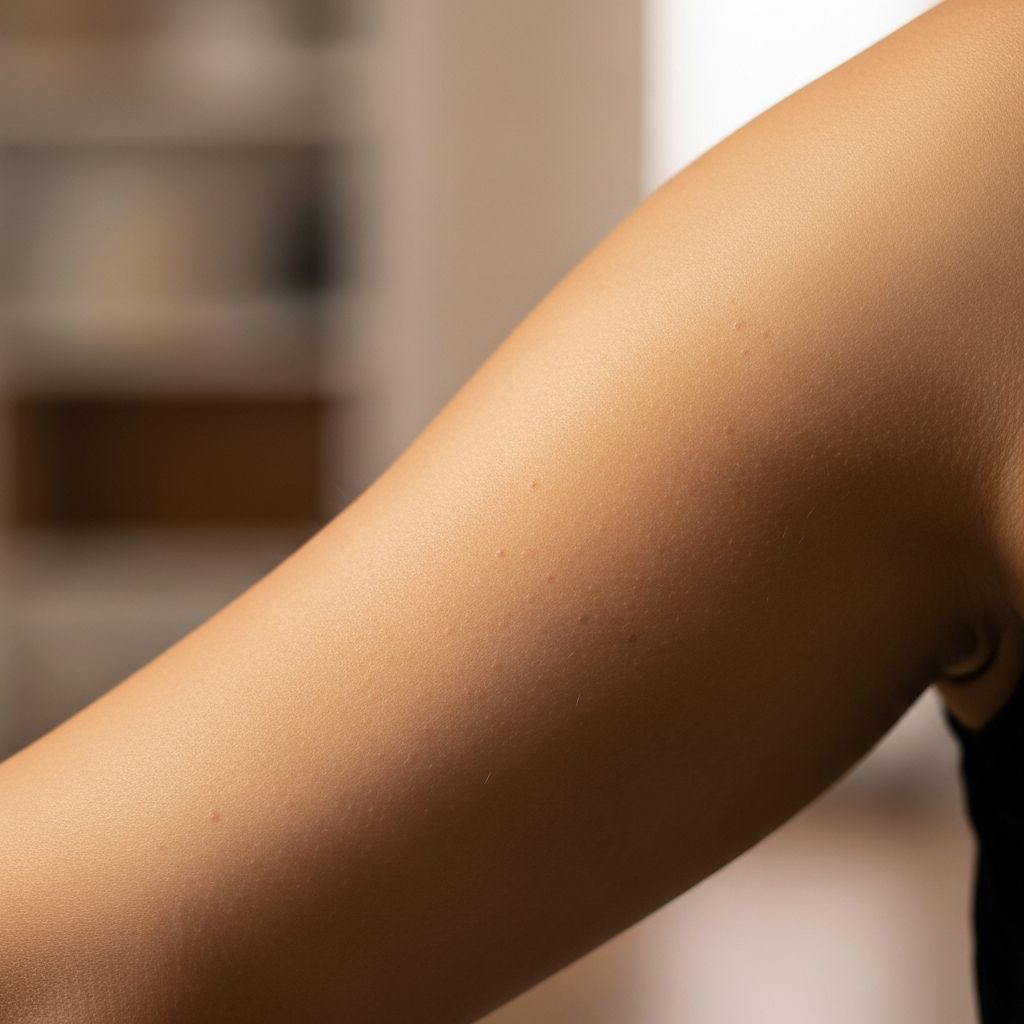
Bumps on your arms can be frustrating and may affect your confidence, especially during warmer months when arms are more exposed. The good news is that most arm bumps are harmless and treatable. Understanding the underlying cause is the first step toward finding an effective solution. This comprehensive guide explores the most common causes of arm bumps and provides evidence-based strategies for treatment and prevention.
Understanding Bumps on Arms: The Basics
Arm bumps vary widely in appearance, texture, and underlying cause. Keratosis pilaris, commonly known as chicken skin, is the most frequent culprit, accounting for a significant portion of arm bump complaints. However, numerous other conditions can cause similar symptoms, ranging from allergic reactions to inflammatory skin disorders. Arm bumps are usually harmless unless they gradually change in appearance, increase in size, or become severely symptomatic.
Because multiple conditions can produce similar-looking bumps, consulting with a dermatologist or primary care physician is essential for accurate diagnosis and appropriate treatment. Self-diagnosis based on appearance alone can lead to ineffective or inappropriate interventions.
What Is Keratosis Pilaris and Why Does It Occur?
Keratosis pilaris is a common, benign skin condition characterized by small, rough-feeling bumps that typically develop on the upper arms, though they can also appear on the buttocks, thighs, and legs. The condition resembles goosebumps or chicken skin, which is why it earned that nickname.
The Science Behind Keratosis Pilaris
Keratosis pilaris develops when dead skin cells become trapped in hair follicles, blocking them and preventing normal skin shedding. These bumps contain excess keratin, a protein naturally found in hair, skin, and nails. The buildup of dead skin cells and keratin creates the characteristic bumpy texture. The bumps typically appear as skin-colored, red, or brownish marks depending on your skin tone and may feel dry and rough.
Importantly, keratosis pilaris is usually not itchy, distinguishing it from other arm bump conditions like eczema or heat rash.
Risk Factors for Developing Keratosis Pilaris
While the exact cause remains unknown, certain factors increase your likelihood of developing this condition:
- Family history or genetic predisposition
- Generally dry skin
- Eczema or atopic dermatitis
- Ichthyosis vulgaris (a condition involving excessive dead skin cell buildup)
- Allergies and hay fever
- Asthma
- Obesity or overweight status
- Down syndrome
- Being female (the condition appears more frequently in females, though research is mixed)
- Age (commonly develops before age 2 or during teenage years)
Seasonal variations also play a role. Many people notice worsening during dry winter months and improvement during humid summer seasons, suggesting that moisture levels significantly influence the condition.
Other Causes of Arm Bumps
Itchy Bumps on Arms
When arm bumps are accompanied by itching, the underlying cause may differ from keratosis pilaris. Inflammation and skin irritation often trigger this itching sensation.
Related Stories



Eczema (Atopic Dermatitis): This inflammatory skin condition causes discolored, itchy rashes that may be raised in certain areas. Eczema often co-occurs with keratosis pilaris and dry skin conditions.
Hives (Urticaria): These discolored bumps develop from allergic reactions to foods, medications, or environmental triggers. Common allergens include peanuts, tree nuts, shellfish, eggs, NSAIDs, ACE inhibitors, penicillin antibiotics, and sulfa antibiotics. Hives often appear suddenly and may disappear within hours or days.
Folliculitis: When hair follicles become inflamed, typically from bacterial infection or irritation, multiple bumps develop across affected areas. This condition is more common in areas prone to friction or where hair removal methods like shaving or waxing are used.
Heat Rash: Excessive heat exposure causes sweat to become trapped in pores, resulting in a bumpy rash. This condition is more common in humid climates or during intense physical activity.
Psoriasis: This chronic inflammatory skin condition causes excessive skin cell growth, resulting in patches ranging from red to brown to silvery in color. Psoriasis typically requires ongoing medical management.
Sebaceous Hyperplasia: This condition causes flesh-colored or yellowish bumps when decreased cell turnover causes sebocytes to crowd within sebaceous glands. It’s more common with aging.
Non-Itchy Bumps on Arms
Besides keratosis pilaris, arm acne is another common non-itchy cause of bumps. Pimples develop when pores become clogged with dead skin cells, bacteria, dirt, or oil. While acne is typically associated with the face, it can occur anywhere on the body, including the arms.
Skin Cancer: Although rare, skin cancer can present as bumps or lesions on the arms. Any bump that changes appearance, grows larger over time, becomes painful, bleeds, or shows other concerning characteristics warrants prompt medical evaluation.
How to Treat Keratosis Pilaris at Home
Exfoliation Strategies
Regular exfoliation is the cornerstone of keratosis pilaris management. Removing dead skin cells reduces blockage in hair follicles and promotes smoother skin texture. Effective exfoliation methods include:
- Using a gentle exfoliating scrub 2-3 times weekly
- Applying exfoliating acids like salicylic acid or glycolic acid
- Using a soft-bristled brush or exfoliating mitt during bathing
- Trying chemical exfoliants rather than harsh physical scrubs to avoid irritation
It’s crucial to balance exfoliation with gentleness—over-exfoliating can irritate skin and worsen the condition.
Moisturizing Properly
Keeping skin adequately hydrated is essential for managing keratosis pilaris. The American Academy of Dermatology recommends specific moisturizing practices:
- Use thick, oil-free moisturizing creams rather than lotions
- Moisturize immediately after bathing while skin is still damp
- Apply moisturizer whenever skin feels dry
- Look for products containing glycerin, ceramides, or hyaluronic acid
- Use a humidifier if your environment is dry
Consistent moisturizing prevents the excessive dryness that exacerbates keratosis pilaris.
Bathing and Cleansing Best Practices
How you bathe and cleanse significantly impacts arm bumps. Follow these guidelines:
- Limit showers and baths to once daily
- Keep bathing sessions short
- Use warm, not hot, water (hot water strips natural oils from skin)
- Choose mild cleansers over harsh bar soaps
- Pat skin dry gently rather than rubbing vigorously
Hair Removal Considerations
Certain hair removal methods can worsen keratosis pilaris by irritating follicles. When possible, avoid shaving and waxing, which can trigger or exacerbate bumps. Gentler alternatives include electric shavers or hair removal creams, though individual tolerance varies.
Lifestyle Modifications
Beyond direct skincare, certain lifestyle changes support improvement:
- Maintain overall skin hydration by drinking adequate water
- Avoid self-tanners, which can worsen the condition
- Wear breathable fabrics to minimize friction and heat buildup
- Protect skin from extreme cold and dry air during winter months
Professional Treatment Options
When to See a Dermatologist
Professional evaluation is warranted when:
- Home care techniques don’t produce results after 4-6 weeks
- Bumps cause significant itching or discomfort
- The appearance is causing emotional distress
- Bumps change dramatically in appearance or grow rapidly
- You suspect an underlying condition other than keratosis pilaris
- Signs suggest infection, such as redness, warmth, or drainage
Medical Treatments Available
Dermatologists can prescribe or recommend several professional treatments. Topical retinoids increase cell turnover and can reduce bumps over time. Prescription-strength exfoliating acids are more potent than over-the-counter versions. Topical vitamin C and niacinamide support skin health and reduce inflammation. Laser therapy and microdermabrasion can provide more dramatic results for stubborn cases, though these typically require multiple sessions.
Diagnostic Procedures
If the cause of arm bumps isn’t immediately apparent, dermatologists may perform a skin biopsy. This minimally invasive procedure involves removing a tiny skin sample for microscopic examination. Biopsies help rule out skin cancers, fungal infections, and bacterial causes, ensuring you receive appropriate treatment.
Preventing Future Arm Bumps
While keratosis pilaris can be hereditary and difficult to prevent entirely, these strategies reduce occurrence and severity:
- Establish a consistent skincare routine with regular exfoliation and moisturizing
- Maintain adequate humidity in your environment
- Avoid irritating skincare products and fragrances
- Protect skin from extreme temperatures
- Choose gentle hair removal methods
- Stay hydrated internally and externally
- Manage underlying conditions like eczema or dry skin
Managing Itchy or Inflamed Arm Bumps
When arm bumps are accompanied by itching or inflammation from conditions like eczema, hives, or folliculitis, different approaches are needed. Anti-inflammatory topicals, antihistamines, and sometimes topical corticosteroids provide relief. Identifying and avoiding triggers—whether allergens, irritants, or environmental factors—is crucial for long-term management.
For allergic reactions, identifying the specific allergen and avoiding reexposure prevents recurrence. Food allergies may require dietary changes, while drug allergies necessitate alternative medications. Environmental allergies may improve with antihistamines or environmental controls.
Frequently Asked Questions About Arm Bumps
Q: Are bumps on arms a sign of serious illness?
A: Most arm bumps, particularly keratosis pilaris, are harmless and benign. However, if bumps change appearance, grow rapidly, bleed, or cause severe symptoms, seek medical evaluation to rule out serious conditions.
Q: Can keratosis pilaris be cured permanently?
A: Keratosis pilaris cannot be permanently cured due to its hereditary nature, but symptoms can be managed effectively through consistent exfoliation, moisturizing, and proper skincare. Many people experience seasonal improvements during humid months.
Q: How long does it take to see improvement with home treatments?
A: Most people notice gradual improvement within 2-4 weeks of consistent treatment, though complete resolution may take several months. Professional treatments may produce faster results.
Q: Are over-the-counter treatments effective for keratosis pilaris?
A: Yes, many over-the-counter products containing exfoliating acids, retinol, or specialized moisturizers effectively manage keratosis pilaris. However, results vary by individual, and some people benefit from prescription-strength products.
Q: Can diet affect keratosis pilaris?
A: While no specific diet cures keratosis pilaris, maintaining hydration and a balanced diet supporting overall skin health may help. Some people report improvement when managing related conditions like eczema through dietary adjustments.
Q: What’s the difference between keratosis pilaris and acne?
A: Keratosis pilaris bumps are typically uniform, non-inflamed, and usually appear on arms, thighs, and buttocks. Acne involves inflamed pimples and may occur anywhere, particularly the face. Keratosis pilaris bumps contain keratin buildup rather than bacteria-driven inflammation.
Q: Is keratosis pilaris contagious?
A: No, keratosis pilaris is not contagious. It’s a genetic, inherited skin condition that cannot be spread through contact.
When to Contact a Healthcare Provider
Seek immediate medical attention if arm bumps show signs of infection, such as increased warmth, redness, swelling, pus, or drainage. Contact your doctor if bumps persistently worsen despite appropriate home care, if they spread rapidly, or if they cause significant emotional distress affecting quality of life. Always consult a healthcare provider if you’re unsure about a bump’s cause or concerned about potential skin cancer.
Conclusion
Bumps on your arms are usually treatable and often improve with consistent, appropriate care. Whether your bumps result from keratosis pilaris, acne, allergies, or other conditions, understanding the underlying cause enables targeted, effective treatment. Start with gentle home remedies like regular exfoliation and moisturizing, and don’t hesitate to consult a dermatologist if bumps persist or worsen. With patience and the right approach, you can achieve smoother, clearer arm skin and renewed confidence.
References
- Bumps on the Arms: Causes, Treatment, and More — Healthline. 2024. https://www.healthline.com/health/beauty-skin-care/why-do-i-have-bumps-on-my-arms
- Keratosis Pilaris: Symptoms and Causes — Mayo Clinic. 2024. https://www.mayoclinic.org/diseases-conditions/keratosis-pilaris/symptoms-causes/syc-20351149
- Bumps on Arms: Keratosis Pilaris and Other Causes — Medical News Today. 2024. https://www.medicalnewstoday.com/articles/bumps-on-arms
- Keratosis Pilaris: What It Is, Causes, Symptoms & Treatment — Cleveland Clinic. 2024. https://my.clevelandclinic.org/health/diseases/17758-keratosis-pilaris
- Skin Bumps (Hives, Eczema): Causes, Triggers, Treatment — eMedicineHealth. 2024. https://www.emedicinehealth.com/what_allergy_causes_bumps_on_arms/article_em.htm
Similar Articles








Read full bio of Sneha Tete