How To Get Rid Of Chilblains Quickly: Fast Home Remedies
Effective strategies to treat chilblains fast, prevent recurrence, and manage symptoms for quick relief from cold-induced skin inflammation.
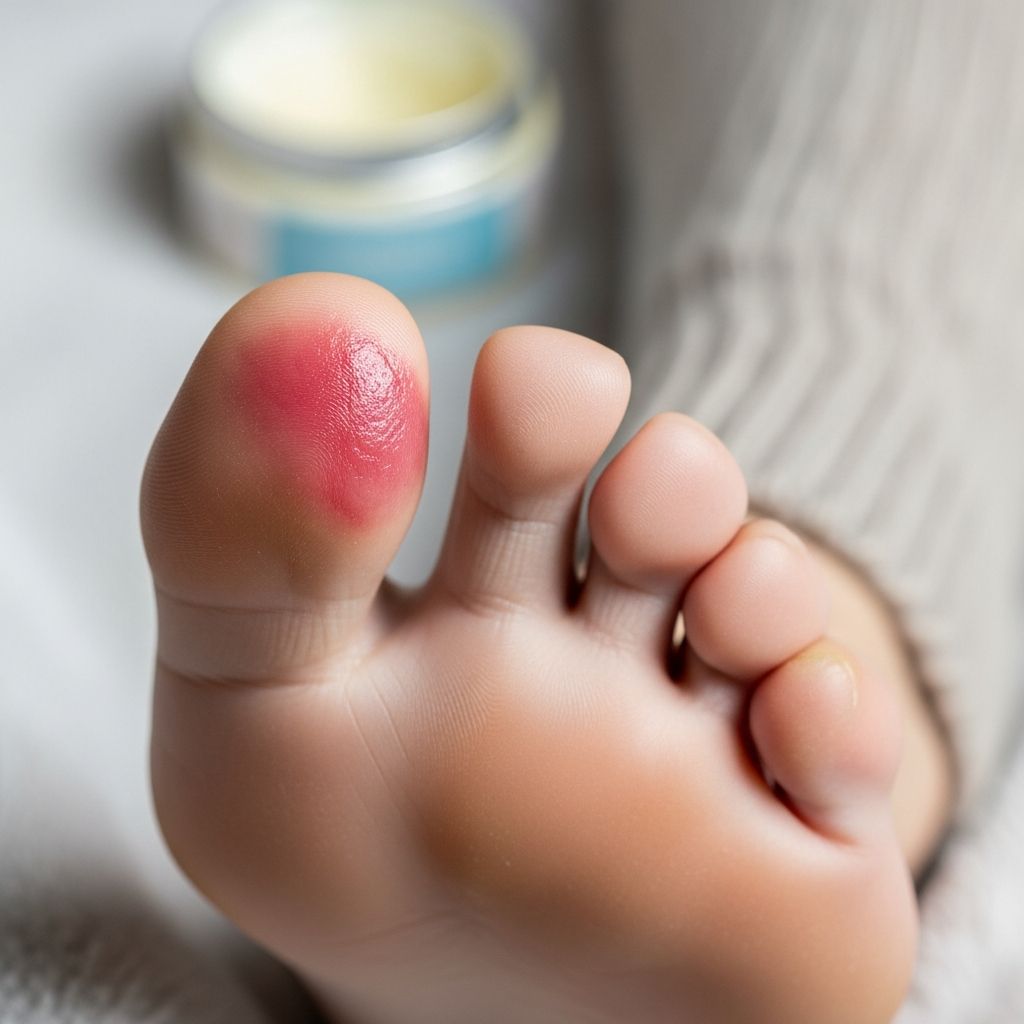
Chilblains, also known as perniosis, are inflammatory skin lesions triggered by exposure to cold, damp, non-freezing conditions, commonly affecting fingers, toes, hands, and feet with symptoms like redness, swelling, itching, and pain.
What Are Chilblains?
Chilblains manifest as itchy, swollen, painful patches or lumps on the skin, primarily on extremities such as fingers and toes, due to small blood vessels constricting excessively in response to cold. Unlike frostbite, chilblains occur in non-freezing temperatures and typically resolve within 1-3 weeks without long-term damage, though affected areas may remain sensitive to cold.
A systematic review of 477 patients confirms chilblains predominantly impact dorsal hands, fingers, feet, and toes, covering up to 12% of body skin surface, with higher prevalence in women possibly linked to clothing choices and behavioral factors.
Symptoms of Chilblains
Common symptoms include papules, nodules, itching, burning sensations, redness, blue-purple discoloration, swelling, tenderness, and blisters in severe cases. Upon rewarming, skin may feel hot, pruritic, or painful, with potential for ulceration if scratched.
- Early signs: Red or purple patches, mild itching.
- Progression: Swelling, blisters, severe pain upon warming.
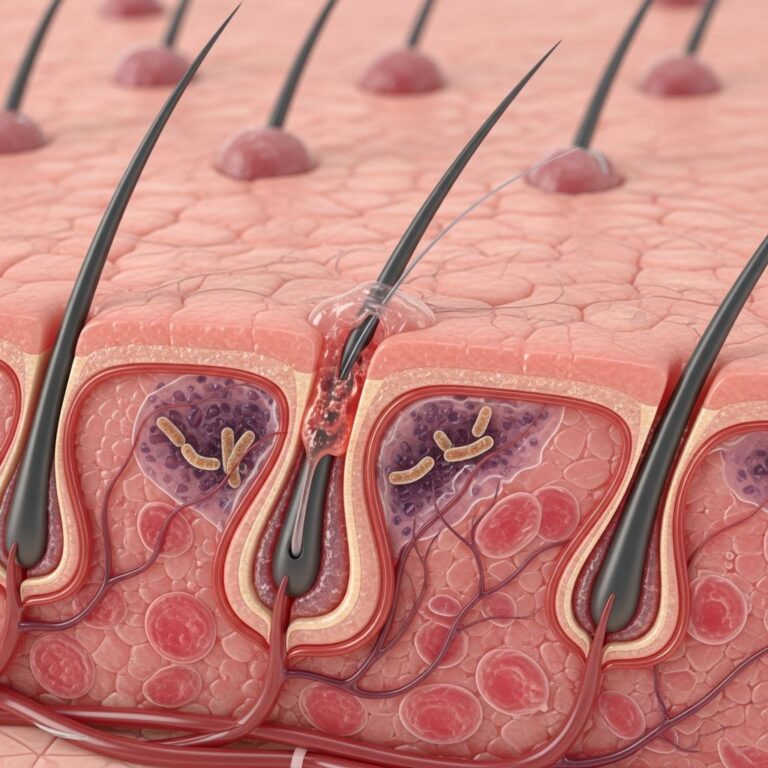
- Histopathology (from biopsies): Perivascular lymphocytic infiltrate (81%), basal epidermal vacuolation (67%), papillary dermal edema (66%).
Causes and Risk Factors
Chilblains result from an abnormal vascular response to cold and dampness, causing leakage of fluid into surrounding tissues. Patient-related factors like female gender, low body weight, and environmental exposures (damp, windy cold) contribute.
| Risk Factor | Description | Prevalence Insight |
|---|---|---|
| Female gender | Higher susceptibility | Consistent across studies |
| Cold/damp exposure | Outdoor work, poor clothing | Increases lesion extent |
| Low body weight/imbalanced diet | Nutritional deficiencies | Common risk |
| Raynaud’s, lupus, poor circulation | Underlying conditions | May mimic or trigger |
| Smoking | Impairs circulation | Exacerbates symptoms |
Idiopathic chilblains are most common; secondary forms link to connective tissue diseases.
How Are Chilblains Diagnosed?
Diagnosis relies on clinical history of cold exposure and physical exam revealing characteristic lesions. Providers assess recent cold exposure, symptom onset, and rule out mimics like frostbite or vasculitis via biopsy if needed, revealing key histopathological features.
- History: Prolonged cold/damp exposure.
- Exam: Erythematous, edematous papules/nodules.
- Tests: Rarely, biopsy or bloodwork for underlying conditions.
How to Get Rid of Chilblains Quickly: Treatment Options
Treatment focuses on symptom relief, promoting healing, and preventing infection. Most resolve spontaneously in 1-3 weeks.
Home Remedies and Self-Care
Keep affected areas warm and dry; avoid direct heat sources like hot water bottles to prevent burns on numb skin.
- Warming gradually: Use layers of clothing, gloves, thick socks.
- Moisturize: Apply lanolin or petroleum-based ointments to soothe and protect.
- Elevate limbs: Reduce swelling.
- Avoid scratching: Use calamine lotion or hydrocortisone cream for itch.
- Pain relief: Over-the-counter NSAIDs like ibuprofen.
Medical Treatments
For persistent cases, physicians may prescribe topical steroids, vasodilators (nifedipine), or calcium channel blockers to improve circulation. Severe recurrent chilblains warrant prophylactic nifedipine during cold seasons.
- Topical corticosteroids: Reduce inflammation.
- Calcium channel blockers: Prevent vessel spasm.
- Wound care: For ulcers/blisters to avoid infection.
Prevention Tips to Avoid Chilblains
Prevention is key, especially for recurrent sufferers. Dress in layers, covering extremities.
Related Stories



- Wear wind/water-resistant gloves, hats, thick socks, and layered clothing.
- Avoid sudden temperature shifts; rewarm gradually indoors.
- Maintain healthy weight, balanced diet; quit smoking.
- Moisturize skin daily; use emollients before cold exposure.
- For high-risk: Discuss prophylactic meds with doctor.
Outdoor workers face higher risk; opt for indoor alternatives or protective gear when possible.
When to See a Doctor
Seek medical attention if lesions persist >3 weeks, worsen, show signs of infection (pus, fever), or if you have underlying conditions like Raynaud’s.
- Blisters ulcerate or infect.
- Severe pain unresponsive to OTC meds.
- Recurrent episodes suggesting systemic issues.
Complications of Chilblains
Usually benign, but risks include ulcers, secondary bacterial infections from scratching, scarring, or hyperpigmentation. Rarely linked to lupus, peripheral vascular disease, or blood disorders.
Keep lesions clean; monitor for cellulitis.
Chilblains vs. Frostbite
| Aspect | Chilblains (Pernio) | Frostbite |
|---|---|---|
| Temperature | Non-freezing cold/damp | Freezing (<0°C) |
| Onset | 12-24 hrs post-exposure | During exposure |
| Severity | Mild, self-resolving | Potentially tissue loss |
| Treatment | Sympathetic warming, supportive | Rapid rewarming, medical emergency |
Frequently Asked Questions (FAQs)
What is the fastest way to get rid of chilblains?
Gently rewarm affected areas, apply moisturizers, use OTC pain relievers, and avoid irritants. Most improve in 7-14 days.
Do chilblains go away on their own?
Yes, typically within 1-3 weeks with proper care, though sensitivity may linger.
Can chilblains be permanent?
Rarely; complications like scarring occur if infected, but most heal fully.
Are chilblains contagious?
No, they are not infectious; caused by cold exposure.
Who is most at risk for chilblains?
Women, children/teens, those with poor circulation, low BMI, or frequent cold exposure.
Can diet help prevent chilblains?
Yes, balanced nutrition supports circulation; avoid deficiencies.
This comprehensive guide empowers you to manage chilblains effectively. Prioritize prevention during cold seasons for optimal skin health.
References
- Population Characteristics, Symptoms, and Risk Factors of Chilblains/Perniosis: A Systematic Review and Meta-Analysis — C. Succi et al. 2022-11-01. https://pmc.ncbi.nlm.nih.gov/articles/PMC9687160/
- What Are Chilblains? Symptoms, Causes, and Treatments — Healthgrades. 2024. https://resources.healthgrades.com/right-care/skin-hair-and-nails/chilblains
- Chilblains (perniosis) – symptoms and treatment — Healthdirect (Australian Government). 2024. https://www.healthdirect.gov.au/chilblains
- Chilblains (Pernio): What Is It, Symptoms, Causes & Treatment — Cleveland Clinic. 2024-02-20. https://my.clevelandclinic.org/health/diseases/21817-chilblains-pernio
- Chilblains (Perniosis) — Kaiser Permanente. 2024. https://healthy.kaiserpermanente.org/health-wellness/health-encyclopedia/he.chilblains-perniosis.aa53848
Similar Articles








Read full bio of Sneha Tete