How To Get Rid Of Dark Circles: Expert Treatments & Tips
Discover proven causes, treatments, and prevention strategies for dark circles under eyes from dermatologists.
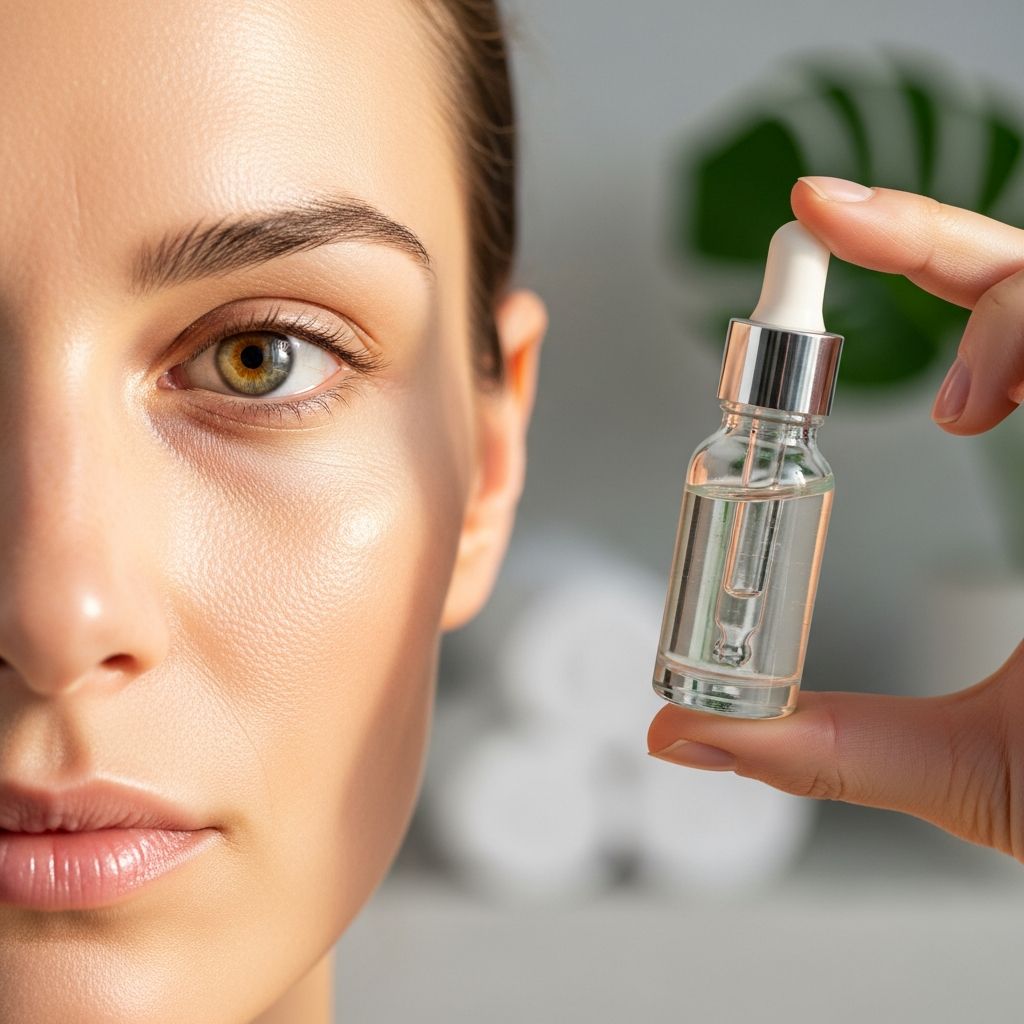
Dark circles under the eyes are a common cosmetic concern affecting people of all ages and skin types, often resulting from a combination of genetic, anatomical, lifestyle, and environmental factors. While they pose no health risk, they can make you appear tired or older. Treatment involves identifying the underlying cause—such as pigmentation, vascular issues, or shadowing from thin skin—and tailoring interventions accordingly.
What Causes Dark Circles Under Eyes?
Infraorbital dark circles arise from multiple etiologies, including deep skeletal structures, soft tissue changes, skin pigmentation, and vascular prominence. A detailed understanding of these factors is essential for effective management.
Common causes include:
- Genetics: Dark circles often run in families, with hereditary thin skin or hyperpigmentation making blood vessels more visible.
- Aging: As skin thins and loses collagen, underlying blood vessels and orbital fat pads become prominent, creating shadows.
- Hyperpigmentation: Excess melanin production, exacerbated by sun exposure or inflammation, leads to brownish discoloration, especially in darker skin tones.
- Vascular issues: Enlarged or dilated blood vessels under the thin eyelid skin cause a bluish-purple hue.
- Structural changes: Tear trough hollows, fat herniation, or loss of facial volume cast shadows.
- Lifestyle factors: Lack of sleep, allergies, dehydration, smoking, and alcohol dilate vessels or worsen puffiness.
- Medical conditions: Allergies, anemia, thyroid disorders, eczema, or medications like glaucoma drops can contribute.
Fluctuations occur due to edema or lighting, where dermal thickening enhances light reflection from pigmented areas. Risk factors amplify these: chronic rubbing from allergies breaks vessels, while UV exposure boosts melanin.
Types of Dark Circles
Dark circles are classified by appearance and cause:
- Pigmented: Brownish due to melanin overproduction, common in Fitzpatrick types III-VI.
- Vascular: Blue-purple from visible veins, linked to thin skin.
- Structural: Shadows from hollows or bags, age-related.
- Mixed: Combination, most common.
| Type | Appearance | Primary Cause |
|---|---|---|
| Pigmented | Brown/tan | Hyperpigmentation |
| Vascular | Blue/purple | Visible vessels |
| Structural | Shadowy gray | Volume loss/hollows |
| Mixed | Variable | Multiple factors |
How to Get Rid of Dark Circles: Dermatologist-Recommended Treatments
Treatment starts with pinpointing the cause via clinical evaluation, sometimes with imaging. Options range from noninvasive to surgical.
Home Remedies and Lifestyle Changes
Address reversible factors first:
- Sleep: Aim for 7-9 hours nightly to reduce vascular dilation.
- Cold compresses: Cucumbers or tea bags constrict vessels.
- Hydration and diet: Combat dehydration; iron-rich foods for anemia.
- Sun protection: SPF 30+ around eyes prevents pigmentation.
- Allergy management: Antihistamines reduce rubbing and swelling.
- Quit smoking/alcohol: Improves circulation.
Topical Treatments
Cosmeceuticals target pigmentation and thickening:
- Vitamin C: Antioxidant brightens and boosts collagen.
- Retinoids: Promote turnover, thicken skin.
- Hydroquinone/caffeine: Lightens pigment, constricts vessels.
- Peptides: Enhance firmness.
Apply gently; patch-test to avoid irritation.
Professional Treatments
For persistent cases:
- Chemical peels: TCA peels (15-35%) remove epidermal melanin; effective for Fitzpatrick I-III.
- Laser resurfacing: Ablates pigmented skin, stimulates collagen to camouflage vessels.
- Fillers: Hyaluronic acid fills hollows, reducing shadows.
- Fat transfer: Autologous fat for volume.
- Surgery: Blepharoplasty for bags or fat repositioning.
Results vary; combine modalities for best outcomes.
Prevention Tips for Dark Circles
Proactive steps minimize recurrence:
- Wear UV-protective sunglasses and sunscreen daily.
- Maintain consistent sleep and stress management.
- Avoid eye rubbing; use lubricating drops.
- Follow a nutrient-rich diet with antioxidants.
- Moisturize under-eyes to preserve barrier.
When to See a Doctor for Dark Circles
Related Stories



Consult a dermatologist if circles persist despite lifestyle changes, suddenly worsen, or accompany symptoms like itching, swelling, or fatigue—indicating allergies, thyroid issues, or anemia.
Frequently Asked Questions (FAQs)
Are dark circles permanent?
No, many improve with treatment, though genetic ones may need ongoing care.
Do dark circles mean lack of sleep?
Often, but not always; they signal multiple causes.
Can creams really get rid of dark circles?
Yes, for mild pigmentation; stronger cases need procedures.
Are dark circles related to the liver?
Rarely; one study linked 7.7% to liver issues, but evidence is limited.
What deficiency causes dark circles?
Iron deficiency anemia can, via pallor revealing vessels.
References
- Infraorbital Dark Circles: A Review of the Pathogenesis, Evaluation and Treatment — Ranu S, et al. PMC. 2016-07-01. https://pmc.ncbi.nlm.nih.gov/articles/PMC4924417/
- Dark circles under the eyes: Causes and treatments — Medical News Today. 2023-08-22. https://www.medicalnewstoday.com/articles/325989
- Why We Get Dark Circles Under Our Eyes and How to Treat Them — Discover Magazine. 2024-01-15. https://www.discovermagazine.com/why-we-get-dark-circles-under-our-eyes-and-how-to-treat-them-47025
- What Causes Dark Circles Under the Eyes? – GoodRx — GoodRx. 2025-06-10. https://www.goodrx.com/health-topic/dermatology/what-causes-dark-circles-under-the-eyes-and-how-to-treat-them
- What Causes Dark Circles Under Your Eyes? – Healthline — Healthline. 2024-11-05. https://www.healthline.com/health/dark-circle-under-eyes
- Dark circles under eyes Causes – Mayo Clinic — Mayo Clinic. 2025-12-25. https://www.mayoclinic.org/symptoms/dark-circles-under-eyes/basics/causes/sym-20050624
Similar Articles








Read full bio of Sneha Tete