Get Rid Of Diarrhea Fast: 5 Evidence-Based Remedies
Expert tips and remedies to stop diarrhea quickly, prevent dehydration, and restore gut health effectively.
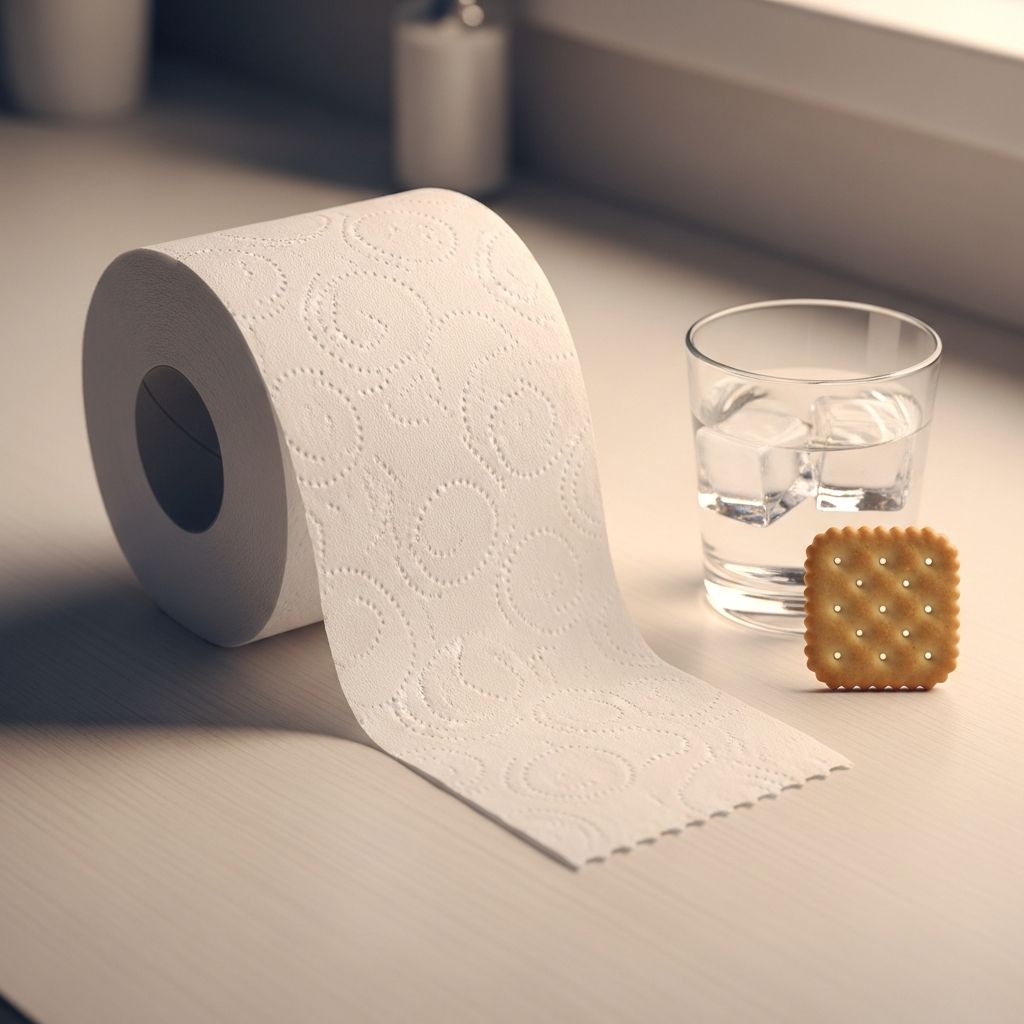
Diarrhea is one of the most common digestive complaints, affecting millions worldwide each year. Characterized by loose, watery stools occurring three or more times a day, it can strike suddenly and disrupt daily life. While often short-lived, persistent diarrhea can lead to dangerous dehydration, especially in children, older adults, and those with weakened immune systems. The good news? Most cases resolve within 1-2 days with simple at-home strategies focused on hydration, diet, and rest.
This comprehensive guide draws from medical experts and authoritative health organizations to help you stop diarrhea fast. We’ll cover immediate remedies, dietary adjustments, over-the-counter options, and red flags requiring professional care. Whether caused by food poisoning, infections, or medications, these evidence-based tips can speed recovery and prevent complications.
What Causes Diarrhea?
Understanding the root cause is key to effective treatment. Diarrhea results from the intestines failing to properly absorb water, leading to loose stools. Common triggers include:
- Infections: Viral (norovirus, rotavirus), bacterial (E. coli, Salmonella), or parasitic pathogens from contaminated food or water.
- Food intolerances: Lactose intolerance, fructose malabsorption, or sensitivity to artificial sweeteners like sorbitol.
- Medications: Antibiotics disrupt gut bacteria; magnesium-based antacids or laxatives can trigger loose stools.
- Dietary factors: Excessive caffeine, alcohol, spicy foods, or high-fat meals.
- Medical conditions: Irritable bowel syndrome (IBS), inflammatory bowel disease (IBD), celiac disease, or hyperthyroidism.
- Travelers’ diarrhea: Often from unfamiliar water or food in developing regions.
Acute diarrhea (lasting <14 days) is usually infectious and self-limiting, while chronic cases (>4 weeks) warrant medical evaluation.1
1. Stay Hydrated to Prevent Dehydration
Hydration is the #1 priority. Diarrhea flushes fluids and electrolytes (sodium, potassium) from the body rapidly. Dehydration symptoms include dry mouth, dizziness, reduced urine output, and fatigue. In severe cases, it can cause organ damage.
Best Fluids for Diarrhea Recovery
| Recommended | Avoid |
|---|---|
| Oral rehydration solutions (ORS), clear broths, diluted sports drinks, herbal teas (peppermint, ginger), water with electrolyte packets | Caffeinated drinks, alcohol, dairy milk, sugary sodas, fruit juices |
The World Health Organization recommends ORS containing glucose, sodium, potassium, and citrate for optimal absorption. Homemade version: 1 liter water + 6 tsp sugar + ½ tsp salt. Sip small amounts frequently—aim for 2-3 liters daily for adults.
2. Follow the BRAT Diet
The BRAT diet (Bananas, Rice, Applesauce, Toast) is a time-tested approach to firm up stools. These low-fiber, binding foods slow digestion and reduce bowel movements.
- Bananas: Rich in pectin, which absorbs excess water; potassium replenishes electrolytes.
- Rice: Plain white rice is gentle and starchy, promoting stool bulk.
- Applesauce: Cooked apples provide soluble fiber without irritating the gut.
- Toast: Plain white bread (no whole grains yet) adds carbs without residue.
Expand gradually to include boiled potatoes, plain crackers, and lean proteins like chicken or tofu after 24-48 hours. Avoid raw veggies, fried foods, and dairy until symptoms subside.
Related Stories



3. Use Over-the-Counter Medications Wisely
OTC options can slow diarrhea but aren’t always first-line. Consult a pharmacist if unsure.
- Loperamide (Imodium): Reduces intestinal contractions. Adults: 4mg initially, then 2mg after each loose stool (max 16mg/day). Avoid if fever or bloody stools suggest infection.
- Bismuth subsalicylate (Pepto-Bismol): Antimicrobial and antisecretory effects. Kills some bacteria and reduces inflammation.
- Probiotics: Strains like Lactobacillus rhamnosus GG or Saccharomyces boulardii restore gut flora, especially post-antibiotics. Take for 1-2 weeks.
Evidence from a 2023 meta-analysis shows probiotics shorten diarrhea duration by ~1 day in adults and children.2
4. Try Natural Home Remedies
These gentle options complement medical treatments:
- Ginger: Anti-inflammatory; brew tea from fresh root to soothe nausea.
- Chamomile tea: Calms gut spasms and reduces inflammation.
- Apple cider vinegar: 1 tbsp in water may balance gut pH (dilute to avoid enamel erosion).
- Psyllium husk: Soluble fiber absorbs water; start with 1 tsp in water.
- Rest: Lie down to conserve energy for healing.
5. When to See a Doctor
Seek immediate care if:
- Diarrhea lasts >2 days (adults) or 24 hours (children).
- Bloody/black stools, severe abdominal pain, or fever >102°F (39°C).
- Signs of dehydration: No urine for 8+ hours, rapid heartbeat, confusion.
- Recent travel, antibiotic use, or weakened immunity.
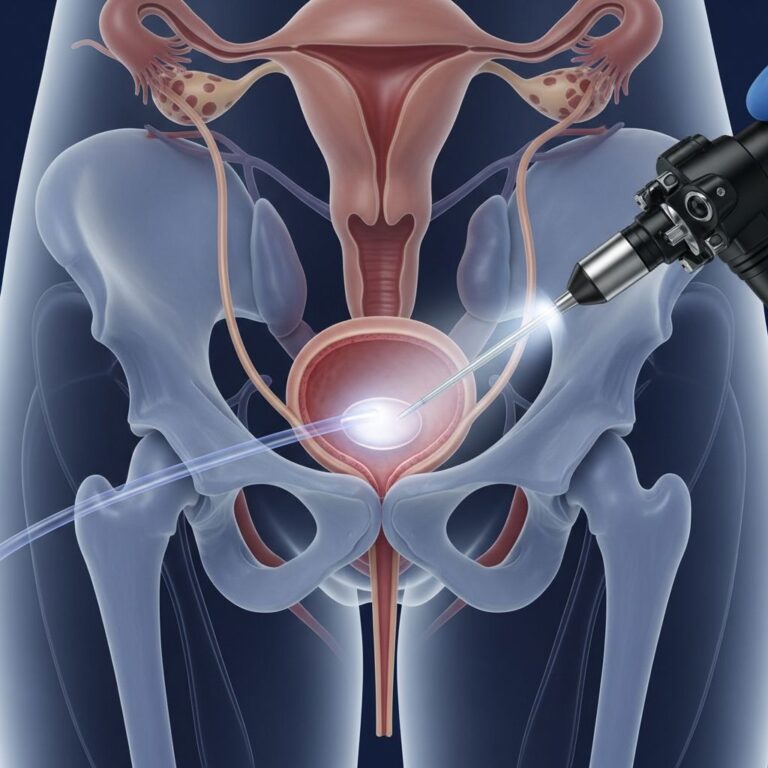
Doctors may test for pathogens, prescribe antibiotics (e.g., for bacterial causes), or investigate chronic issues via colonoscopy.3
Prevention Strategies for Diarrhea
Prevent future episodes with these habits:
- Wash hands thoroughly with soap, especially before eating.
- Cook meats to safe temperatures (165°F/74°C).
- Avoid unpasteurized dairy and raw shellfish.
- Drink bottled/boiled water when traveling.
- Get vaccinated (rotavirus for infants; cholera for high-risk travel).
- Maintain gut health with fiber-rich diet and probiotics.
Diarrhea in Special Populations
Children
Infants lose fluids faster. Use pediatric ORS; avoid anti-diarrheals under age 12 without doctor approval. Breastfeed frequently.
Pregnant Women
Dehydration risks preterm labor. Stick to safe remedies like BRAT and consult OB-GYN before meds.
Older Adults
More prone to complications. Monitor closely and seek care early.
Frequently Asked Questions (FAQs)
Can I take Imodium right away for diarrhea?
Yes, for non-infectious cases, but skip if you have fever or blood in stool—see a doctor instead.
Is yogurt good for diarrhea?
Probiotic yogurt can help after 24 hours, but avoid initially if lactose intolerant.
How long does diarrhea from food poisoning last?
Typically 1-3 days; hydrate and rest for faster recovery.
Does coffee worsen diarrhea?
Yes, caffeine stimulates the gut—switch to herbal tea.
Can stress cause diarrhea?
Absolutely; manage with deep breathing, yoga, or therapy for IBS-like symptoms.
By prioritizing hydration, bland foods, and rest, most people overcome diarrhea quickly. Persistent symptoms? Professional evaluation ensures underlying issues are addressed promptly.
References
- Diagnosis and Management of Acute Diarrhea — CDC. 2024-05-15. https://www.cdc.gov/diarrhea/index.html
- Probiotics for Acute Infectious Diarrhea: A Meta-Analysis — JAMA Pediatrics (doi:10.1001/jamapediatrics.2023.0145). 2023-06-12. https://jamanetwork.com/journals/jamapediatrics/fullarticle/2806145
- Acute Diarrhea in Adults — American College of Gastroenterology. 2024-01-10. https://gi.org/topics/diarrhea-in-adults/
- World Gastroenterology Organisation Global Guidelines: Acute Diarrhea — WGO. 2023-11-20. https://www.worldgastroenterology.org/guidelines
- Electrolyte Replacement for Diarrhea — WHO. 2022-08-05. https://www.who.int/publications/i/item/9789240051867
Similar Articles








Read full bio of Sneha Tete