How to Get Rid of Fleas: Protecting Your Home and Pets
Complete guide to eliminating fleas and protecting your pets from infestations effectively.
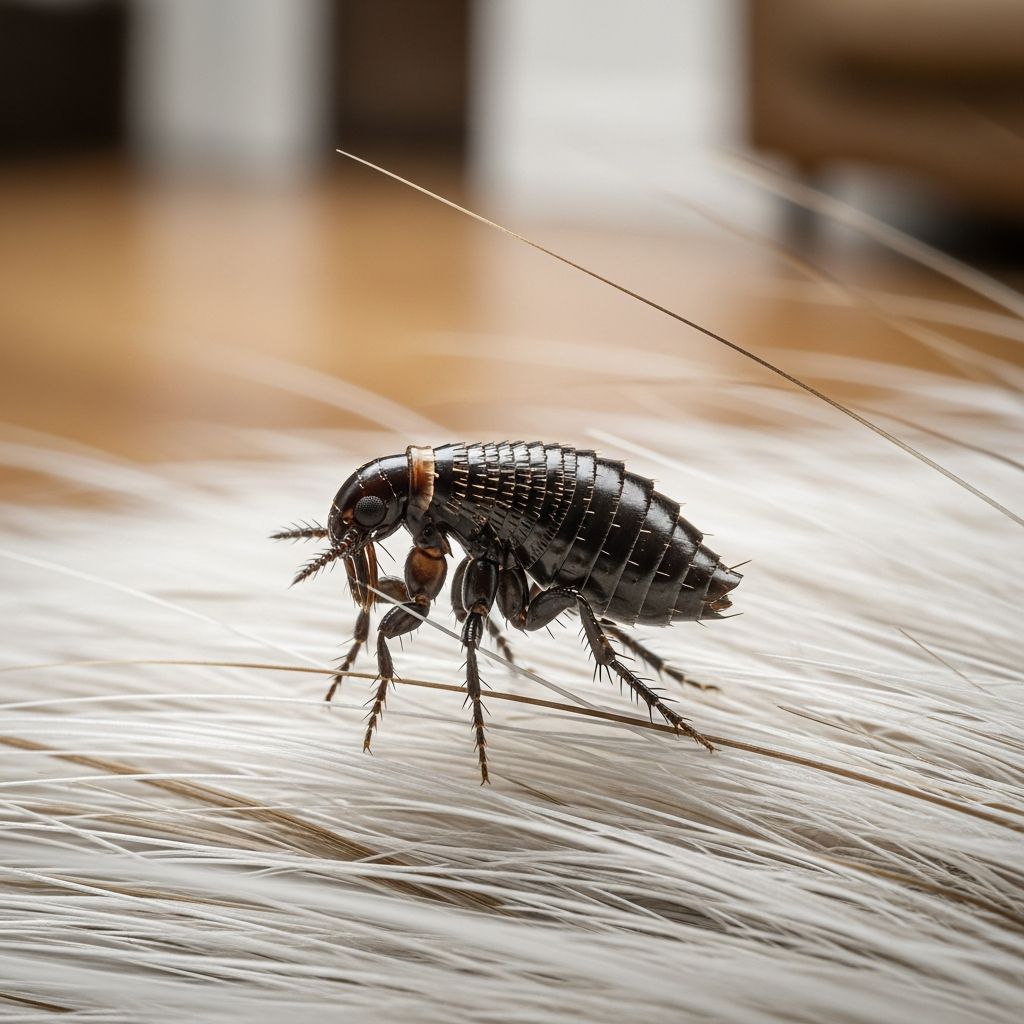
Fleas are one of the most common parasitic problems affecting pets worldwide. These tiny insects can quickly infest your home and cause significant discomfort to your pets, leading to itching, skin infections, and potentially serious health complications. Understanding how to effectively eliminate fleas and prevent future infestations is essential for maintaining the health and well-being of your pets and the cleanliness of your home. This comprehensive guide will walk you through various strategies for getting rid of fleas and implementing preventive measures.
Understanding Flea Infestations
Before tackling flea elimination, it’s important to understand how fleas operate and why they’re so persistent. Fleas reproduce rapidly, with a single female flea capable of laying hundreds of eggs daily. These eggs fall off your pet and land throughout your home, creating a cycle that’s difficult to break without comprehensive treatment. Adult fleas live on your pet’s body, feeding on blood and causing intense itching. However, the flea lifecycle includes multiple stages—eggs, larvae, pupae, and adults—and effective elimination requires targeting all of these stages.
Recognizing Signs of Flea Infestation
Identifying a flea infestation early can help you address the problem before it becomes severe. Common signs that your pet has fleas include excessive scratching, particularly around the neck, tail, and rear end; visible fleas or flea dirt (small black specks) in your pet’s fur; red or irritated skin; hair loss; and behavioral changes such as restlessness. Some pets may also develop flea allergy dermatitis, a condition where they become hypersensitive to flea saliva, causing severe itching even after just one flea bite. If you notice any of these signs, begin treatment immediately.
Treatment Options for Fleas
Topical Treatments
Topical flea treatments, commonly known as spot-on treatments, are applied directly to your pet’s skin, usually at the base of the neck where they cannot lick it off. These treatments typically contain active ingredients that kill adult fleas and may also prevent flea eggs and larvae from developing. Popular topical options include products containing fipronil, imidacloprid, or permethrin, depending on your pet’s species. Most topical treatments provide protection for one month, though some formulations last longer. It’s important to follow the manufacturer’s instructions carefully and select products appropriate for your pet’s age, weight, and species, as some ingredients can be toxic to certain animals.
Oral Medications
Oral flea preventatives come in tablet or chewable form and work by circulating through your pet’s bloodstream. When fleas bite your pet, they ingest the medication, which kills them. Some oral medications target only adult fleas, while others, known as flea growth regulators, also prevent flea eggs and larvae from developing into adults. Oral treatments offer convenience and are particularly useful for pets that may swim frequently or for those in multi-pet households where topical treatments might be transferred between animals. Common oral medications require a veterinary prescription and should be administered according to your veterinarian’s recommended schedule.
Flea Collars and Shampoos
Modern flea collars have evolved significantly from older versions and now offer various mechanisms of action. Some emit gas that repels fleas, while others release active ingredients that create a protective zone around your pet’s head and neck. Flea shampoos work by killing fleas on contact but typically provide shorter-term protection than other methods. These are often used as supplementary treatments in conjunction with longer-lasting prevention methods. While flea shampoos can be effective at providing immediate relief, they’re not typically recommended as a sole flea prevention strategy due to their limited duration of action.
Veterinary-Prescribed vs. Over-the-Counter Products
While many flea prevention products are available without a prescription, veterinarian-prescribed options often provide superior efficacy and safety profiles. Your veterinarian can assess your pet’s individual health status, age, weight, and lifestyle to recommend the most appropriate flea prevention strategy. Prescription products have undergone rigorous testing and are subject to strict FDA oversight. Over-the-counter products vary widely in quality and effectiveness, and some may contain ingredients with known safety concerns. Consulting with your veterinarian helps ensure you’re selecting a product that will effectively protect your pet while minimizing potential adverse effects.
Environmental Control Measures
Home Cleaning
Since flea eggs and larvae live in your home environment rather than on your pet’s body, thorough home cleaning is essential for complete flea elimination. Vacuum all carpeted areas, rugs, and upholstered furniture regularly, paying special attention to areas where your pet spends the most time. Use a vacuum with strong suction and dispose of the bag or canister contents immediately in a sealed bag. Wash your pet’s bedding, blankets, and any other fabric items your pet has contact with in hot water regularly. Hard floors should be swept and mopped with appropriate cleaning solutions.
Furniture and Soft Furnishings
Fleas can hide deep within furniture, making thorough cleaning crucial. Steam cleaning carpets and upholstered furniture can be particularly effective, as high temperatures kill flea eggs and larvae. If steam cleaning isn’t possible, consider using diatomaceous earth products designed for indoor use, which can be applied to carpets and left for several hours before vacuuming. Be cautious with chemical flea sprays indoors and ensure adequate ventilation if using them, or opt for safer alternatives like cedar-based products that repel fleas naturally.
Yard Treatment
Fleas can also establish themselves in your yard, particularly in shaded, moist areas where your pet frequents. Keeping grass trimmed short, removing leaf litter, and improving drainage can make your yard less hospitable to fleas. If necessary, consider professional yard treatment, though this should be approached cautiously given the environmental implications. Focus primarily on areas where your pet spends time rather than treating the entire yard indiscriminately.
Multi-Pet Household Considerations
In households with multiple pets, treating all animals simultaneously is crucial for successful flea elimination. If you treat only one pet while others remain untreated, fleas will simply migrate to the untreated animals and reinfest the treated pet. All pets should receive appropriate flea prevention, tailored to each individual’s species, age, weight, and health status. Consult with your veterinarian about coordinating treatment for all household pets to ensure consistent protection.
Flea Prevention Strategies
Year-Round Prevention
The most effective approach to dealing with fleas is prevention rather than treatment after infestation occurs. Veterinarians recommend year-round flea prevention for most pets, even in colder climates where fleas may seem less active. Fleas can survive indoors during winter months in heated homes, making continuous prevention essential. Consistent use of flea preventatives is more cost-effective than dealing with infestations and their complications.
Regular Monitoring
Even with prevention in place, regularly check your pet for signs of fleas. Run a flea comb through your pet’s coat regularly and inspect the comb closely for fleas or flea dirt. This allows you to catch any breakthrough infestations early. Pay particular attention during peak flea season (typically spring through fall) when flea populations are highest.
Environmental Awareness
Be aware of flea risk factors in your environment. If your pet spends time outdoors, is exposed to wildlife, or if you live in a warm, humid climate, maintain heightened vigilance. Pets that visit grooming facilities, dog parks, or boarding facilities are at increased risk of flea exposure and may benefit from more frequent preventative applications.
Health Complications from Fleas
Anemia
Severe flea infestations can cause anemia in pets, particularly young, elderly, or small animals. As fleas feed on your pet’s blood, significant blood loss can occur, leading to weakness, letharness, and pale gums. This condition requires immediate veterinary attention.
Tapeworms
Fleas can transmit tapeworms to pets when animals ingest infected fleas while grooming. Regular flea prevention helps prevent this parasitic infection, though your veterinarian may recommend periodic deworming in addition to flea prevention.
Flea Allergy Dermatitis
Some pets develop allergic reactions to flea saliva, causing intense itching, skin infections, and hair loss. This condition can persist even after fleas are eliminated and may require additional veterinary treatment to manage skin inflammation and secondary infections.
Choosing the Right Flea Prevention Method
The best flea prevention method depends on several factors specific to your pet and household:
–
Lifestyle:
Outdoor pets may need more frequent treatment or year-round prevention-Pet species:
Dogs and cats have different prevention options and requirements-Age and health status:
Puppies, kittens, senior pets, and those with health conditions may have limitations-Multi-pet household:
Choosing compatible products for all household animals-Budget:
Preventative costs vary, but treating infestations is typically more expensive-Convenience:
Some owners prefer monthly treatments while others prefer longer-acting optionsWhen to Consult Your Veterinarian
Contact your veterinarian if your pet develops signs of flea infestation, if prevention products don’t seem to be working effectively, if your pet has underlying health conditions, or if you’re uncertain about the best prevention strategy. Your veterinarian can perform skin scrapings or examinations to confirm flea infestations and recommend appropriate treatment. They can also prescribe prescription-strength products that may be more effective than over-the-counter options.
Frequently Asked Questions
Q: How quickly can fleas infest a home?
A: Fleas can multiply rapidly, with infestations becoming significant within just two to three weeks. A single flea female can lay hundreds of eggs daily, establishing a full infestation quickly if not addressed immediately.
Q: Can fleas transmit diseases to humans?
A: While fleas primarily affect pets, they can occasionally bite humans and transmit diseases such as plague or typhus in rare cases. Most flea infestations affect pets rather than their owners, though maintaining flea control protects human household members as well.
Q: How long does it take to eliminate a flea infestation?
A: With consistent treatment of pets and thorough environmental cleaning, most infestations can be controlled within two to three weeks. However, complete elimination may take four to six weeks to ensure all flea lifecycle stages have been eliminated.
Q: Are natural flea remedies effective?
A: While some natural products like diatomaceous earth and essential oils have repellent properties, they’re generally less effective than veterinary-prescribed treatments. Consult your veterinarian before using natural remedies, as some may be harmful to pets.
Q: Is it safe to use multiple flea treatments simultaneously?
A: Never combine different flea treatments without veterinary approval, as this can cause overdose or adverse reactions. Discuss your pet’s prevention strategy with your veterinarian to ensure safe and effective treatment.
Q: What should I do if my pet has a reaction to flea treatment?
A: If your pet experiences vomiting, diarrhea, excessive drooling, tremors, or behavioral changes after flea treatment, contact your veterinarian immediately. Bathe your pet if appropriate and provide the product information to your veterinarian for proper guidance.
Conclusion
Effectively managing fleas requires a comprehensive approach combining pet treatment, environmental control, and preventative measures. By understanding flea biology, selecting appropriate treatment options, maintaining consistent prevention, and consulting with your veterinarian, you can protect your pets and home from flea infestations. The key to success is consistency—maintaining year-round prevention is far more effective and economical than treating infestations after they occur. Regular monitoring, environmental cleanliness, and professional veterinary guidance ensure that your pets remain healthy and comfortable, free from the irritation and complications associated with flea infestations.
References
- Updated Summary on Use and Safety of Flea and Tick Preventives for Animals — Dodds WJ, Kimball JP, Department of Pathobiological Sciences, University of Wisconsin-Madison. 2021-07-07. https://www.primescholars.com/articles/updated-summary-on-use-and-safety-of-flea-and-tick-preventives-for-animals.pdf
- Flea and tick treatment satisfaction, preference, and adherence reported by cat owners in the U.S., U.K., or France who treated their cats with transdermal fluralaner — Lavan RP, Armstrong R, Newbury H, Normile D, Hubinois C. Open Veterinary Journal. 2021-09-26. https://www.openveterinaryjournal.com/index.php?mno=70389&html=1
Similar Articles








Read full bio of medha deb