How to Get Rid of Gas Pain: Relief Strategies
Discover effective remedies and prevention strategies for gas pain and bloating relief.
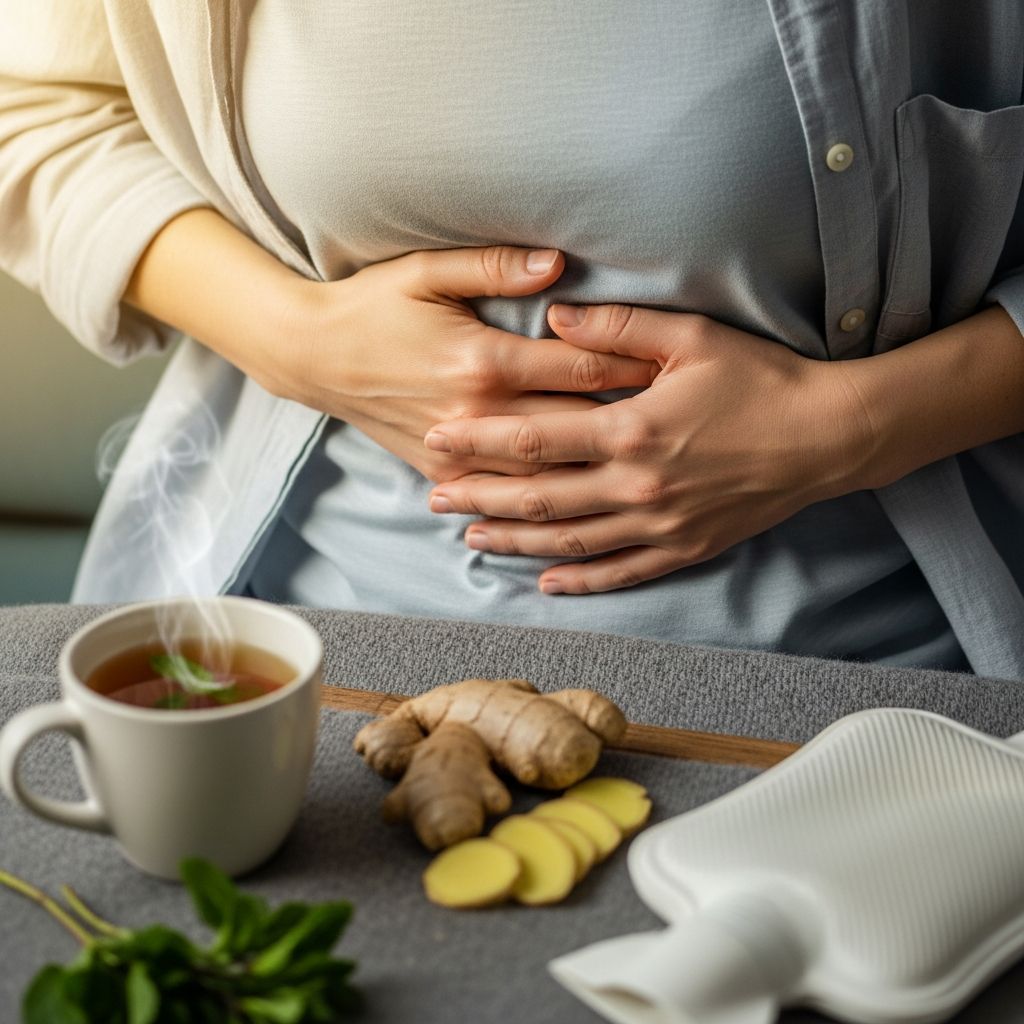
Understanding Gas Pain and Bloating
Gas pain and bloating are common digestive complaints that affect millions of people worldwide. According to Johns Hopkins Medicine, most individuals produce between 1 to 4 pints of gas daily and eliminate excess gas approximately 14 times per day through burping or flatulence. When gas becomes trapped or moves slowly through the digestive system, it creates uncomfortable symptoms that can significantly impact your quality of life. The good news is that understanding the causes and available treatments can help you manage these symptoms effectively.
Common Causes of Gas Pain and Bloating
Swallowing Air and Eating Habits
One of the primary sources of intestinal gas is swallowing air, which commonly occurs when eating or drinking rapidly. Interestingly, eating too slowly can also contribute to gas formation, as a slower digestive system allows more bacteria to grow in the gut. According to gastroenterologists at Johns Hopkins Medicine, maintaining a moderate eating pace is crucial for optimal digestion.
Bacterial Breakdown of Undigested Food
When food isn’t properly digested in the small intestine, it passes into the colon where bacteria break it down. This bacterial fermentation process produces hydrogen, carbon dioxide, and methane gases that accumulate in your digestive tract. Certain foods, particularly beans and other high-fiber vegetables, contain oligosaccharides that are especially prone to this type of bacterial breakdown.
Constipation
Constipation is a significant contributor to gas and bloating. When you strain to have a bowel movement or experience irregular bowel patterns, gas becomes trapped in your digestive system. Addressing constipation through increased fiber intake, proper hydration, and regular bowel movements can substantially reduce gas-related discomfort. Eating more high-fiber foods, drinking adequate water, and maintaining regular physical activity are essential strategies for preventing constipation-related gas.
Lactose Intolerance and Food Sensitivities
Individuals who cannot properly digest lactose experience increased gas production after consuming dairy products. Similarly, celiac disease and other digestive disorders can trigger excessive gas formation. Identifying personal food triggers through dietary observation or a temporary low-FODMAP diet can help pinpoint problematic foods specific to your digestive system.
Underlying Medical Conditions
Certain autoimmune diseases, such as scleroderma, slow down gut motility and increase gas production. People with diabetes may develop neuropathy affecting the nerves in the small bowel, which impairs normal digestion and gas movement. Irritable Bowel Syndrome (IBS) is another condition frequently associated with excessive gas and bloating, often exacerbated by stress, anxiety, depression, and past trauma.
Immediate Relief Options for Gas Pain
Over-the-Counter Gas Relievers
Simethicone, commonly marketed as Gas-X, is one of the most effective over-the-counter treatments for gas pain. This medication functions as a nonsystemic surfactant that decreases the surface tension of gas bubbles in the gastrointestinal tract. By breaking up gas bubbles, simethicone allows them to coalesce and be expelled through flatulence or belching. The FDA approved simethicone in 1952 and considers it safe and effective with minimal adverse effects. Simethicone is available in multiple forms including tablets, capsules, chewables, and liquids, often combined with antacids for additional relief.
Activated Charcoal
Activated charcoal is promoted for intestinal gas relief, though it remains non-FDA approved and should be used cautiously. While the theory suggests that activated charcoal absorbs intestinal gas, research supporting its efficacy is limited. Users should be aware of potential side effects including tongue discoloration, black stools, and constipation. Additionally, activated charcoal can interfere with the absorption of certain medications, making it important to consult a healthcare provider before use.
Related Stories



Digestive Enzymes
Digestive enzymes like α-galactosidase work by breaking down complex carbohydrates in beans and vegetables before they can ferment in the colon. This enzyme, derived from Aspergillus niger, hydrolyzes oligosaccharides into simpler components that don’t produce excessive gas. Products containing α-galactosidase should be taken immediately before, during, or after meals containing gas-producing foods.
Lactase Supplements
For individuals with lactose intolerance, lactase supplements provide an effective preventive solution. Lactase breaks down lactose into glucose and galactose, which can be properly absorbed by the body. These supplements are available as powders, liquid drops that can be added directly to dairy products, and capsules or tablets taken before consuming dairy.
Probiotic Supplements
Some patients report that probiotic supplements containing Bifidobacterium, Lactobacillus, Saccharomyces, or Streptococcus thermophilus help ease gas and bloating symptoms. Probiotics work by introducing beneficial bacteria into the digestive system. However, since probiotic bacteria leave the intestine soon after discontinuing use, daily administration is required to maintain their beneficial effects. A trial period of 14 days is generally recommended when starting a probiotic regimen.
Natural and Physical Remedies
Peppermint Oil and Tea
Peppermint tea or capsules may help relax muscles and allow gas to pass more easily through the digestive tract. Peppermint oil functions as an antispasmodic agent, working to relieve gas by relaxing the muscles in the gastrointestinal tract. Research from the Icahn School of Medicine at Mount Sinai suggests that peppermint oil is particularly beneficial for individuals dealing with IBS and other functional digestive disorders.
Movement and Stretching
Physical activity can significantly help move gas through your digestive system. Yoga offers particular benefits through poses specifically designed for gas relief. The “wind-relieving pose” is especially effective: lie on your back, pull both knees into your chest, and wrap your arms around your knees to keep them tight to your abdomen. This position gently compresses the abdomen and facilitates gas movement. Regular walking, gentle exercises, and stretching routines can also promote healthy digestion.
Addressing Constipation
Having regular bowel movements is crucial for gas relief. Increasing fiber intake through whole grains, fruits, and vegetables, combined with adequate water consumption, promotes regularity. Fiber supplements, laxatives, or stool softeners can expedite bowel movements when dietary changes alone are insufficient. However, it’s important to increase fiber gradually to avoid temporary increases in gas production.
Prevention Strategies for Long-Term Management
The most effective approach to managing gas pain is prevention. By implementing lifestyle and dietary modifications, you can significantly reduce the frequency and severity of gas-related symptoms:
– Maintain consistent bowel movements and avoid constipation through adequate fiber and water intake- Identify and avoid foods that trigger your personal gas symptoms- Avoid talking while eating to minimize swallowed air- Cut back on carbonated beverages that introduce gas into your system- Don’t overload on fiber at once; increase gradually over time- Eat at a moderate pace rather than too quickly or too slowly- Use digestive aids if you’re lactose intolerant- Consider a temporary low-FODMAP diet to identify specific food triggers
When to Seek Professional Help
While most gas pain responds well to self-care measures and over-the-counter treatments, persistent symptoms may indicate an underlying digestive condition. If simple dietary and lifestyle changes don’t provide relief within a reasonable timeframe, consult your primary care doctor. They can refer you to a gastroenterologist for comprehensive testing and diagnosis. Conditions like IBS, celiac disease, or other digestive disorders require professional evaluation and specialized treatment plans. Additionally, if gas pain is accompanied by other symptoms such as severe abdominal pain, persistent bloating, weight loss, or changes in bowel habits, seek medical attention promptly.
Frequently Asked Questions
Q: How much gas is normal?
A: According to Johns Hopkins Medicine, most people produce 1 to 4 pints of gas daily and eliminate excess gas approximately 14 times per day through burping or flatulence. This variation is completely normal and depends on individual diet and digestion patterns.
Q: Can stress cause gas pain?
A: Yes, stress, anxiety, and depression can contribute to gas and bloating, particularly in individuals with IBS. The National Institute of Diabetes and Digestive and Kidney Diseases notes that addressing mental health concerns is an important part of treatment for gas-related symptoms.
Q: How quickly do over-the-counter gas relievers work?
A: Simethicone products like Gas-X can provide relief relatively quickly after ingestion. However, if relief isn’t achieved within 24 hours, discontinue use and consult a healthcare provider to determine the underlying cause.
Q: Is peppermint oil safe for everyone?
A: Peppermint oil is generally safe for most people and is particularly effective for those with IBS. However, individuals with certain conditions or those taking specific medications should consult with a healthcare provider before use.
Q: Can diet alone prevent gas pain?
A: For many people, dietary modifications such as eating slowly, avoiding trigger foods, reducing carbonated beverages, and maintaining adequate fiber and water intake can significantly reduce gas pain. However, some individuals may require additional interventions or medical evaluation.
Q: How long should I try probiotics before evaluating their effectiveness?
A: A trial period of 14 days is generally recommended when starting a probiotic regimen to assess their effectiveness in reducing gas and bloating symptoms.
Conclusion
Gas pain and bloating, while uncomfortable, are manageable conditions with the right approach. Whether through over-the-counter medications like simethicone, natural remedies such as peppermint oil, physical activity, or dietary modifications, multiple effective strategies exist for both immediate relief and long-term prevention. The key is identifying which approaches work best for your individual digestive system. Start with simple lifestyle changes, such as eating more slowly, increasing water intake, and avoiding known trigger foods. If these measures prove insufficient, explore over-the-counter options and natural remedies. Remember that persistent or severe gas pain may indicate an underlying digestive condition requiring professional medical evaluation. By combining preventive strategies with appropriate treatments, you can significantly reduce gas-related discomfort and improve your overall digestive health and quality of life.
References
- Review article: The physiologic effects and safety of Peppermint Oil and its efficacy in irritable bowel syndrome and other functional disorders — Alimentary Pharmacology & Therapeutics. 2018. https://www.ncbi.nlm.nih.gov/pmc/articles/PMC5814329/
- Beat the Bloat and Gas — American Pharmacists Association. 2024. https://www.pharmacist.com
- How to Get Rid of Gas Pain and Bloating — HealthCentral. 2024. https://www.healthcentral.com/digestive-health/how-to-get-rid-of-gas-pain
- Digestive Diseases and Disorders — National Institute of Diabetes and Digestive and Kidney Diseases (NIDDK). 2024. https://www.niddk.nih.gov
- Gastrointestinal Health Information — Johns Hopkins Medicine. 2024. https://www.hopkinsmedicine.org
Similar Articles








Read full bio of Sneha Tete