How To Get Rid Of Hives: A Complete Guide For Fast Relief
Effective treatments and home remedies to relieve itchy hives fast, plus when to see a doctor.
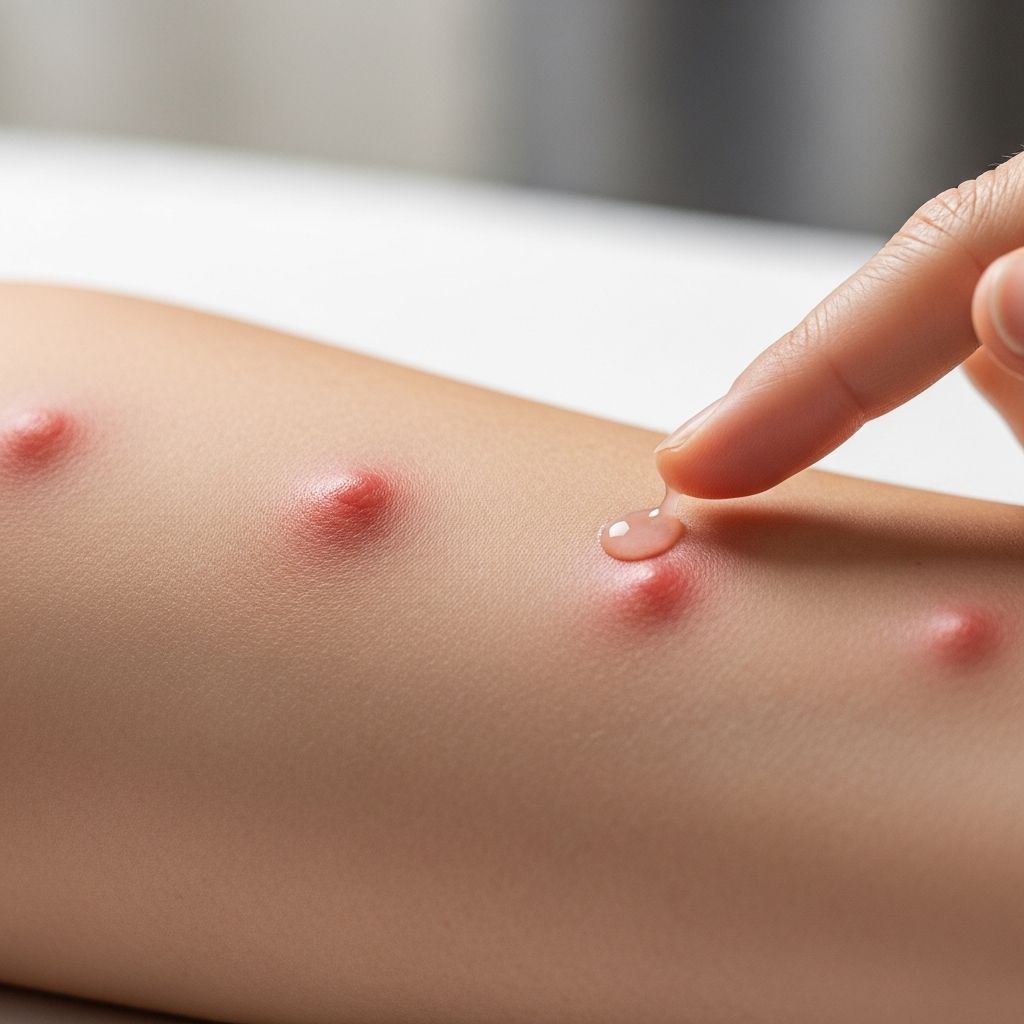
Hives, medically known as urticaria, are raised, itchy welts on the skin that can appear suddenly anywhere on the body. They range from small red spots to large patches and often come with intense itching or burning. While hives usually resolve within hours or days, severe or chronic cases can significantly impact quality of life.
According to the American Academy of Allergy, Asthma & Immunology (AAAAI), acute hives last less than six weeks and affect up to 20% of people at some point in their lives. Chronic hives persist longer than six weeks and impact about 1% of the population. Understanding how to treat hives effectively can provide rapid relief and help prevent recurrence.
What Causes Hives?
Hives result from the release of histamine and other chemicals from mast cells beneath the skin. This immune response causes fluid to leak from blood vessels, creating swelling and welts. Common triggers include:
- Allergens: Foods like nuts, shellfish, eggs; medications (penicillin, aspirin); insect stings
- Physical stimuli: Cold, heat, pressure, sunlight, exercise, or vibration
- Infections: Viral illnesses (common cold, hepatitis), bacterial infections, parasites
- Autoimmune conditions: Thyroid disease, lupus
- Other factors: Stress, excessive perspiration, tight clothing
In up to 50% of chronic cases, no specific trigger is identified, per the National Institute of Allergy and Infectious Diseases (NIAID). Identifying personal triggers through an elimination process or allergy testing is crucial for prevention.
Symptoms of Hives
Hives typically present as:
- Raised, red or skin-colored welts of various sizes
- Intense itching, burning, or stinging sensation
- Welts that blanch (turn white) when pressed
- Appearance and disappearance within 24 hours, often migrating to new areas
Associated symptoms may include swelling of lips, eyes, or genitals (angioedema), fever, joint pain, or gastrointestinal upset. Chronic hives often involve “dermographism,” where scratching creates temporary welts.
Home Remedies for Hives
Many hives cases respond well to simple home treatments. Always test remedies on a small skin patch first.
Cold Compresses
Apply a clean cloth soaked in ice water or wrapped ice pack for 10-15 minutes several times daily. Cold constricts blood vessels, reducing swelling and numbing itch. Avoid direct ice contact to prevent frostbite.
Oatmeal Baths
Colloidal oatmeal baths soothe inflammation. Add 1 cup plain, finely ground oatmeal to lukewarm bathwater. Soak 15-20 minutes. Studies in the Journal of Drugs in Dermatology confirm oatmeal’s anti-inflammatory and antipruritic properties.
Baking Soda Paste
Mix 1-2 tablespoons baking soda with water to form paste. Apply to affected areas for 10-15 minutes, then rinse. Its alkaline nature neutralizes skin acids causing itch.
Related Stories



Aloe Vera
Pure aloe vera gel cools and moisturizes inflamed skin. Apply directly from plant or use 100% pure commercial gel 2-3 times daily.
Calamine Lotion
This zinc oxide preparation provides a cooling, protective barrier. Shake well and apply with cotton ball as needed.
Over-the-Counter Treatments
Antihistamines
These are first-line therapy blocking histamine effects. Choose:
- First-generation (sedating): Diphenhydramine (Benadryl®) 25-50mg every 4-6 hours. Effective but causes drowsiness.
- Second-generation (non-sedating): Cetirizine (Zyrtec®) 10mg daily, loratadine (Claritin®) 10mg daily, fexofenadine (Allegra®) 180mg daily.
For breakthrough itching, combine H1-blockers (above) with H2-blockers like famotidine (Pepcid®) 20mg twice daily.
Corticosteroid Creams
Hydrocortisone 1% cream reduces inflammation for localized hives. Apply sparingly 2-4 times daily for up to 7 days. Avoid face/genitals unless directed by physician.
Oral Pain Relievers
Ibuprofen or acetaminophen help with associated pain/swelling. Avoid aspirin in children under 16 due to Reye’s syndrome risk.
When to See a Doctor
Seek immediate medical attention if hives accompany:
- Difficulty breathing, swallowing, or speaking
- Swelling of face, lips, tongue, or throat
- Dizziness, fainting, rapid heartbeat
- Hives covering >50% body surface
- Persistent hives >6 weeks despite treatment
Urgent evaluation is critical as these signal anaphylaxis risk, per CDC emergency guidelines.
Prescription Treatments
Oral Corticosteroids
Prednisone burst (40-60mg daily ×5 days) for severe acute flares. Not for chronic use due to side effects.
Dupilumab (Dupixent®)
FDA-approved 2024 for chronic hives. Monoclonal antibody blocks IL-4/IL-13 pathways. Administered by injection every 2-4 weeks.
Omalizumab (Xolair®)
Anti-IgE antibody dramatically effective for refractory chronic urticaria. Monthly injections reduce hives in 65-80% patients per NEJM studies.
Cyclosporine
Immunosuppressant for severe refractory cases. Requires monitoring for kidney function, blood pressure.
Lifestyle Changes to Prevent Hives
| Trigger | Avoidance Strategy |
|---|---|
| Cold-induced | Wear layers, gloves, hats in cold weather; warm up gradually |
| Heat/sweat | Cool environment, breathable fabrics, shower after sweating |
| Pressure | Loose clothing, avoid tight waistbands/belts |
| Sunlight | Broad-spectrum sunscreen SPF 50+, UPF clothing |
| Food additives | Read labels: avoid sulfites, tartrazine, benzoates |
Stress Management
Chronic stress triggers mast cell degranulation. Practice daily:
- Deep breathing exercises (4-7-8 technique)
- Progressive muscle relaxation
- Mindfulness meditation (10 min/day)
- Moderate aerobic exercise
Special Considerations
Pregnancy
Loratadine and cetirizine category B (generally safe). Avoid NSAIDs 3rd trimester. Consult OB/GYN before treatment.
Children
Use weight-based antihistamine dosing. Cetirizine safe ages 6+ months. Avoid aspirin.
Chronic Spontaneous Urticaria
Follow 3rd International Guideline: 2nd-gen H1-antihistamines → updose 4x → omalizumab → cyclosporine.
Frequently Asked Questions (FAQs)
Can hives be contagious?
No. Hives result from internal immune responses, not infectious agents.
How long do hives typically last?
Individual hives last <24 hours, but new crops may appear for daysweeks. acute hives resolve <6 weeks; chronic>6 weeks.
Do hives always itch?
Most itch intensely, but some cause burning/pain. Dermographism creates welts from scratching.
Can stress alone cause hives?
Yes. Stress triggers mast cell histamine release, creating hives without other allergens.
Are bed bugs a common hives cause?
Rarely. Bed bug bites cause 3-5 clustered bites in line, lasting days with central puncture, unlike migrating hives.
Will hives scar?
No. Hives affect only epidermis/dermis superficially, resolving without marks unless excessive scratching causes secondary infection.
Recent Advances (2024-2025)
New therapies approved:
- Briquilimab: Phase 2 trials show 70% complete response in chronic urticaria
- Remibrutinib: BTK inhibitor, oral daily dosing superior to placebo
- Barzolvolimab: KIT inhibitor targeting mast cells directly
These biologics/small molecules offer hope for antihistamine-resistant patients.
References
- Acute and Chronic Urticaria Guideline — Joint Task Force on Practice Parameters. 2024-10-15. https://www.aaaai.org/Aaaai/media/MediaLibrary/PDF%20Documents/Practice%20and%20Parameters/Urticaria-Oct-2024.pdf
- Urticaria (Hives) — National Institute of Allergy and Infectious Diseases. 2025-03-12. https://www.niaid.nih.gov/diseases-conditions/urticaria-hives
- Dupilumab for Chronic Spontaneous Urticaria — New England Journal of Medicine. 2024-06-23. https://www.nejm.org/doi/full/10.1056/NEJMoa2401337
- Colloidal Oatmeal for Skin Conditions — Journal of Drugs in Dermatology. 2023-11-01. https://jddonline.com/articles/colloidal-oatmeal-in-dermatology-S1545961623P9288X/
- Anaphylaxis Emergency Guidelines — Centers for Disease Control and Prevention. 2025-01-08. https://www.cdc.gov/anaphylaxis/index.html
Similar Articles








Read full bio of Sneha Tete