How to Get Rid of HS Scars
Effective treatments and prevention strategies for managing and fading hypertrophic scars from hidradenitis suppurativa.
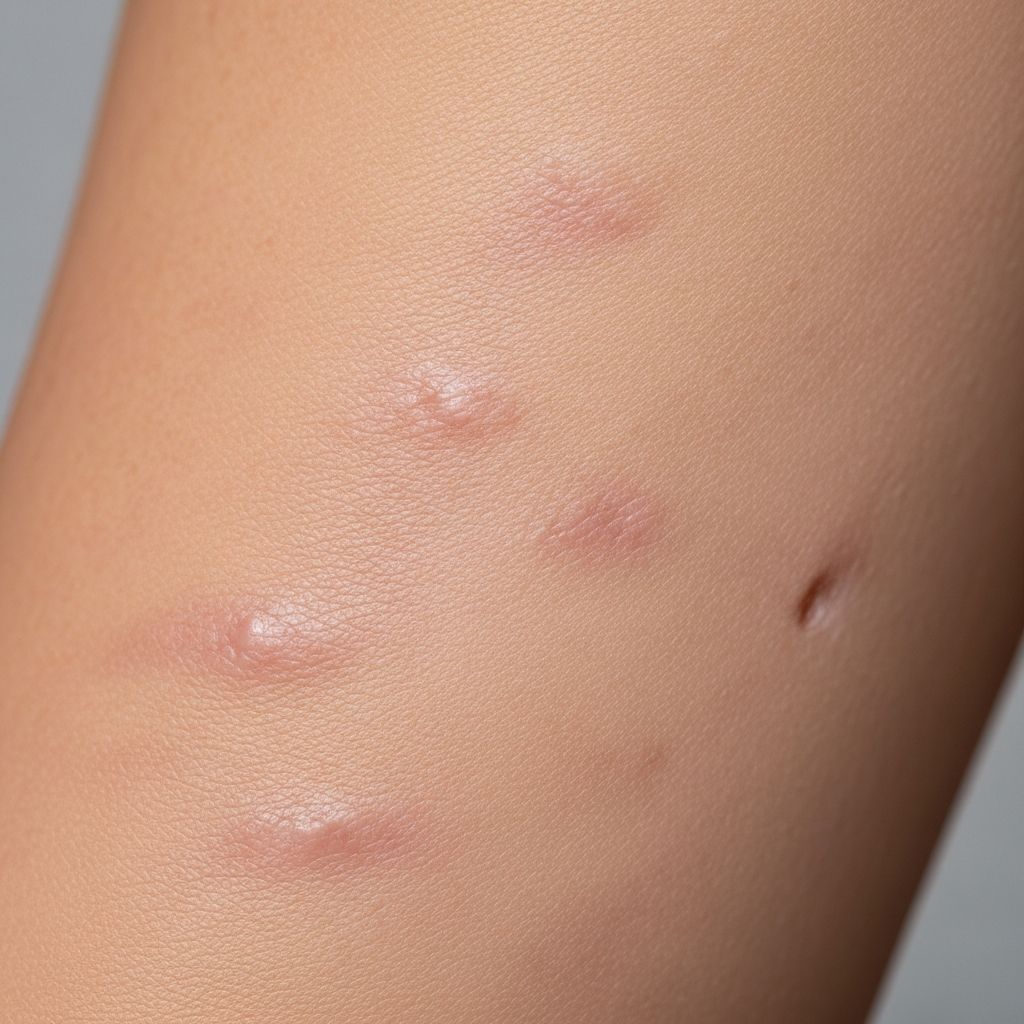
Hidradenitis suppurativa (HS) often leaves behind hypertrophic scars—thick, raised areas of skin that result from excessive collagen production during healing. These scars can cause discomfort, itching, and self-consciousness, but various treatments can flatten, soften, and fade them over time.
Treatment effectiveness depends on scar age, size, location, and individual healing response. Early intervention yields better results, as newly formed scars respond more readily to therapies like lasers. Dermatologists typically recommend a combination approach tailored to the patient.
What Are HS Scars?
HS scars primarily manifest as
hypertrophic scars
, which are elevated, red-to-purple, and firm due to an overactive healing response confined to the original wound site. Unlike keloids, which spread beyond the injury, hypertrophic scars stay within bounds but can still itch, hurt, or restrict movement.In HS, these scars form after recurrent boils, abscesses, and tunnels in skin folds like armpits, groin, and under breasts. Factors like skin tension, infection, and genetics increase risk. Scars may mature over 6-18 months, gradually flattening naturally, but many require intervention.
- Appearance: Red, raised, shiny; may darken or lighten over time.
- Symptoms: Itching, pain, tightness.
- Common HS sites: Axillae, inframammary folds, groin, buttocks.
Medical Treatments for HS Scars
Professional treatments target scar tissue reduction through medication, physical destruction, or remodeling. Providers often wait 6-12 months post-healing to assess if scars improve spontaneously.
Corticosteroid Injections
**Intralesional corticosteroids**, like triamcinolone acetonide (TAC), are first-line for hypertrophic scars. Injected every 4-6 weeks, they reduce inflammation, collagen synthesis, and scar volume by up to 50-80% after 3-6 sessions.
Combining TAC with 5-fluorouracil (5-FU) enhances results, suppressing cell proliferation and inducing apoptosis in fibroblasts. Side effects include skin atrophy or hypopigmentation, limiting sessions to 4-6. Cleveland Clinic notes this as highly effective for raised HS scars.
Laser Therapy
Laser treatments excel for color, texture, and height improvement, especially in early scars.
Pulsed dye laser (PDL)
targets redness by coagulating blood vessels, whilefractional CO2 lasers
ablate tissue to promote collagen remodeling.Studies show 3-5 sessions reduce scar thickness by 30-70%, erythema, and itch. For HS burn-like scars, early PDL prevents progression. Sessions every 4-6 weeks; downtime includes redness and swelling.
Cryotherapy
Freezing scar tissue with liquid nitrogen destroys fibroblasts, flattening elevations. Effective alone or pre-injection, with small studies reporting 50-80% improvement after 3-4 cycles. Best for small scars; risks include blistering or hypopigmentation.
Surgery and Other Procedures
For persistent scars, surgical excision after 1 year allows re-closure with reduced tension. Radiation or pressure therapy follows to prevent recurrence. Emerging options like needling or botox relax tension in taut areas.
| Treatment | Effectiveness | Sessions Needed | Side Effects |
|---|---|---|---|
| Corticosteroid Injections | High (flatten/soften) | 3-6 | Atrophy, pain |
| Laser (PDL/CO2) | High (color/texture) | 3-5 | Redness, swelling |
| Cryotherapy | Moderate | 3-4 | Blisters, pigment loss |
| Surgery | Variable | 1+ | Recurrence risk |
At-Home and Over-the-Counter Treatments
Noninvasive options support professional care or manage mild scars. Consistency is key, often requiring 2-3 months.
Silicone Sheets or Gels
**Silicone products** are first-line OTC treatments, hydrating skin, regulating collagen, and reducing itch/pain. Apply sheets 12-24 hours daily or gels 2-3 times/day for 2-3 months; meta-analyses confirm improved height, pliability, and pigmentation.
Ideal post-HS healing; safe for sensitive areas.
Massage and Pressure
Daily massage with lotion breaks down collagen fibers, improving circulation. Combine with compression garments (20-40 mmHg) for 6-12 months, especially post-surgery or burns—reduces volume by 50% in studies.
Topical Onion Extract and Others
Onion extract gels (e.g., Mederma) soften scars via anti-inflammatory effects; evidence is moderate. Moisturizers, vitamin E, or honey prevent dryness but lack strong data. Avoid unproven remedies like lemon juice, which irritate HS-prone skin.
- Massage: 5-10 min twice daily with petroleum jelly.
- Silicone: Continuous use; wash/reuse sheets.
- Moisturize: Keep scars hydrated to minimize cracking.
Preventing HS Scars
Proactive wound care during HS flares minimizes scarring. HS management (weight loss, biologics like adalimumab) reduces lesion severity, indirectly preventing scars.
Key strategies:
- Clean wounds daily with mild soap; avoid picking/drainage without guidance.
- Moist healing: Petroleum jelly or dressings prevent scabs.
- Early silicone: Start post-closure.
- Cool burns/compresses; consider tea tree oil (limited evidence).
- UV protection: Sunscreen prevents darkening.
- Compression post-surgery.
For high-risk patients (dark skin, family history), preempt with corticosteroids. Nutrition (vitamin C, zinc) aids collagen balance.
When to See a Dermatologist
Consult if scars widen, thicken, or cause functional issues. Early evaluation (4-8 weeks post-HS flare) allows timely intervention. Seek care for signs of infection or keloid progression.
Dermatologists assess via POSAS scoring and customize plans. Insurance often covers lasers/injections for symptomatic scars.
Frequently Asked Questions (FAQs)
Can HS scars go away completely?
No, but treatments can fade them significantly—up to 70-90% improvement in appearance and symptoms.
How long do HS scars take to fade?
Maturation: 6-18 months naturally; treatments accelerate to 3-6 months.
Are silicone sheets effective for old HS scars?
Better for new scars, but consistent use helps mature ones via hydration.
Does laser therapy hurt?
Mild discomfort like snapping; topical numbing used.
Can diet prevent HS scarring?
Anti-inflammatory diets may reduce HS flares, limiting new scars.
References
- Hypertrophic Scar: Treatment, Causes, Image, and More — Healthline. 2023. https://www.healthline.com/health/hypertrophic-scar-treatment
- Hypertrophic Scar: What Is It, Causes, Treatment — Cleveland Clinic. 2023-10-24. https://my.clevelandclinic.org/health/diseases/21466-hypertrophic-scar
- Current Therapeutic Approach to Hypertrophic Scars — Frontiers in Medicine. 2017-05-30. https://www.frontiersin.org/journals/medicine/articles/10.3389/fmed.2017.00083/full
- Evidence‐based therapy in hypertrophic scars: An update — NIH PMC. 2020. https://pmc.ncbi.nlm.nih.gov/articles/PMC7539946/
- Management of Keloid and Hypertrophic Scars — NIH PMC. 2011. https://pmc.ncbi.nlm.nih.gov/articles/PMC3187998/
- Strategies to prevent hypertrophic scar formation — Oxford Academic Burns & Trauma. 2020-01-14. https://academic.oup.com/burnstrauma/article/doi/10.1093/burnst/tkz003/5706922
- How can home remedies get rid of my old scar? — Medical News Today. 2023. https://www.medicalnewstoday.com/articles/319654
Similar Articles






Read full bio of Sneha Tete