How To Get Rid Of HS Scars: Effective Treatments And Prevention
Effective treatments and strategies to fade and manage hypertrophic scars from hidradenitis suppurativa for smoother skin.
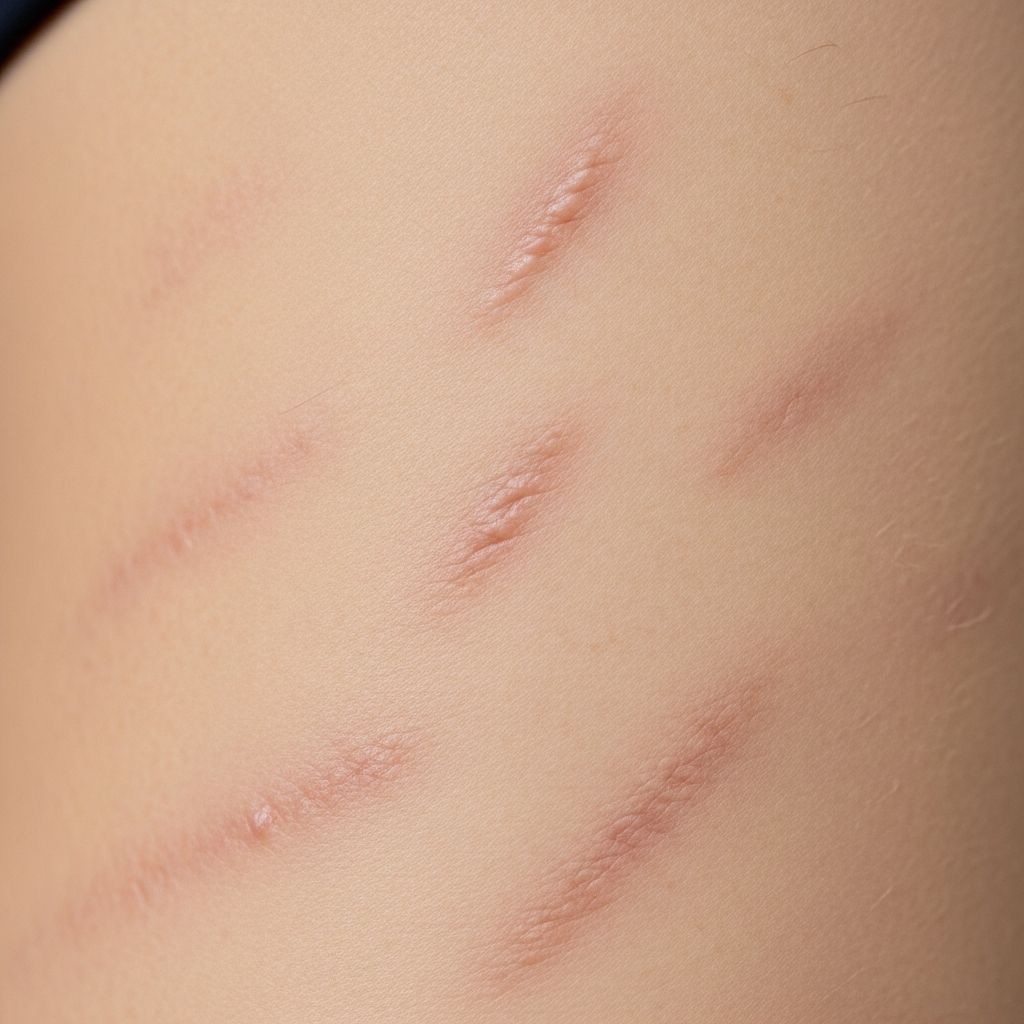
Hidradenitis suppurativa (HS) often leaves behind hypertrophic scars—raised, thick areas of skin that result from the body’s abnormal wound healing response to chronic inflammation, boils, and tunnels. These scars can cause discomfort, itching, and self-consciousness, but various treatments can flatten, soften, and lighten them over time.
Treatment success depends on scar age, size, location, and individual healing factors. Many scars improve naturally within 1-2 years, but early intervention enhances outcomes. Consult a dermatologist for personalized plans, as HS scars may require combined approaches.
What Are HS Scars?
HS scars are typically
hypertrophic scars
, which are elevated, red-to-purple, and confined to the original wound site, unlike keloids that spread beyond. They form due to excess collagen production during healing from HS lesions in areas like armpits, groin, and underbreasts.Common in taut skin under tension, these scars itch, pain, or restrict movement. Burns or deep HS wounds increase risk. Unlike atrophic (pitted) scars from acne, hypertrophic ones are treatable with targeted therapies.
- **Appearance**: Red, firm, raised; may fade to white over time.
- **Causes**: HS inflammation, infection, poor wound care.
- **Duration**: Peak at 6 months; mature by 1-2 years.
Medical Treatments for HS Scars
Dermatologists recommend professional interventions for stubborn HS scars, often starting with noninvasive options before surgery.
Corticosteroid Injections
**First-line treatment**: Injections of triamcinolone acetonide (TAC) every 4-6 weeks flatten scars by reducing inflammation, collagen synthesis, and fibroblast activity. Combine with 5-fluorouracil (5-FU) for better results on resistant scars.
Up to 80% improvement in height and pliability; side effects include skin atrophy (rare with proper dosing). Sessions limited to avoid weakening surrounding tissue.
Laser Therapy
Pulsed-dye lasers (PDL) or fractional CO2 lasers target redness, thickness, and texture. Most effective on new scars (<1 year); multiple sessions (3-6) reduce height by 50-75%, itch, and pigmentation.
CO2 laser studies show significant decreases in scar thickness and erythema after 3 sessions at 30W. Ideal for HS burn-like scars; improves elasticity.
Cryotherapy
Liquid nitrogen freezes scar tissue, destroying excess cells to flatten it. Often combined with steroids; safe for small scars with 50-70% success in studies.
Tolerated well but may cause hypopigmentation in darker skin.
Surgery
For mature scars (>1 year), excision removes tissue, followed by closure or grafting. Addresses tension/infection causes; recurrence risk if HS active. Skin grafts effective for extensive post-burn HS scars.
Other Options
- 5-FU Injections: Antifibrotic; boosts TAC efficacy.
- Radiation: Rare, for keloid-like HS scars.
- Microneedling/Radiofrequency: Stimulates collagen remodeling.
| Treatment | Effectiveness | Sessions Needed | Side Effects |
|---|---|---|---|
| Corticosteroid Injections | High (first-line) | 3-6 | Atrophy, pain |
| Laser (PDL/CO2) | High for new scars | 3-6 | Redness, swelling |
| Cryotherapy | Moderate | 1-4 | Blistering, pigment loss |
| Surgery | High for mature | 1 | Recurrence, infection |
At-Home and Over-the-Counter Treatments
Noninvasive options complement medical care; start post-healing (2-4 weeks).
Silicone Products
**Gold standard OTC**: Sheets, gels, or sprays hydrate, apply occlusion, and regulate collagen. Wear sheets 12-24 hours/day for 2-3 months; gels 2x daily. Reviews confirm reduced height, itch, and pigmentation after 6 months.
Related Stories



Low-risk; first-line prevention post-surgery.
Pressure Therapy and Massage
Compression garments/bandages (20-40 mmHg) for 6-12 months weaken scar tissue, especially on limbs/joints. Daily 10-15 min massage with lotion improves blood flow and pliability.
Topical Onion Extract
Contractubex gel reduces redness; evidence mixed but safe.
Moisturizers and Sun Protection
Petroleum jelly keeps wounds moist to minimize scarring. Daily SPF 30+ prevents hyperpigmentation. Tea tree oil on burns may aid healing (limited data).
- Apply silicone early.
- Massage gently.
- Moisturize twice daily.
Preventing HS Scars
Proactive care during active HS reduces scarring risk.
- Clean wounds daily with mild soap; use dressings to avoid infection.
- Moist healing environment with petroleum jelly.
- Early silicone/pressure post-lesion.
- Cool burns immediately; manage HS inflammation with meds.
- Nutrition: Vitamins A, C, zinc for collagen health.
Reevaluate scars 4-8 weeks post-injury; combine therapies for best prevention.
When to See a Doctor
Seek care if scars widen, thicken, or cause pain/functional issues. Urgent for signs of infection (pus, fever). Dermatologists assess via POSAS score and tailor plans. HS specialists coordinate with biologics to prevent new lesions.
FAQs
Can HS scars go away completely?
Complete erasure is unlikely, but treatments fade them 50-90%; mature scars respond best.
How long do HS scars take to fade?
6-24 months naturally; faster (3-6 months) with therapy.
Are silicone sheets effective for old HS scars?
Moderately; better on new ones, but consistent use helps.
Does laser hurt for HS scars?
Mild discomfort; topical numbing used.
Can diet prevent HS scarring?
Anti-inflammatory diets (omega-3s, antioxidants) support healing; evidence emerging.
References
- Hypertrophic Scar: Treatment, Causes, Image, and More — Healthline. 2023-05-15. https://www.healthline.com/health/hypertrophic-scar-treatment
- Hypertrophic Scar: What Is It, Causes, Treatment — Cleveland Clinic. 2024-02-20. https://my.clevelandclinic.org/health/diseases/21466-hypertrophic-scar
- Current Therapeutic Approach to Hypertrophic Scars — Frontiers in Medicine. 2017-05-30. https://www.frontiersin.org/journals/medicine/articles/10.3389/fmed.2017.00083/full
- Evidence‐based therapy in hypertrophic scars: An update — NIH/PMC. 2020-10-01. https://pmc.ncbi.nlm.nih.gov/articles/PMC7539946/
- How can home remedies get rid of my old scar? — Medical News Today. 2023-08-10. https://www.medicalnewstoday.com/articles/319654
- Management of Keloids and Hypertrophic Scars — AAFP. 2009-08-01. https://www.aafp.org/pubs/afp/issues/2009/0801/p253.html
Similar Articles








Read full bio of Sneha Tete