How to Get Rid of Muscle Cramps in Your Legs
Discover effective strategies to relieve and prevent muscle cramps in your legs, from stretching to lifestyle changes.
Understanding Muscle Cramps in the Legs
Muscle cramps are sudden, involuntary contractions or spasms that can occur in any muscle, but they are most common in the legs. These cramps can be painful and may last from a few seconds to several minutes. They often happen after exercise, during the night, or as a result of dehydration or electrolyte imbalances. While most muscle cramps are harmless and resolve on their own, frequent or severe cramps may indicate an underlying health issue.
Common Causes of Leg Muscle Cramps
Several factors can contribute to the development of muscle cramps in the legs:
- Overuse or Strain: Exercising intensely or for prolonged periods can lead to muscle fatigue and cramping.
- Dehydration: Not drinking enough fluids, especially during hot weather or intense physical activity, can trigger cramps.
- Electrolyte Imbalance: Low levels of essential minerals like potassium, calcium, and magnesium can increase the risk of cramps.
- Poor Circulation: Reduced blood flow to the muscles, often due to sitting or standing in one position for too long, can cause cramping.
- Medications: Certain drugs, such as diuretics, statins, and asthma medications, may cause muscle cramps as a side effect.
- Medical Conditions: Conditions like diabetes, thyroid disorders, and nerve compression can also lead to muscle cramps.
Who Is at Risk for Muscle Cramps?
While anyone can experience muscle cramps, certain groups are more susceptible:
- Older Adults: As we age, muscle mass decreases and the risk of cramps increases.
- Athletes: Those who engage in intense physical activity are more likely to experience cramps.
- Pregnant Women: Hormonal changes and increased weight can contribute to leg cramps during pregnancy.
- People with Medical Conditions: Individuals with diabetes, thyroid disorders, or nerve issues are at higher risk.
When to See a Doctor
Muscle cramps are usually not a cause for concern, but you should seek medical attention if:
- The cramps are severe or frequent.
- They do not improve with stretching and hydration.
- They last for an extended period.
- They are accompanied by swelling, redness, or warmth.
- They are associated with muscle weakness or other symptoms.
Effective Treatments for Muscle Cramps
Most muscle cramps can be managed at home with simple remedies:
- Stretching: Gently stretch the affected muscle to relieve the cramp. For leg cramps, try pulling your toes toward your shin.
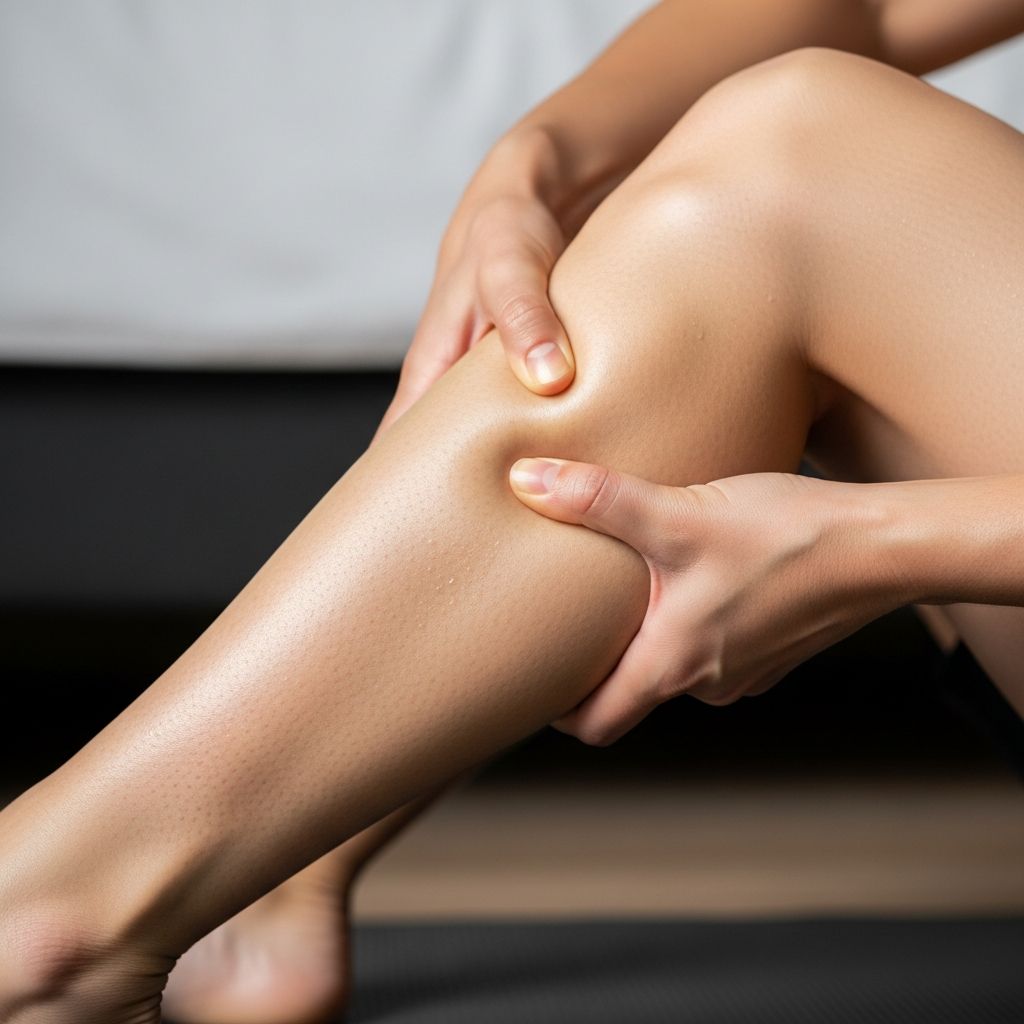
- Massage: Massaging the cramped muscle can help relax it and reduce pain.
- Heat and Ice: Apply a warm compress to relax tight muscles or use ice to reduce soreness after the cramp subsides.
- Hydration: Drink plenty of fluids, especially water or sports drinks that contain electrolytes.
- Over-the-Counter Pain Relievers: Medications like ibuprofen or acetaminophen can help alleviate pain if needed.
Preventing Muscle Cramps
Preventing muscle cramps involves a combination of lifestyle changes and proactive measures:
- Regular Exercise: Engage in regular physical activity to improve muscle strength and flexibility.
- Stretching: Stretch your muscles before and after exercise, and before bedtime if you experience night cramps.
- Stay Hydrated: Drink plenty of fluids throughout the day, especially during exercise or in hot weather.
- Balance Electrolytes: Eat a balanced diet rich in potassium, calcium, and magnesium. Foods like bananas, leafy greens, and dairy products can help.
- Wear Comfortable Shoes: Proper footwear can reduce the risk of cramps, especially during physical activity.
- Avoid Prolonged Sitting or Standing: Take breaks to move around and stretch if you sit or stand for long periods.
Related Stories



Stretching Exercises for Leg Cramps
Regular stretching can help prevent and relieve leg cramps. Here are some effective stretches:
- Calf Stretch: Stand facing a wall, place your hands on the wall, and step one foot back. Keep your back heel on the ground and lean forward until you feel a stretch in your calf.
- Hamstring Stretch: Sit on the floor with one leg extended and the other bent. Reach toward your toes on the extended leg.
- Quadriceps Stretch: Stand on one leg, grab the ankle of the other leg, and pull your heel toward your buttocks.
- Toe Stretch: Sit with your legs extended and pull your toes toward your shin.
Lifestyle Changes to Reduce Cramps
Adopting healthy habits can significantly reduce the frequency and severity of muscle cramps:
- Maintain a Healthy Weight: Excess weight can put additional strain on muscles.
- Quit Smoking: Smoking can impair circulation and increase the risk of cramps.
- Limit Alcohol: Excessive alcohol consumption can lead to dehydration and electrolyte imbalances.
- Manage Stress: Stress can contribute to muscle tension and cramping.
When to Consider Medical Treatment
If home remedies and lifestyle changes do not provide relief, or if cramps are severe and frequent, consult a healthcare provider. They may recommend:
- Medications: Certain medications can help prevent cramps, but they may have side effects.
- Physical Therapy: A physical therapist can design a personalized exercise program to improve muscle strength and flexibility.
- Addressing Underlying Conditions: Treating any underlying medical conditions that may be causing cramps.
FAQs About Muscle Cramps
What causes muscle cramps in the legs?
Muscle cramps in the legs are often caused by overuse, dehydration, electrolyte imbalances, poor circulation, certain medications, and underlying medical conditions.
How can I relieve a leg cramp quickly?
Stretch the affected muscle, massage it, apply heat or ice, and drink fluids to relieve a leg cramp quickly.
Can stretching prevent muscle cramps?
Yes, regular stretching can help prevent muscle cramps by improving muscle flexibility and reducing the risk of strain.
Are muscle cramps a sign of a serious health problem?
Most muscle cramps are harmless, but frequent or severe cramps may indicate an underlying health issue and should be evaluated by a healthcare provider.
What foods can help prevent muscle cramps?
Foods rich in potassium, calcium, and magnesium, such as bananas, leafy greens, and dairy products, can help prevent muscle cramps.
Conclusion
Muscle cramps in the legs are a common and usually harmless condition that can be managed with simple remedies and lifestyle changes. By understanding the causes, adopting preventive measures, and seeking medical attention when necessary, you can reduce the frequency and severity of cramps and improve your overall muscle health.
References
- Muscle Cramps — MedlinePlus. 2023-09-15. https://medlineplus.gov/musclecramps.html
- How to Ease Leg Cramps: Harvard Health Study Reveals New Treatment Options — Certainty News. 2023-08-20. https://www.certaintynews.com/article/how-to-ease-leg-cramps-harvard-health-study-reveals-new-treatment-options
- Leg Cramps — American Cancer Society. 2023-05-10. https://www.cancer.org/treatment/treatments-and-side-effects/physical-side-effects/leg-cramps.html
Similar Articles








Read full bio of medha deb