How To Get Rid Of Razor Bumps: 5 Easy Remedies
Expert tips to soothe, treat, and prevent razor bumps for smooth, irritation-free skin after shaving.
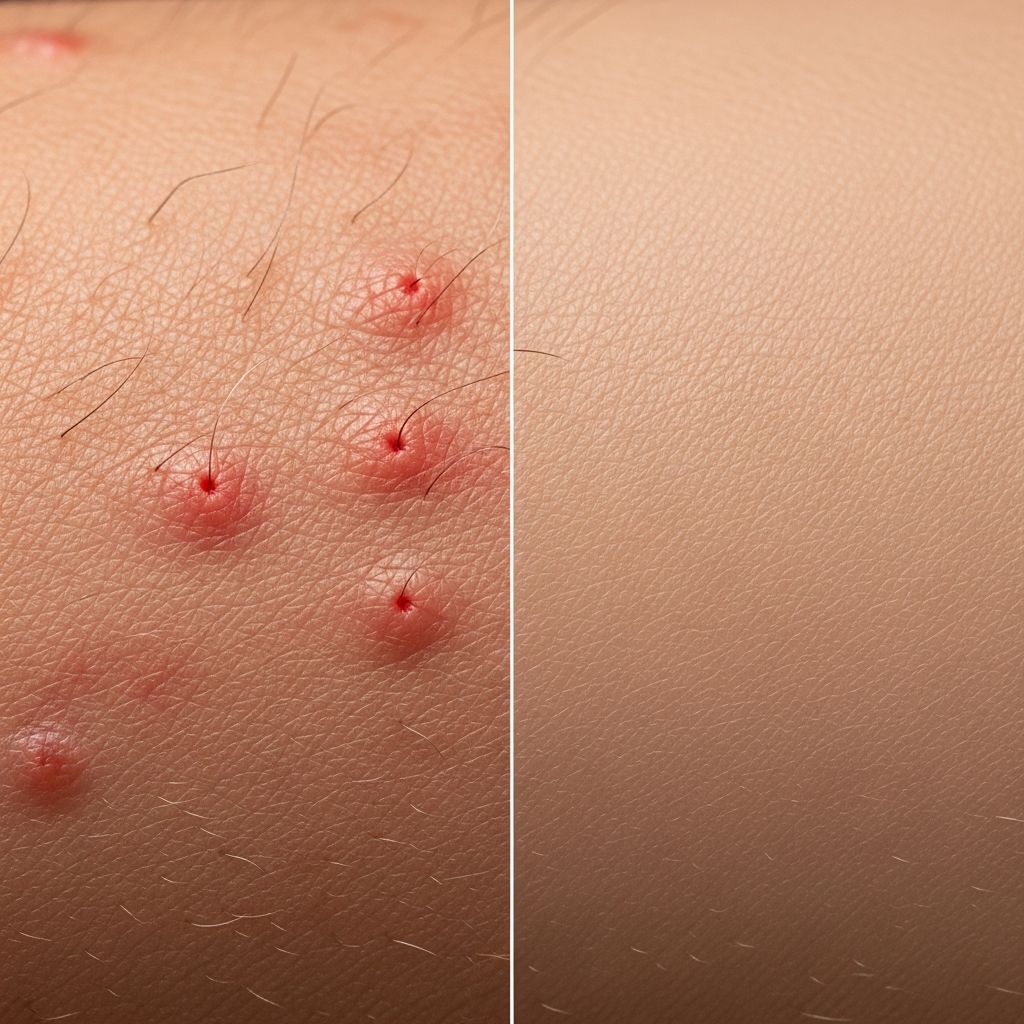
Razor bumps, also known as
pseudofolliculitis barbae (PFB)
or ingrown hairs, are inflamed red bumps that form after shaving when cut hairs curl back into the skin. These irritating spots cause itching, pain, and potential scarring if untreated, but simple remedies and prevention steps can provide quick relief and smoother skin.What Are Razor Bumps?
Razor bumps occur when shaved hairs, especially curly ones, grow back into the skin instead of outward from the follicle. This traps the hair, leading to inflammation, pustules, and darkened skin. Common in the face, neck, bikini line, underarms, and legs, they affect up to 85% of African-American men and those with coarse, curly hair.
Symptoms of Razor Bumps
Recognizing symptoms early helps with prompt treatment. Key signs include:
- Raised red bumps or small papules on shaved areas.
- Itching and tenderness around the follicles.
- Pain, especially if infected with pus-filled pustules.
- Darkening (hyperpigmentation) of the skin post-healing.
- Swelling or small blisters in severe cases.
These typically appear 12-48 hours after shaving and worsen with frequent irritation.
Causes and Risk Factors
The primary cause is
hair curling back into the follicle
due to sharp shaving angles and dead skin buildup. Dull razors tug hairs, increasing risk. Other factors:- Shaving against the grain or dry skin.
- Coarse, curly hair types (common in African-American, Hispanic individuals).
- Frequent shaving without proper prep.
- Sensitive skin or conditions like tinea barbae (fungal infection).
Women experience them in bikini or underarm areas from similar hair growth patterns.
Diagnosis
Most cases self-diagnose, but recurring bumps warrant a dermatologist visit. They differentiate PFB from infections like tinea barbae via visual exam or biopsy. Early diagnosis prevents scarring.
How to Get Rid of Razor Bumps: Home Remedies
Start with gentle, natural remedies to soothe inflammation and release trapped hairs. Apply to clean skin 2-3 times daily.
- Aloe vera: Antibacterial and anti-inflammatory; extract gel from leaves, apply for 30 minutes. Reduces itch and redness fast.
- Warm compress: Use a damp cloth or green tea bags for 10-15 minutes to soften skin and draw out hairs.
- Tea tree oil or witch hazel: Dab diluted oil for antibacterial effects; witch hazel calms redness.
- Gentle exfoliation: Use salicylic acid pads or soft cloth 2x/week to unclog pores without scrubbing.
- Hydrocortisone cream (1% OTC): Spot-treat for swelling; limit to 3-5 days.
Avoid picking, which worsens scarring. Give skin 1-2 weeks to heal.
Treatment Options for Razor Bumps
For persistent bumps, escalate to medical treatments:
- Topical prescriptions: Antibacterial lotions or retinoids to reduce inflammation.
- Sterile extraction: Dermatologist removes ingrown hairs safely.
- Laser hair removal or electrolysis: Permanent reduction; averages $306/session, multiple needed. Ideal for chronic cases as “no hair, no bumps.”
| Treatment | Pros | Cons | Best For |
|---|---|---|---|
| Home Remedies | Cheap, natural, quick relief | Temporary | Mild cases |
| OTC Creams | Accessible, reduces itch | May thin skin if overused | Moderate irritation |
| Laser/Electrolysis | Long-term prevention | Costly, multiple sessions | Recurrent PFB |
Prevention Tips: How to Avoid Razor Bumps
Prevention beats treatment. Adopt these habits for bump-free shaving:
Related Stories



- Prep skin: Shower with warm water 3-5 minutes to soften hair.
- Use sharp razors: Replace after 5-7 uses; opt for multi-blade or electric.
- Shave with grain: First pass with growth direction; minimal against.
- Shaving cream/gel: Fragrance-free with aloe; avoid soaps.
- One-pass rule: Limit strokes per area to reduce trauma.
- Post-shave care: Moisturize with aloe or chamomile; no tight clothes.
- Exfoliate weekly: Chemical exfoliants like glycolic acid.
Consider alternatives like waxing (less frequent) or trimming for high-risk areas.
Complications of Untreated Razor Bumps
Ignore bumps at your peril: risks include keloid scarring, abscesses needing surgery, and permanent hyperpigmentation. Chronic cases lead to hair loss or bacterial infections.
When to See a Doctor
Seek professional help if:
- Bumps persist >2 weeks or spread.
- Pus, fever, or severe pain indicates infection.
- Scarring or darkening worsens.
- Home remedies fail after 1 week.
Dermatologists offer tailored plans.
Frequently Asked Questions (FAQs)
Do razor bumps go away on their own?
Yes, mild cases resolve in 1-2 weeks, but treatment speeds healing and prevents recurrence.
Can anyone get razor bumps?
Most common in curly-haired individuals, but poor technique affects all skin types.
Is laser hair removal worth it for razor bumps?
For chronic sufferers, yes—eliminates follicles for permanent relief.
How long after shaving do razor bumps appear?
Usually 12-48 hours as hairs regrow.
Are electric razors better for preventing bumps?
Yes, they cut hairs higher, reducing ingrown risk.
Razor bumps don’t have to ruin your routine. Consistent prevention and remedies yield smooth, healthy skin. Consult a pro for stubborn issues.
References
- Razor Bumps: Causes, Home Remedies, and Treatment — Healthline (Medically reviewed by Cynthia Cobb, DNP, APRN). 2023-10-30. https://www.healthline.com/health/razor-bumps
- Why you keep getting razor bumps – and 5 best ways to treat them — Women’s Health Magazine UK. 2024 (approx., recent). https://www.womenshealthmag.com/uk/beauty/body/a63896159/razor-bumps/
- Pseudofolliculitis Barbae (Razor Bumps) — American Academy of Dermatology (AAD). 2024-05-15. https://www.aad.org/public/diseases/a-z/razor-bumps-treatment
- Ingrown Hairs: Treatment, Prevention, and Causes — Mayo Clinic. 2025-03-12. https://www.mayoclinic.org/diseases-conditions/ingrown-hair/symptoms-causes/syc-20373893
Similar Articles








Read full bio of Sneha Tete