How to Get Rid of Warts: Treatment Options
Comprehensive guide to wart removal: from home remedies to professional treatments.
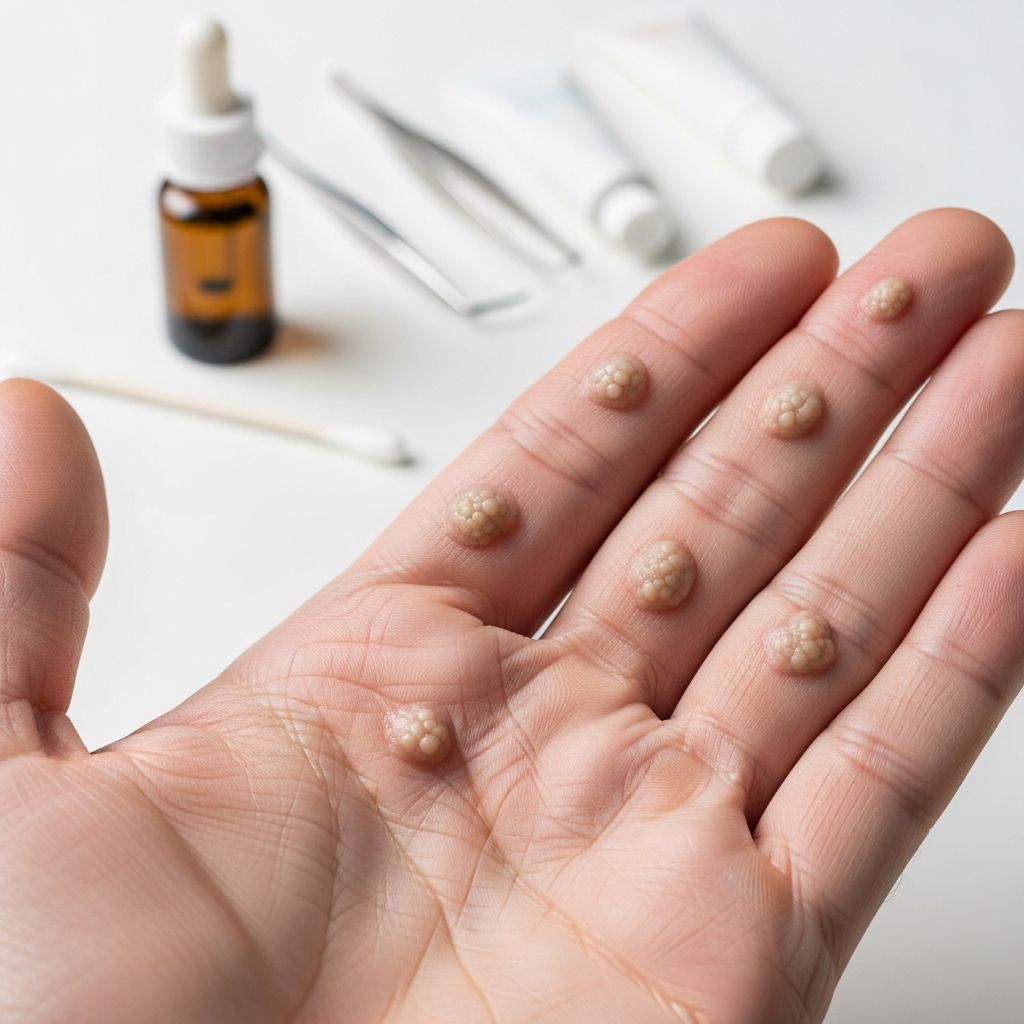
How to Get Rid of Warts: Complete Treatment Guide
Warts are common benign skin growths caused by the human papillomavirus (HPV) that affect millions of people worldwide. While generally harmless, warts can be bothersome, embarrassing, and sometimes painful, particularly when located on pressure-bearing areas like the feet. Fortunately, multiple effective treatment options are available, ranging from simple at-home remedies to professional medical procedures. Understanding these options can help you choose the most appropriate approach for your situation.
Understanding Warts and Why They Appear
Warts develop when the human papillomavirus infects the outer layer of skin, typically through small cuts or breaks in the skin barrier. They can appear anywhere on the body but are most common on the hands, feet, and other areas subject to frequent contact or friction. Common types include plantar warts on the soles of feet, flat warts that appear slightly raised, and common warts on hands and fingers. While many warts resolve on their own without treatment, others persist for years and may require intervention.
At-Home Wart Treatment Options
Many people prefer starting with at-home treatments before pursuing professional help. Several over-the-counter options are available and can be effective for mild to moderate cases.
Salicylic Acid Products
Salicylic acid is the only FDA-approved topical medication currently available to treat cutaneous warts, with a standard formulation of 17% salicylic acid. This treatment works by softening and breaking down the keratin protein that makes up the wart. Available in various forms including liquids, gels, pads, and plasters, salicylic acid requires consistent application over several months for potentially modest results. Patients must apply the medication regularly as directed, typically daily, and may need to use pumice stones or files to remove dead skin between applications. While this method is accessible and affordable, it demands patience and commitment, as complete healing may take three to four months or longer.
Other Over-the-Counter Options
Various other remedies are marketed for wart treatment, though their effectiveness varies considerably. Some people experiment with home remedies like apple cider vinegar, tea tree oil, or duct tape therapy, but scientific evidence supporting these methods is limited. Commercial wart removal kits that combine multiple approaches may offer better results than single-ingredient products, though individual responses differ significantly.
Professional Medical Treatments
When at-home treatments fail or warts are particularly stubborn, professional dermatological interventions offer more powerful solutions with faster results.
Cryotherapy (Liquid Nitrogen)
Cryotherapy represents one of the most commonly used professional treatments for warts. This procedure involves applying liquid nitrogen directly to the wart, which freezes and kills the infected tissue. The extreme cold causes the wart to blister and eventually fall off within one to two weeks. While effective for many patients, cryotherapy may require multiple sessions, particularly for larger or more resistant warts. Some patients experience discomfort during the procedure, though this is generally brief and manageable.
Laser Treatment
Laser therapy has emerged as an effective option for particularly stubborn or extensive warts. Dermatologists use specialized vascular lasers that shut off the blood supply to the wart, essentially suffocating the infected tissue. The wart subsequently blisters and falls away naturally. This approach works well for warts resistant to other treatments, though multiple sessions may be necessary depending on wart size and severity. The procedure requires professional administration but offers excellent results with minimal scarring.
Intralesional Cidofovir
For refractory warts that resist conventional treatments, intralesional cidofovir injection represents an emerging alternative therapy. Cidofovir is an antiviral medication originally developed for treating cytomegalovirus infections in immunocompromised patients. When injected directly into the wart, it has demonstrated promise in treating recalcitrant cases, particularly in immunocompromised individuals or those with multiple persistent warts. Administration typically involves injecting diluted cidofovir solution directly into the lesion using a crosshatching technique, with treatments spaced monthly if needed. Local anesthesia may be applied beforehand to minimize discomfort. Studies indicate this approach is particularly valuable for warts lasting two or more years that haven’t responded to standard treatments.
Related Stories



Topical Immunotherapy
Immunotherapy treatments stimulate the body’s natural immune response to fight HPV infection. Various compounds can be applied topically or injected to enhance immune function against the virus. These treatments work by training the immune system to recognize and eliminate infected cells. While results vary, immunotherapy offers an alternative mechanism of action for patients who haven’t succeeded with other approaches.
Curettage and Cautery
For particularly stubborn warts, dermatologists may recommend curettage (scraping away the wart) combined with cautery (burning the base to prevent regrowth). This more aggressive approach physically removes the wart tissue and seals the underlying blood vessels. While effective, it may cause scarring and requires skilled professional administration. It’s typically reserved for extensive cases or when other treatments have failed.
Combination Therapies
Research indicates that combining treatments often produces superior results. For example, 5-fluorouracil combined with salicylic acid achieved complete healing in 63.4% of common warts and 63% of plantar warts within one to three months, compared to significantly lower rates with individual agents. Advanced topical preparations combining multiple active ingredients may offer enhanced effectiveness when applied consistently.
Comparative Overview of Treatment Methods
| Treatment Method | Effectiveness | Time to Results | Cost | Professional Required |
|---|---|---|---|---|
| Salicylic Acid | Modest (23-30%) | 3-6 months | Low | No |
| Cryotherapy | Good (60-80%) | 1-3 weeks | Moderate | Yes |
| Laser Treatment | Excellent (85-95%) | 2-4 weeks | High | Yes |
| Intralesional Cidofovir | Excellent (80-95%) | 4-8 weeks | High | Yes |
| Combination Therapy | Excellent (60-95%) | 1-3 months | High | Usually |
Selecting the Right Treatment for Your Situation
Choosing an appropriate wart treatment depends on several factors. Consider whether the wart is causing pain or functional impairment, how long you’ve had it, how many warts are present, and your personal preferences regarding treatment duration and cost. For mild warts causing no symptoms, watchful waiting may be reasonable since many resolve spontaneously. For symptomatic warts or those that have persisted for several months, treatment is advisable.
Your healthcare provider can help assess wart severity and recommend the most appropriate approach. If you prefer starting conservatively, begin with over-the-counter salicylic acid products, maintaining consistent application for at least two to three months. If this proves ineffective or if warts are extensive, schedule an appointment with a dermatologist to discuss professional options like cryotherapy or laser treatment. For particularly stubborn cases resistant to multiple treatments, emerging therapies like intralesional cidofovir may offer hope.
Important Application Tips for Home Treatments
If using topical wart treatments at home, proper application technique significantly affects success rates. When applying medication, focus on complete coverage of the entire wart, including its sides and edges, not just the top surface. Think of application like frosting a sheet cake rather than a cupcake—thorough coverage ensures better penetration and effectiveness. Many treatment failures result from insufficient application or inconsistent use. Additionally, soften the wart area before application by soaking in warm water, and use a pumice stone or file to remove dead skin, which helps medication penetrate more effectively.
Preventing Wart Recurrence
After successfully treating warts, preventing recurrence is important. Since warts result from HPV infection, they can return if you’re re-exposed to the virus. Practice good skin hygiene by keeping hands and feet clean and dry. Avoid walking barefoot in communal areas like pools, gyms, and locker rooms where HPV transmission is more likely. Don’t share personal items like towels, razors, or nail clippers. If you have warts, avoid touching or picking at them, as this can spread the virus to other body areas. Finally, maintain overall skin health and immune function through adequate sleep, nutrition, and stress management.
When to Seek Professional Help
Contact a dermatologist if warts persist for more than two years, cover large areas of your body, cause pain or functional problems, or fail to respond to over-the-counter treatments after three months of consistent use. Immunocompromised individuals should seek professional treatment sooner, as their warts tend to be more resistant and persistent. Additionally, if you’re uncertain whether a skin growth is actually a wart or if it changes in appearance, professional evaluation is warranted to rule out other conditions.
Frequently Asked Questions
Q: Can warts spread to other people?
A: Yes, warts are contagious and spread through direct contact or contaminated surfaces. However, not everyone exposed to HPV develops warts, as individual immune response varies. Practicing good hygiene and avoiding shared items reduces transmission risk.
Q: How long does it take to get rid of warts?
A: Timeline depends on treatment method. Over-the-counter salicylic acid typically requires three to six months. Professional treatments like cryotherapy show results in one to three weeks, while laser treatment and cidofovir injection may take four to eight weeks. Individual variation is significant.
Q: Can warts return after successful treatment?
A: Warts can recur after treatment, though recurrence rates vary by treatment method and individual immune response. Some professional treatments, particularly laser therapy and combination approaches, show lower recurrence rates. Practicing prevention strategies reduces recurrence risk.
Q: Are over-the-counter wart treatments effective?
A: Over-the-counter salicylic acid is FDA-approved and can be effective for mild warts when applied consistently, but only achieves healing in approximately 23-30% of cases and requires several months. Professional treatments generally offer higher effectiveness rates with faster results.
Q: Is wart treatment painful?
A: Pain varies by treatment. At-home salicylic acid is generally painless but requires patience. Cryotherapy may cause brief discomfort during application. Laser treatment may involve mild discomfort. Intralesional cidofovir can be uncomfortable but local anesthesia is typically applied first.
Q: Do natural remedies work for warts?
A: Many natural remedies like apple cider vinegar, tea tree oil, and duct tape are frequently tried, but scientific evidence supporting their effectiveness is limited. FDA-approved treatments and professional procedures have stronger evidence bases.
Conclusion
Warts represent a common and treatable skin condition. While many resolve spontaneously, numerous effective treatment options exist for those seeking faster resolution or dealing with persistent warts. At-home treatments like salicylic acid offer affordable starting points, though they require consistency and patience. For faster, more reliable results, professional treatments including cryotherapy, laser therapy, and emerging options like intralesional cidofovir provide excellent outcomes. The best treatment approach depends on individual circumstances, wart characteristics, and personal preferences. Consulting with a dermatologist can help determine the optimal strategy for your situation, ensuring you can eliminate warts and restore clear, healthy skin.
References
- Effective Treatment of Cutaneous Warts Using a Novel 5-FU/SA Compounded Topical Medication — HMP Global Learning Network. 2024. https://www.hmpgloballearningnetwork.com/site/thederm/article/effective-treatment-cutaneous-warts-using-novel-5-fusa-compounded-topical-medication
- Intralesional cidofovir for the management of refractory cutaneous warts — National Center for Biotechnology Information, U.S. National Library of Medicine. 2023. https://pmc.ncbi.nlm.nih.gov/articles/PMC10088403/
- Wart Removal 101: What Really Works According to a Harvard Expert — Harvard Health. 2024. https://www.health.harvard.edu/diseases-and-conditions/how-to-get-rid-of-warts
Similar Articles








Read full bio of Sneha Tete