Vitamin-Ready For Autumn And Winter: 7 Essential Nutrients
Boost your immunity and stay healthy through autumn and winter with essential vitamins, smart diet tips, and daily supplementation strategies.
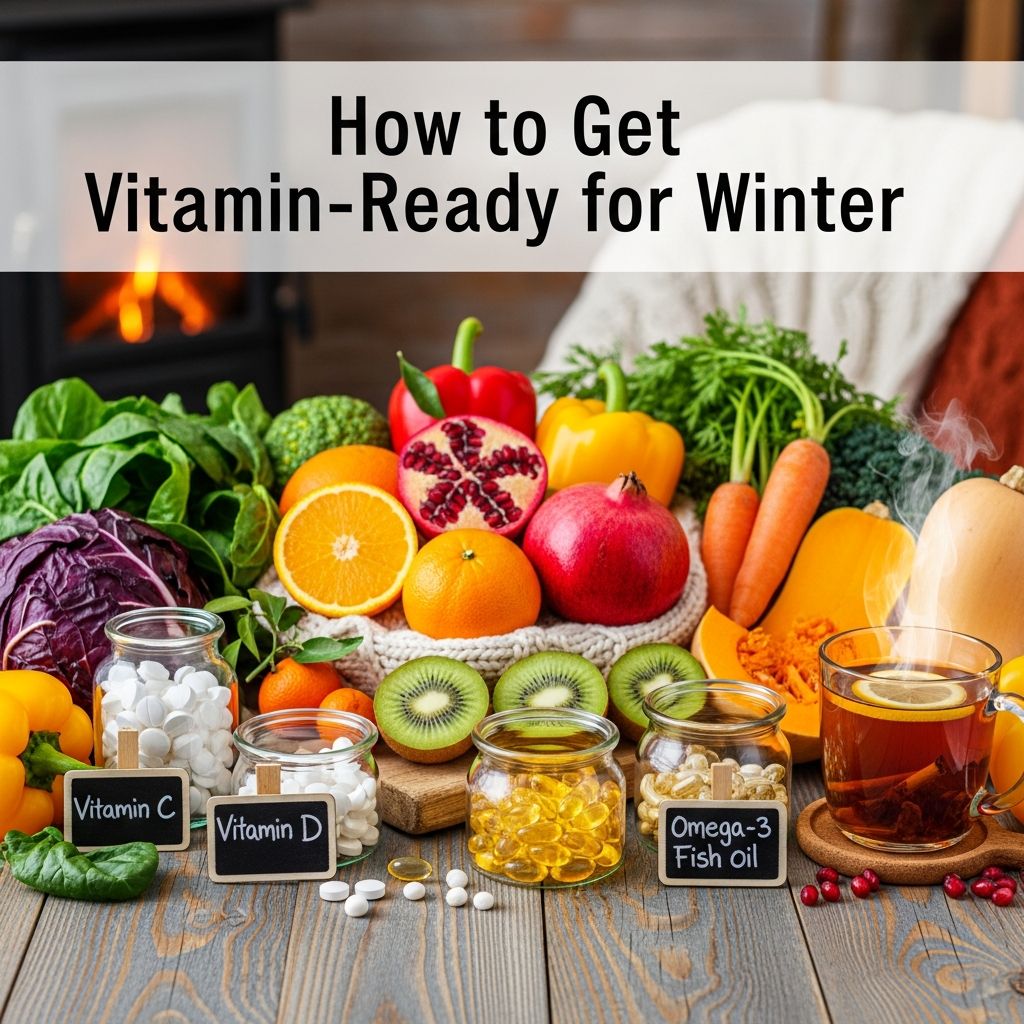
Autumn marks the transition to shorter days and colder weather, increasing our vulnerability to winter viruses like the common cold and flu. While no nutrient can fully prevent illness, a balanced intake of key vitamins and minerals supports normal immune function, potentially reducing the severity and duration of symptoms. Vitamins A, C, and D, along with iron, selenium, zinc, and B vitamins, play crucial roles in maintaining health during these months.
Government guidelines emphasize daily vitamin D supplementation from mid-September to April, as sunlight exposure drops significantly in the UK, limiting natural production. This article explores the science behind these nutrients, food sources, supplementation advice, and practical tips to vitamin-proof your winter routine.
Vitamins and Immune Function
Vitamins and minerals are essential for a robust immune system.
Vitamin D
, often called the sunshine vitamin, regulates immune cells and may reduce infection risk. Chronic low levels are linked to higher chances of type 1 diabetes and multiple sclerosis, though more research is needed. UK advice from 2016 recommends 10 micrograms (400 IU) daily for everyone over 12 months during autumn and winter.**Vitamin C** acts as an antioxidant, supporting white blood cell function. A meta-analysis showed supplements reduce cold severity, though results on duration vary.
Vitamin A
maintains mucosal barriers against pathogens, found in carrots, sweet potatoes, and leafy greens.Minerals like
zinc
shorten cold duration by up to a third if taken within 24 hours of symptoms (15-30 mg/day).Selenium
andiron
aid antioxidant defenses and oxygen transport, while B vitamins support energy and nervous system health.Why Winter is Challenging for Vitamin Levels
From October to March, UK sunlight lacks sufficient UVB rays for skin to produce vitamin D, depleting stores over time. Food sources like oily fish (salmon, mackerel), eggs, and fortified cereals provide some, but rarely enough without supplements. Dietitian Sian Porter from the British Dietetic Association notes that even healthy eaters struggle to meet needs solely from diet.
Vitamin C intake can dip with fewer fresh fruits, and comfort eating—fizzy drinks, sweets, alcohol—displaces nutrient-dense foods. Fatigue from low vitamin D exacerbates this, creating a cycle of low energy and poor choices.
| Vitamin/Mineral | Winter Risk | Key Benefit |
|---|---|---|
| Vitamin D | Sunlight deficiency | Immune regulation |
| Vitamin C | Reduced fresh produce | Antioxidant protection |
| Zinc | Inadequate if symptomatic | Shortens colds |
| Selenium | Low in processed diets | Antioxidant support |
Top Foods to Boost Immunity This Winter
Incorporate these nutrient powerhouses into soups, stews, and smoothies for comforting, healthy winter meals.
- Citrus fruits, peppers, tomatoes, green vegetables: High in vitamin C; aim for 5-a-day.
- Oily fish (salmon, sardines, mackerel): Top vitamin D source; 2 portions weekly.
- Berries (strawberries, blueberries): Antioxidants protect cells; add to yogurt or porridge.
- Leafy greens (spinach, kale): Vitamins A and C; steam lightly to retain nutrients.
- Nuts and seeds (almonds, pumpkin seeds): Vitamin E, zinc, selenium.
- Garlic and ginger: Immune-supporting compounds; grate into teas or soups.
- Mushrooms: Vitamin D (if UV-exposed), B vitamins, selenium.
- Beans, lentils: Iron, zinc, B vitamins for energy.
Related Stories



Review your diet against the Eatwell Guide for balance: prioritize fruits/veg (40%), whole grains, proteins, and dairy/alternatives while limiting fats/sugars.
Supplementation Guidelines
Supplements bridge gaps when diet falls short.
- Vitamin D: 10 mcg (400 IU) daily for all over 12 months (8.5-10 mcg for breastfed babies/under 500ml formula). Start mid-September to April.
- Vitamin C: 500-1000 mg/day at cold onset for severity reduction.
- Zinc: 15-30 mg/day lozenges within 24 hours of symptoms; short-term only.
Combined products are available; consult pharmacists. Breastfed babies need drops; formula-fed get enough if over 500ml daily. Nutritionist Dr. Emma Derbyshire advises minimizing junk foods for optimal nutrient absorption.
Top Tips for Winter Vitamin Readiness
Take Stock
Assess your diet using the Eatwell Guide. Track 5-a-day intake and identify gaps in immune boosters.
Vitamin D Every Day
Stock family supplies: 10 mcg/day. Set reminders or pair with breakfast routines.
Make a Shopping List
Plan for vitamin C-rich foods: citrus, peppers, broccoli. Include oily fish, nuts, and fortified items.
Standby Supplements
Keep zinc (15-30 mg) and vitamin C (500-1000 mg) for colds. Use short-term per label.
Stay Hydrated and Active
Drink 6-8 glasses water daily; short outdoor walks boost mood and limited vitamin D synthesis.
Frequently Asked Questions (FAQs)
Who needs vitamin D supplements in winter?
Everyone in the UK over 12 months, per government advice, due to insufficient sunlight.
Can food alone provide enough vitamin D?
No; diet provides limited amounts. Supplements are essential October-March.
Does zinc really shorten colds?
Yes, by a third if started within 24 hours, per meta-analysis.
What if I’m pregnant or breastfeeding?
Take 10 mcg vitamin D daily; consult doctor for personalized advice.
Are there risks with supplements?
Stick to recommended doses; excess vitamin D can cause issues. Read labels.
Comfort Eating Healthily
Winter cravings are normal, but opt for nutrient-dense comforts: veggie-loaded stews, berry smoothies, ginger teas. This supports immunity without empty calories.
By planning ahead with these strategies, you’ll fortify your body against winter woes, ensuring more vibrant health through the season.
References
- How to get vitamin-ready for autumn and winter — Patient.info. 2023. https://patient.info/features/diet-and-nutrition/how-to-get-vitamin-ready-for-winter
- How to boost your vitamin D levels this winter — Patient.info (NHS-endorsed). 2025-08-28. https://patient.info/features/diet-and-nutrition/how-to-boost-your-vitamin-d-levels-this-winter
- UK Government Vitamin D Advice (via PHE/NICE) — Public Health England/NICE. 2020 (ongoing). https://www.gov.uk/government/publications/vitamin-d-for-bone-health
- Foods to boost your immune system this winter — Patient.info (BDA-aligned). 2023. https://patient.info/features/diet-and-nutrition/foods-to-boost-your-immune-system-this-winter
- How to comfort eat healthily in winter — Patient.info. 2023. https://patient.info/features/diet-and-nutrition/how-to-comfort-eat-healthily-in-winter
Similar Articles








Read full bio of medha deb