How To Get Water Out Of Your Ear: 7 Safe Home Methods
Safe, effective home remedies to drain trapped water from your ears and prevent swimmer’s ear infections.
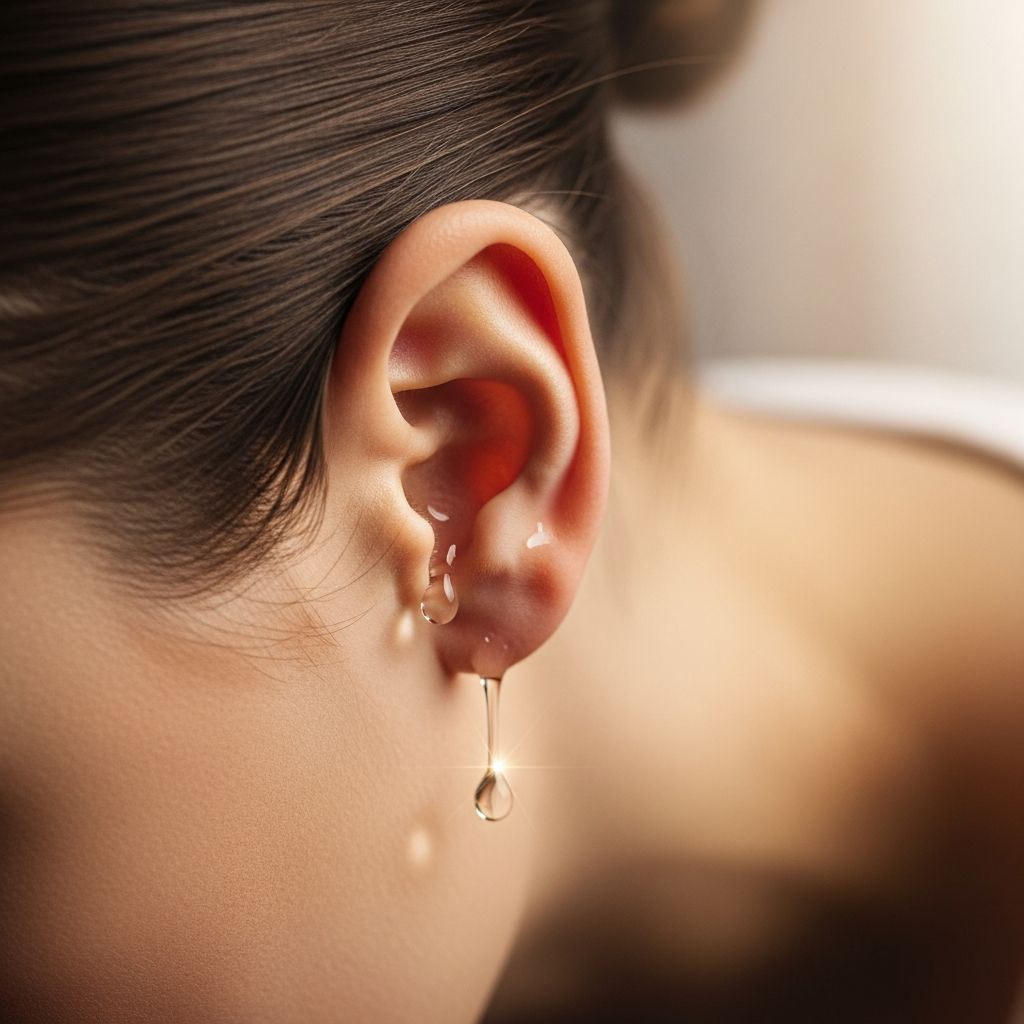
Trapped water in your ear can cause discomfort, muffled hearing, and increase the risk of swimmer’s ear (otitis externa), an infection in the outer ear canal. Common after swimming, showering, or bathing, water often drains naturally but may require simple home remedies if it lingers.
Symptoms of Water in Your Ear
Water trapped in the ear canal creates a tickling or fullness sensation that may spread to the jaw or throat. You might hear muffled sounds, feel pressure, or experience temporary hearing loss. If untreated, it can lead to pain, itching, redness, or infection symptoms like swelling and discharge.
Why Water Gets Trapped
Narrow ear canals, excess earwax, or surface tension hold water in place. Earwax is naturally water-repellent, but when overwhelmed, it fails to push water out. Activities like swimming or diving exacerbate this, especially in chlorinated pools or contaminated water harboring bacteria.
Home Remedies to Get Water Out of Your Ear
Most cases resolve with gravity or gentle techniques. Avoid inserting objects like cotton swabs, which can push water deeper, damage the canal, or cause infection.
1. Use Gravity
Tilt your head with the affected ear down, gently pull your earlobe to straighten the canal, and hop lightly on one foot. Lie on your side on a towel for 5-10 minutes to let water drain naturally.
2. Create a Vacuum
Place your palm over the ear, press firmly, and release quickly to create suction. Repeat 10-15 times. This pulls water out via pressure changes.
3. Apply a Warm Compress
Soak a cloth in warm (not hot) water, wring it out, and hold it against the ear for 30 seconds. Heat dilates the canal, aiding drainage. Repeat as needed.
4. Blow Dryer Method
Set a hairdryer to low heat and cool air, hold 12 inches away, and direct airflow into the ear for 30 seconds. The warmth and air evaporate moisture. Avoid high heat to prevent burns.
5. Ear Drops
Dry the ear with alcohol-vinegar mix (1:1 ratio), hydrogen peroxide, or over-the-counter swimmer’s ear drops. Lie on your side, add 3-5 drops, wait 5 minutes, then drain. These evaporate water and prevent bacterial growth.
- Alcohol drops: Disinfect and dry.
- Hydrogen peroxide: Bubbles loosen debris.
- Oil (olive/almond): Softens wax barriers.
Contraindications: Skip drops if you have ear tubes, perforation, infection, or pain.
6. Add More Water
Counterintuitively, fill the ear with clean water using a dropper while lying down, wait 5 seconds, then flip to drain. This flushes trapped water.
7. Chew or Yawn
Movements like chewing gum, yawning, or swallowing open the Eustachian tube, equalizing pressure and aiding drainage.
Related Stories



What Not to Do
Avoid Q-tips, fingers, or sharp objects—they compact wax, introduce bacteria, or puncture the eardrum. Don’t use excessive force or ignore symptoms beyond 24-48 hours.
| Method | Why Avoid | Safer Alternative |
|---|---|---|
| Cotton swabs | Pushes debris deeper, risks perforation | Gravity tilt |
| Finger digging | Introduces bacteria, injures canal | Vacuum technique |
| High-heat dryer | Scalds sensitive skin | Low/cool setting |
Prevention Tips
Prevent trapped water to avoid recurrent issues:
- Wear earplugs or swim caps during water activities.
- Dry ears thoroughly post-swim with a towel; shake head side-to-side.
- Use cotton balls coated in petroleum jelly for showers.
- Avoid submerging head if prone to wax buildup.
Risks of Untreated Water in Ear
Prolonged moisture breeds bacteria, causing swimmer’s ear: pain, itching, discharge, fever, or hearing loss. Severe cases spread to surrounding tissues.
When to See a Doctor
Seek help if water persists after 2-3 days, or with:
- Severe pain, swelling, or fever.
- Discharge, bleeding, or dizziness.
- Hearing loss or recurrent infections.
- Suspected perforation or tubes.
ENT specialists or urgent care can suction water, prescribe drops, or treat infections.
Frequently Asked Questions (FAQs)
Why does my ear feel like there’s water in it without swimming?
This sensation can stem from earwax buildup, infections, Eustachian tube dysfunction, or glue ear. Consult a doctor for diagnosis if persistent.
Why can’t I get the water out?
Wax or debris blocks the canal. Sterile drops soften wax; avoid digging. Swimmer’s ear may require antibiotics.
What if water stays in too long?
Risk of swimmer’s ear infection needing medical treatment.
How to unblock a pressure-trapped ear?
Yawn, swallow, or use a warm compress to open Eustachian tubes.
Is swimmer’s ear serious?
Usually treatable with drops, but untreated cases can worsen.
These methods, backed by health experts, safely remove water in most cases. Persistent issues warrant professional care to prevent complications.
References
- 5 Tips to Remove Water from Your Ears — Banner Health. 2023. https://www.bannerhealth.com/healthcareblog/teach-me/5-tips-to-remove-water-from-your-ears
- 6 Steps to Get Water Out of Your Ear and When to See a Doctor — Healthline. 2023-10-12. https://www.healthline.com/health/how-to-get-water-out-of-your-ear
- How To Get Water Out of Your Ear — Baptist Health. 2024. https://www.baptisthealth.com/blog/audiology/how-to-get-water-out-of-your-ear
- How to get water out of your ear: Tips and prevention — Medical News Today. 2023-11-27. https://www.medicalnewstoday.com/articles/315544
Similar Articles








Read full bio of medha deb