How to Get Your Kids to Eat Dark Leafy Greens
Discover practical tips and creative recipes to make nutrient-packed dark leafy greens appealing to picky eaters and encourage healthy eating habits.
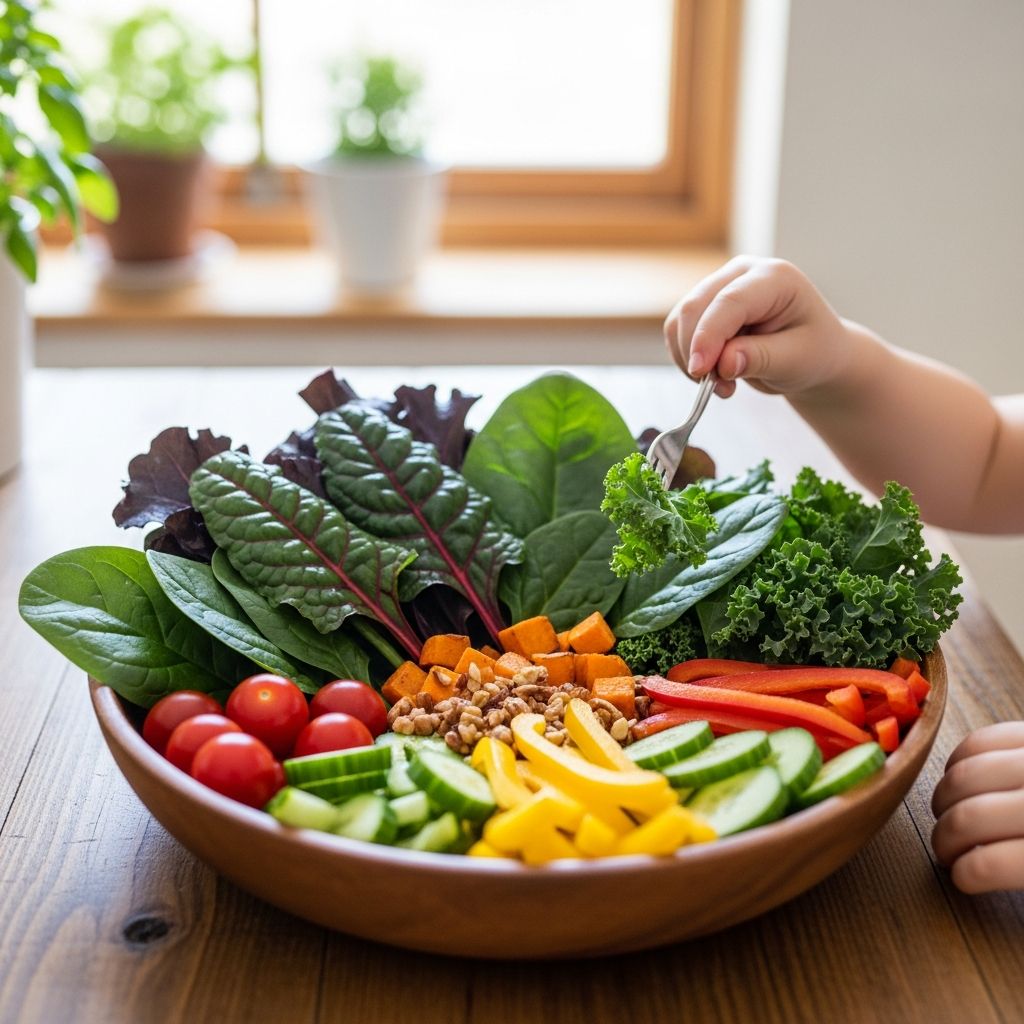
Dark leafy greens like kale, spinach, collard greens, chard, and arugula are nutritional powerhouses, yet many children resist their strong flavors and textures. This guide provides evidence-based strategies, delicious recipes, and practical tips to make these veggies appealing, helping families meet dietary recommendations while fostering lifelong healthy eating habits.
The Nutritional Benefits of Greens
Dark leafy greens are essential for optimal health, delivering a wealth of nutrients in low-calorie packages. The 2020-2025 Dietary Guidelines for Americans recommend that individuals consuming 2,000 calories daily aim for 1½ cups of dark green vegetables weekly, scaled by age and calorie needs for children. These greens provide 10-25 calories per half-cup serving but are loaded with
vitamin A
,vitamin C
,antioxidants
,dietary fiber
,folate
,vitamin K
,magnesium
,calcium
,iron
, andpotassium
.Vitamin K supports blood clotting and bone health, while folate aids cell growth—crucial for growing kids. Iron from greens, enhanced by vitamin C pairing, combats anemia. Fiber promotes digestion, and antioxidants fight inflammation. Regular intake links to reduced chronic disease risk later in life, per USDA guidelines.
4 Tips for Kid-Friendly Leafy Greens
Intense flavors intimidate many, but simple techniques transform bitter greens into family favorites. Here are four proven tips:
- Braise collards and mustard greens slowly: Low-temperature braising mellows bitterness. Remove tough stems, cook extended time, and season at the end to preserve tenderness.
- Choose tender kale varieties: Use lacinato or baby kale for salads; reserve curly kale for soups or braises.
- Sauté for nutrient retention: Sauté blanched greens in olive oil with onion, garlic, nuts, and lemon zest (avoid juice to prevent browning). This adds flavor and healthy fats.
- Mix salads gradually: Blend half familiar lettuce with dark greens, using citrus dressings to balance taste and boost iron absorption.
Positive Strategies to Encourage Vegetable Eating
Beyond preparation, behavioral strategies boost acceptance. Parental modeling increases veggie intake as kids mimic adults enjoying greens at family meals. Repeated exposure—up to 12-17 times—builds familiarity without pressure.
- Pair with favorites: Serve with dips like yogurt, ranch, hummus, or ketchup, especially for bitter greens like broccoli.
- Adapt routines: Offer veggies first when hunger peaks, provide choices, or snack on them by limiting junk options.
- Vary forms: Raw, cooked, smoothies, soups—diversity ensures broad nutrients. Involve kids in shopping, growing, or prepping.
- Non-food rewards: Stickers for trying veggies pair with exposure for lasting liking.
Make Eating Greens Fun for Kids
Playfulness turns reluctance into excitement. Cheesy spinach ravioli, mac and cheese with hidden spinach, or kale chips introduce greens sneakily. Create veggie faces on plates or host taste-testing games.
Easy Recipes with Dark Leafy Greens
Integrate greens seamlessly with these kid-tested recipes.
Chocolate Spinach Smoothies
Blend spinach, banana, almond milk, and cocoa for ‘chocolate shakes’ kids devour—undetectable greens pack fiber and iron.
Green Soups
Add handfuls of greens to potato or chicken noodle soups; they wilt invisibly, boosting nutrition.
Cheesy Spinach Omelets or Muffins
Stuff omelets or bake Mexican egg muffins with spinach for protein-packed bites.
Greens Pizza and Pasta
Related Stories



Top pizzas or toss pasta with spinach pesto or kale sauces—cheese masks greens.
Sautéed Greens with Dips
Snack trays with cucumber, peppers, and endive in hummus distract from greens.
| Green | Calories | Vitamin K (mcg) | Vitamin A (IU) | Iron (mg) |
|---|---|---|---|---|
| Spinach | 7 | 483 | 9377 | 2.7 |
| Kale | 33 | 817 | 9990 | 1.5 |
| Collards | 25 | 437 | 6612 | 0.5 |
Data adapted from USDA FoodData Central.
Frequently Asked Questions (FAQs)
Q: How much dark leafy greens should kids eat weekly?
A: Per 2020-2025 Dietary Guidelines, children 2-8 years need 1 cup; 9-13 years, 1½ cups, adjusted for calories.
Q: Why do kids dislike bitter greens?
A: Sensitivity to bitter tastes is common; pair with sweet dips or fats, expose repeatedly.
Q: Can I hide greens in meals?
A: Yes, in smoothies, soups, sauces—but pair with open exposure for acceptance.
Q: What’s the best cooking method?
A: Sautéing preserves nutrients over boiling; braise tough varieties.
Q: How to involve picky eaters?
A: Let them shop, prep, or choose; model enjoyment.
References
- How to Get Your Kids to Eat Dark Leafy Greens — Academy of Nutrition and Dietetics. 2023. https://www.eatright.org/food/food-groups/vegetables/how-to-get-your-kids-to-eat-dark-leafy-greens
- More Veggies, Please! How to Encourage Your Child to Eat More Vegetables — Penn State Extension. 2022-10-11. https://extension.psu.edu/more-veggies-please-how-to-encourage-your-child-to-eat-more-vegetables
- 10 Simple Ways to Eat More Leafy Greens — Whole Foods Market. 2023. https://www.wholefoodsmarket.com/tips-and-ideas/simple-ways-enjoy-leafy-greens
Similar Articles








Read full bio of Sneha Tete