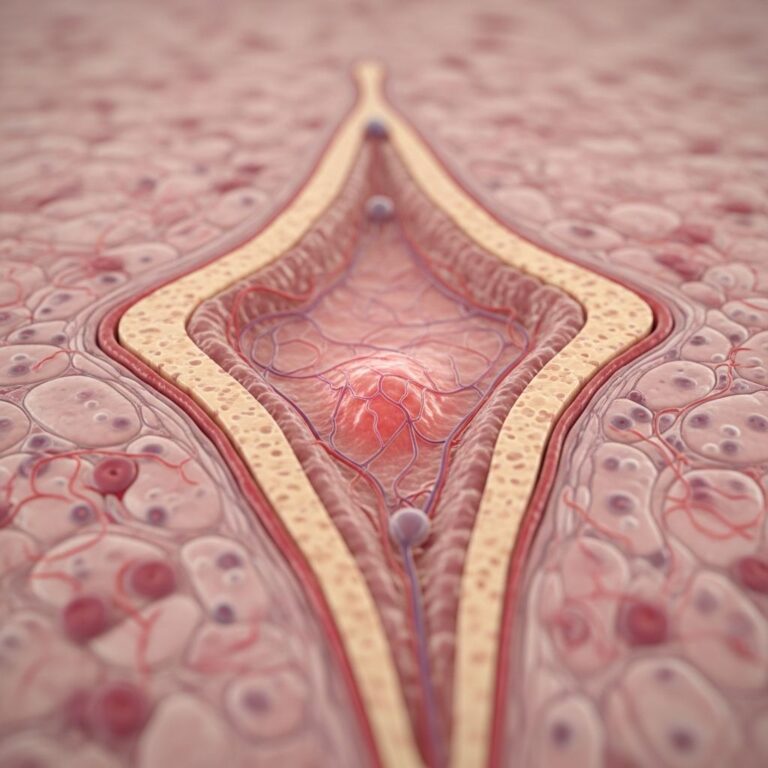
How To Get Your Voice Back Fast: 7 Proven Home Remedies
Effective remedies and tips to restore your voice quickly after laryngitis, overuse, or illness with expert-backed strategies.

Losing your voice, often due to
laryngitis
or vocal strain, can be frustrating but is usually temporary. Resting your voice, staying hydrated, and using simple remedies like steam inhalation and salt water gargles can help restore it within days.What Causes You to Lose Your Voice?
Voice loss typically stems from inflammation of the vocal cords in the larynx. Common triggers include viral infections causing acute laryngitis, bacterial infections, or overuse from shouting or singing. Other factors are acid reflux irritating the throat, allergies, smoking, or environmental irritants like dry air.
Acute laryngitis from a cold or flu often resolves in 3-7 days with self-care, while chronic cases lasting over three weeks may signal nodules, polyps, or serious issues like cancer requiring medical evaluation.
Home Remedies to Get Your Voice Back Fast
Focus on reducing inflammation and keeping vocal cords moist. Here’s how:
- Rest your voice: The top recommendation—avoid talking for 1-2 days. Use gestures or write notes. Limit speaking to a low, normal volume “confidential voice” instead of whispering, which strains cords more.
- Get plenty of rest: Sleep allows healing; aim for 7-9 hours nightly.
- Stay hydrated: Drink 8-10 glasses of water daily. Warm liquids like herbal tea with honey soothe the throat without caffeine’s drying effect.
- Gargle salt water: Mix 1 tsp salt in warm water; gargle 2-3 times daily to reduce swelling and clear mucus.
- Use throat lozenges: Honey-based ones boost saliva and fight inflammation. Suck slowly, avoid menthol if irritating.
- Inhale steam: Take hot showers or use a humidifier to moisten airways and loosen secretions.
- Use a humidifier: Maintain 40-60% humidity, especially in dry winters. Clean regularly to prevent mold.
What to Avoid When You Lose Your Voice
Certain habits worsen inflammation:
- Whispering or shouting: Both tense vocal cords; opt for quiet normal speech.
- Irritants: Smoke, alcohol, caffeine, spicy/acidic foods (citrus, tomatoes), and high-fat meals that trigger reflux.
- Dehydration sources: Alcohol and excessive coffee dry the throat.
- Acid reflux triggers: Eat smaller meals, avoid lying down post-eating, skip chocolate, garlic, onions.
Medications and Medical Treatments
Over-the-counter options help symptoms:
- Pain relievers: Ibuprofen or acetaminophen reduce pain and swelling. Follow dosage instructions.
- Antihistamines/decongestants: For allergy-related hoarseness.
- Acid reflux meds: Antacids, H2 blockers, or PPIs if GERD is the cause.
For persistent cases, see a doctor for:
- Antibiotics: Rare, only for bacterial laryngitis.
- Corticosteroids: To quickly reduce severe swelling.
- Speech therapy: Teaches proper technique, breathing exercises, straw phonation for vocal health.
- Laryngoscopy: Examines vocal cords for nodules or other issues.
How Long Does It Take to Get Your Voice Back?
Recovery varies: 3-7 days for viral laryngitis with rest; longer for chronic causes. Factors include cause severity, age, and adherence to remedies. If no improvement in a week, seek care.
| Cause | Typical Recovery Time | Key Treatments |
|---|---|---|
| Viral Laryngitis | 3-7 days | Rest, hydration, steam |
| Vocal Overuse | 1-3 days | Voice rest, humidifier |
| Acid Reflux | Days to weeks | Diet changes, meds |
| Chronic/Nodules | Weeks to months | Therapy, possible surgery |
Related Stories



When to See a Doctor for Voice Loss
Most cases resolve at home, but consult a professional if:
- Hoarseness lasts >2 weeks (adults) or >1 week (children).
- Accompanied by difficulty breathing/swallowing, severe pain, blood in saliva, or ear pain.
- Sudden voice loss without cold symptoms.
- Frequent recurrences or if you’re a singer/teacher.
ENT specialists or speech pathologists can diagnose via scope and recommend tailored plans.
Preventing Future Voice Loss: Vocal Hygiene Tips
Maintain vocal health daily:
- Hydrate consistently: Water thins mucus for smooth vibration.
- Warm up voice: Humming or lip trills before speaking/singing.
- Avoid strain: Use mics in noisy settings; take vocal naps.
- Manage reflux/stress: Elevate bed head, practice mindfulness.
- Healthy lifestyle: No smoking, balanced diet, exercise.
Frequently Asked Questions (FAQs)
Can I get my voice back overnight?
No, but rest, steam, and hydration can speed recovery. Full restoration takes days.
Is whispering bad for a lost voice?
Yes, it strains cords more than soft normal speech. Use a low-volume natural tone.
What drinks help regain voice?
Warm water, herbal teas with honey. Avoid alcohol, caffeine.
Does honey help lost voice?
Yes, its anti-inflammatory properties soothe the throat in lozenges or tea.
How to get voice back after yelling?
Rest, hydrate, use humidifier. Avoid further strain.
Is lost voice always laryngitis?
No, could be reflux, nodules, or neurological issues. See doctor if prolonged.
Recovering your voice involves patience and consistent care. Prioritize rest and hydration for best results, and consult pros for lingering issues.
References
- How to Get Your Voice Back Quickly When You Have Laryngitis — Healthline. 2024-01-30. https://www.healthline.com/health/how-to-get-your-voice-back
- 5 Reasons for Losing Your Voice (and Tips for Getting It Back) — Houston Methodist. 2020-02. https://www.houstonmethodist.org/blog/articles/2020/feb/5-reasons-for-losing-your-voice-and-tips-for-getting-it-back/
- When Is Losing Your Voice Cause for Concern? — University Hospitals. 2025-01. https://www.uhhospitals.org/blog/articles/2025/01/when-is-losing-your-voice-cause-for-concern
- Caring for Your Voice: Practical Tips for a Healthy Vocal Journey — Banner Health. N/A. https://www.bannerhealth.com/healthcareblog/advise-me/caring-for-your-voice-practical-tips-for-a-healthy-vocal-journey
- Hoarseness (Dysphonia): Causes & Treatment — Cleveland Clinic. N/A. https://my.clevelandclinic.org/health/diseases/17105-hoarseness
- Taking Care of Your Voice — NIDCD/NIH (.gov). N/A. https://www.nidcd.nih.gov/health/taking-care-your-voice
Similar Articles








Read full bio of Sneha Tete