How to Heal Dry Hands: Complete Guide to Recovery
Discover effective strategies to heal dry hands and restore skin health naturally.
How to Heal Dry Hands: A Comprehensive Guide
Dry hands are a common problem that affects millions of people, particularly during winter months and in environments with low humidity. The condition can range from mild flaking and tightness to severe cracking, bleeding, and discomfort that interferes with daily activities. Understanding the underlying causes of dry hands and implementing an effective healing strategy is essential for restoring skin health and preventing complications.
The skin on your hands is uniquely vulnerable to dryness because it has fewer oil glands than other parts of your body and is frequently exposed to environmental stressors, water, and harsh chemicals. When moisture is stripped from the skin barrier, it loses its protective function, leading to visible signs of dryness and potential infection. Fortunately, with the right approach combining proper cleansing, targeted moisturization, and protective measures, you can effectively heal dry hands and maintain long-term skin health.
Understanding Why Your Hands Get Dry
Dry hands develop when the outermost layer of skin, called the stratum corneum, loses its natural moisture and protective lipids. This layer should ideally contain between 10% and 30% water to function effectively as a barrier against irritants and pathogens. When skin cells become dehydrated, they lose their flexibility and begin to crack, flake, and bleed.
Several factors contribute to dry hands, including frequent handwashing, exposure to harsh chemicals, cold weather conditions, low humidity environments, and certain medical conditions like eczema or dermatitis. Frequent handwashing, while essential for preventing illness, can particularly accelerate moisture loss because soap removes not only dirt and germs but also the skin’s natural protective oils. This creates a challenging situation where maintaining hygiene can paradoxically worsen skin condition if not managed carefully.
The Science Behind Effective Hand Healing
Healing dry hands requires understanding how moisture is retained in skin. The stratum corneum consists of lipids and protein structures that work together to create a protective barrier. When this barrier is compromised, water evaporates from deeper skin layers, leaving the surface dehydrated and vulnerable.
There are two main types of ingredients that help restore hydration: humectants and occlusives. Humectants like glycerin actively draw moisture from the environment into the skin, while occlusives like lanolin, petroleum jelly, and stearic acid create a protective seal that prevents moisture loss. The most effective moisturizing products combine both types of ingredients to both attract moisture and lock it in place.
Choosing the Right Moisturizers and Creams
Emollient Creams
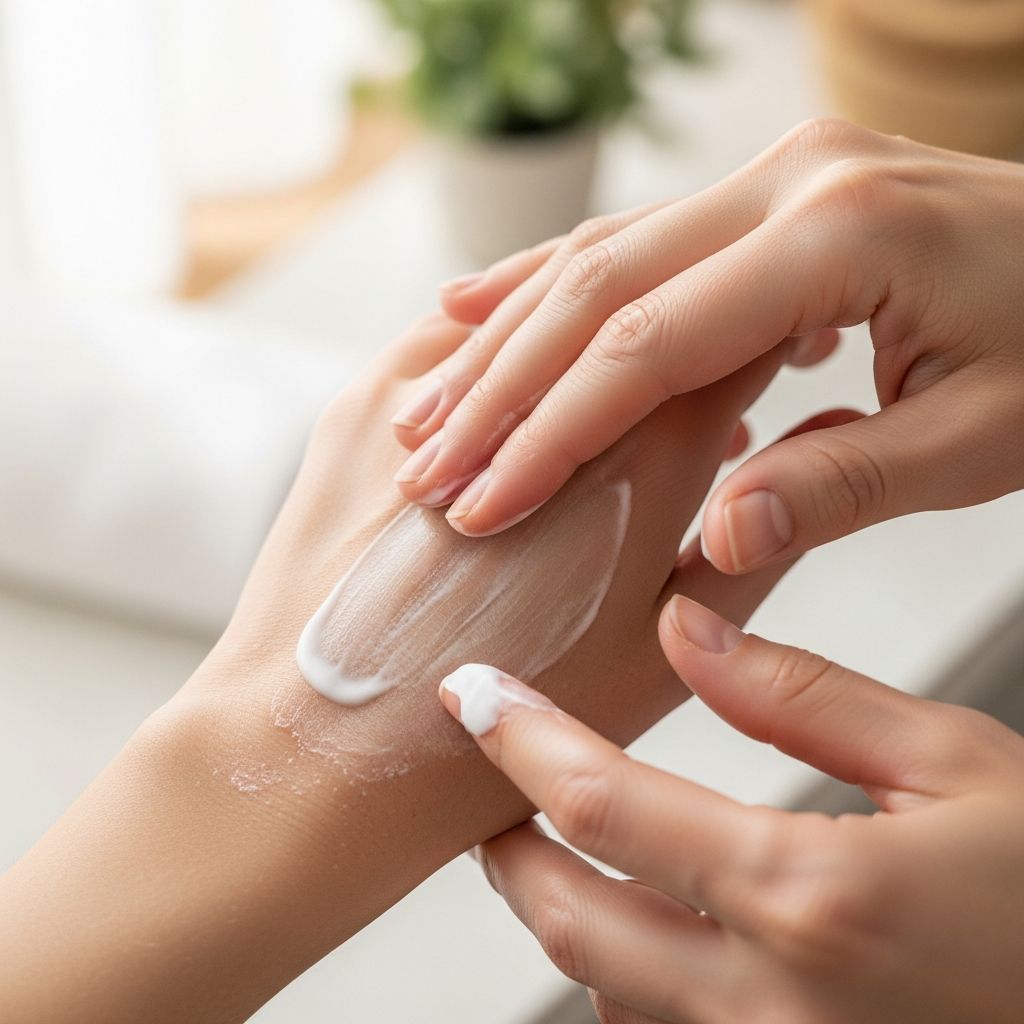
Emollient creams are specifically formulated to soften and moisturize dry skin by filling in cracks and creating a protective moisture-retaining layer. These products typically contain nourishing ingredients such as glycerin, shea butter, and lanolin. Emollients work by smoothing skin cells and restoring the skin’s natural barrier function. They are ideal for daily use and provide lasting hydration without feeling greasy or heavy.
Healing Ointments
Healing ointments are thicker, more concentrated formulations than regular creams and provide intense moisture and protection for severely dry hands. Products containing petroleum jelly and beeswax create a robust protective barrier that prevents moisture loss and shields skin from environmental damage. These ointments are particularly effective when applied before bedtime and covered with cotton gloves to enhance absorption and maximize healing overnight.
Related Stories



Barrier Creams
Barrier creams protect skin from irritants and allergens that can worsen dryness and cracking. These formulations often contain silicone or dimethicone, which form a protective layer over the skin’s surface. Barrier creams are especially valuable for individuals whose hands are regularly exposed to water, detergents, harsh chemicals, or extreme temperatures. They provide an extra layer of defense against environmental stressors that can compromise skin integrity.
Medicated Creams
For severe cases of dry hands, particularly when eczema or dermatitis is involved, medicated creams containing hydrocortisone or other mild steroids can reduce inflammation and accelerate healing. These products should only be used under professional medical guidance to avoid potential side effects and ensure appropriate treatment for underlying skin conditions. A dermatologist can recommend the right medicated cream and usage schedule for your specific situation.
Natural Remedies for Dry Hand Healing
Coconut Oil
Coconut oil is a natural moisturizer with antibacterial and anti-inflammatory properties that make it an excellent choice for healing dry hands. Its fatty acid composition helps restore the skin barrier while preventing bacterial infections. Apply coconut oil to clean, damp hands and allow it to absorb fully. For intensive overnight treatment, apply generously and cover hands with cotton gloves to enhance penetration.
Honey
Honey possesses natural antibacterial and wound-healing properties, making it an effective remedy for cracked hands. Apply a thin layer of raw honey directly to affected areas and cover with a bandage or gauze. Leave it on for several hours or overnight to allow the honey to soothe irritation, reduce inflammation, and promote healing. Honey also helps prevent secondary infections in cracked skin.
Other Natural Options
Additional natural remedies that support hand healing include olive oil, aloe vera gel, and avocado oil. These plant-based options provide natural emollients and anti-inflammatory compounds that support skin recovery. You can use them individually or combine them for enhanced effectiveness. Always test new products on a small area first to ensure you don’t have sensitivities.
Proper Hand Washing Technique for Healthy Hands
Maintaining clean hands while preventing excessive dryness requires following a specific washing and moisturizing protocol. The key is to balance hygiene with skin protection.
Step-by-Step Hand Washing Guide
Step 1: Rinse with Appropriate Water Temperature
Run your hands under clean, running water at a lukewarm or cool temperature. Avoid hot water, as it strips away natural oils and accelerates moisture loss from skin. The water temperature should feel comfortable but not warm enough to cause redness.
Step 2: Apply Gentle Soap
Turn off the tap and apply a mild, fragrance-free soap or cleanser to your hands. Choose products specifically formulated for sensitive or dry skin, as these are gentler than regular hand soaps. Avoid antibacterial soaps unless medically necessary, as they can be overly drying.
Step 3: Thorough Scrubbing
Scrub your hands thoroughly for at least 20 seconds, ensuring you cover all surfaces including palms, backs of hands, between fingers, under nails, and wrists. Proper technique ensures effective removal of germs and visible dirt while proper contact time kills disease-causing pathogens.
Step 4: Complete Rinsing
Rinse your hands under clean, running water until all soap residue is completely removed. Any remaining soap can continue to dry out your skin even after washing is complete.
Step 5: Strategic Drying
Pat your hands gently on a clean towel or allow them to air dry briefly. The key is to not let them dry completely—hands should remain slightly damp to the touch when you proceed to the next step. This moisture helps moisturizer penetrate more effectively.
Step 6: Immediate Moisturization
While your hands are still slightly damp, apply your chosen moisturizer generously and work it into all surfaces. This timing is critical because damp skin allows the moisturizer to seal in hydration more effectively than application to completely dry hands. The moisture trapped beneath the moisturizer layer prevents evaporation and promotes healing.
Building an Effective Daily Hand Care Routine
Morning and Evening Care
Establish a consistent routine by keeping a tube of moisturizer next to your sink as a visual reminder to apply it after every handwashing. Additionally, keep another moisturizer at your desk or bedside table for reapplication throughout the day and before sleep. Consistency is crucial for healing because continuous moisture replenishment prevents the drying cycle from recurring.
Intensive Overnight Treatment
For accelerated healing, apply a generous layer of rich moisturizer or healing ointment to your hands before bed. Then slip on a pair of cotton gloves and leave them on for at least 15-20 minutes, or ideally throughout the night. This overnight mask treatment significantly enhances moisturizer absorption and delivers intensive hydration. The gloves create a warm, humid microenvironment that allows active ingredients to penetrate deeply into skin layers.
Midday Refreshing
During the day, reapply moisturizer whenever your hands feel dry, tight, or parched. This might be several times throughout the workday depending on your environment and activities. Keeping a portable moisturizer with you ensures you can address dryness immediately rather than allowing it to worsen.
Protective Measures for Long-Term Hand Health
Using Protective Gloves
Wear gloves when performing household chores, doing dishes, gardening, or working with harsh chemicals. Gloves create a barrier between your skin and irritants, water, and temperature extremes that can exacerbate dryness. Choose cotton-lined gloves for comfort and breathability, and ensure they fit properly to avoid trapping sweat, which can cause irritation.
Avoiding Harsh Soaps and Detergents
Use mild, fragrance-free cleansers for hand washing rather than antibacterial or heavily perfumed products. Harsh soaps and detergents further strip natural oils and can trigger sensitivity reactions. Some people with severely dry hands benefit from cleansing oils or gentle cream-based cleansers that provide cleaning action without excessive drying.
Managing Environmental Factors
During winter or in dry climates, use a humidifier to increase ambient humidity and reduce moisture loss from skin. Maintain adequate hydration by drinking sufficient water, which supports skin moisture from the inside out. Reduce exposure to extreme temperatures and avoid prolonged contact with air conditioning or heating systems that dry out air.
Gentle Exfoliation
Periodically exfoliate your hands gently to remove dead skin cells that can interfere with moisturizer absorption. Use a mild scrub or create a gentle exfoliant using equal parts sugar and olive oil. Exfoliate only once or twice weekly, and discontinue immediately if your skin becomes irritated or inflamed. Over-exfoliation can worsen dryness and crack skin further.
When to Seek Professional Care
Most cases of dry hands improve with consistent moisturization and protective measures. However, consult a dermatologist if you experience severe cracking with bleeding, signs of infection, persistent redness and swelling, or symptoms that worsen despite proper home care. These signs may indicate underlying conditions like eczema, psoriasis, contact dermatitis, or fungal infection that require professional medical treatment.
A dermatologist can properly diagnose the cause of your dry hands and recommend prescription-strength treatments if necessary. They can also identify potential allergens or irritants contributing to your condition and provide personalized recommendations based on your skin type and medical history.
Frequently Asked Questions About Dry Hand Healing
Q: How long does it take to heal severely dry hands?
A: With consistent moisturization and protective measures, mild to moderate dryness typically improves within 1-2 weeks. Severe cracking may require 3-4 weeks or longer, particularly if there is open bleeding or signs of infection. Maintaining your routine even after improvement prevents relapse.
Q: Can I use the same moisturizer on my hands as my face?
A: Hand skin has different needs than facial skin due to thicker stratum corneum and fewer oil glands. While some moisturizers work on both areas, using a dedicated hand cream with richer emollients often provides better results for severely dry hands. Test facial moisturizers on your hands first to ensure they provide adequate hydration.
Q: What should I do if my hands become worse despite moisturizing?
A: Worsening dryness despite treatment suggests an underlying condition or irritant contact. Switch to fragrance-free, hypoallergenic products and wear gloves when exposing hands to water or chemicals. If the condition continues to worsen or spreads, consult a dermatologist for professional evaluation and treatment.
Q: Is it necessary to moisturize after every handwashing?
A: Yes, for optimal healing and prevention. Each time you wash your hands, you strip natural oils, so reapplying moisturizer immediately after washing helps restore the moisture barrier. This becomes especially important during winter or in low-humidity environments where dryness develops more rapidly.
Q: Are there any ingredients I should avoid when selecting hand moisturizers?
A: Avoid products containing alcohol, which is drying; heavy fragrances and parfum, which can irritate sensitive skin; and menthol or camphor, which can create a cooling sensation that feels drying. Stick with moisturizers containing proven hydrating ingredients like glycerin, hyaluronic acid, shea butter, and lanolin.
Q: Can dry hands affect my overall health beyond appearance?
A: Yes. Severely cracked hands create openings through the skin barrier that allow bacteria and other pathogens to enter, increasing infection risk. This is particularly concerning for people with weakened immune systems. Additionally, severe dryness can cause pain and functional limitations, affecting your ability to perform daily tasks comfortably.
Conclusion
Healing dry hands requires a multifaceted approach combining proper handwashing technique, strategic moisturization, protective measures, and consistency over time. By understanding the underlying causes of skin dryness and implementing evidence-based solutions, you can restore your hands to health and maintain soft, comfortable skin long-term. The key is finding the right balance between maintaining good hygiene and protecting your skin’s natural moisture barrier through deliberate moisturization timing and product selection. Start implementing these strategies today and notice improvement within days to weeks as your skin barrier repairs and moisture returns to your hands.
References
- How to Wash Your Hands & Heal Dry Hands from Overwashing — Neutrogena. April 16, 2023. https://www.neutrogena.com/the-bar/how-to-wash-your-hands-heal-dry-hands-from-overwashing
- Effective Remedies for Cracked Hands: Best Creams and Natural Treatments — Mama Health. Retrieved December 2025. https://www.mamahealth.com/hand-eczema/healing
- Hand Hygiene and Skin Health — Centers for Disease Control and Prevention. U.S. Department of Health & Human Services. https://www.cdc.gov/hygiene/personal-hygiene/index.html
- Skin Barrier Function and Moisture Retention — Harvard Medical School. Retrieved December 2025. https://www.health.harvard.edu/staying-healthy/skin-health
- Pathophysiology and Prevention of Cracked Skin — Mayo Clinic. Retrieved December 2025. https://www.mayoclinic.org/diseases-conditions/dry-skin/symptoms-causes/syc-20353885
Similar Articles








Read full bio of medha deb