How To Heal Your Gut: 5 Steps With The 5R Program
Restore digestive health with science-backed strategies for optimal gut wellness.
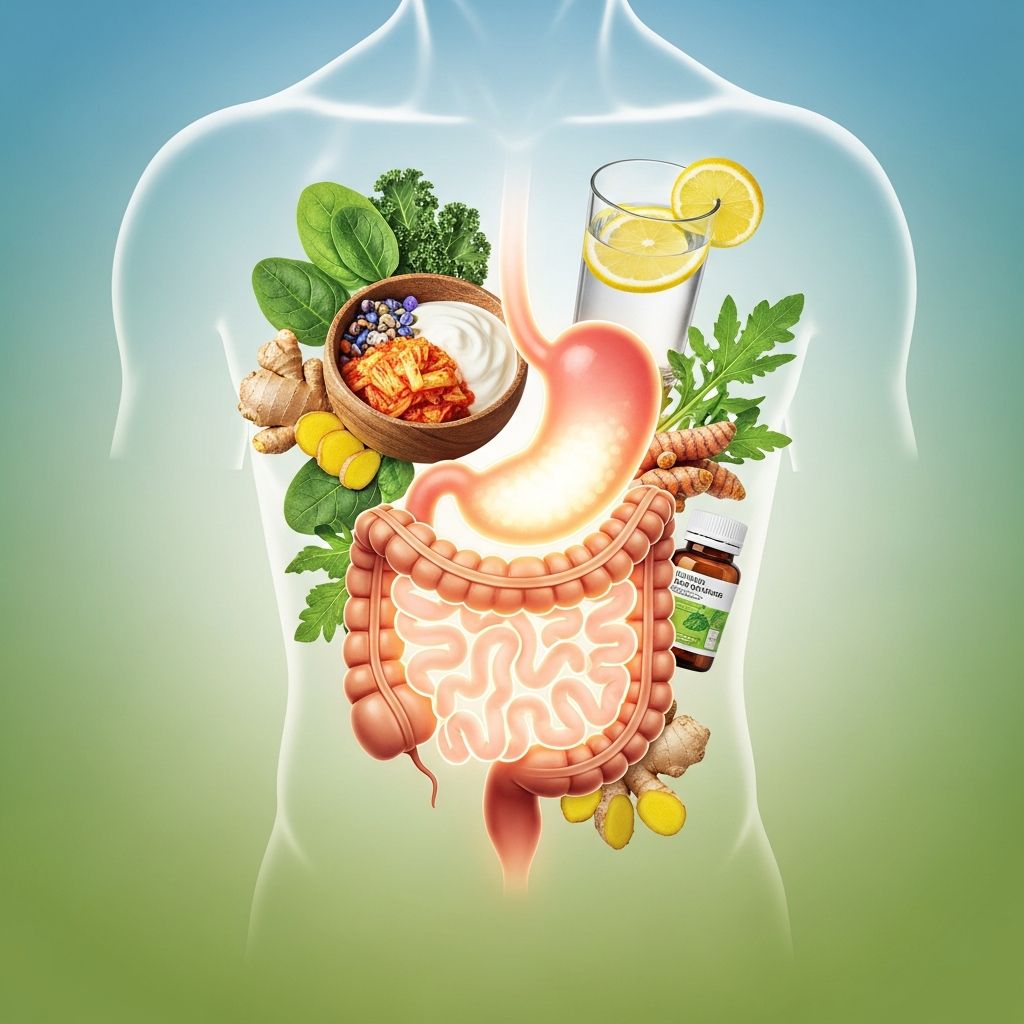
Your gut is far more than a digestive organ—it’s a complex ecosystem that influences your immune function, mental health, and overall well-being. The gastrointestinal tract is home to trillions of microorganisms, collectively known as the gut microbiome, which play essential roles in breaking down food, absorbing nutrients, and protecting you from harmful pathogens. When your gut health deteriorates, it can trigger a cascade of problems throughout your body, from inflammatory bowel disease and irritable bowel syndrome to allergies and mental health disorders. Understanding how to heal your gut is therefore a critical step toward achieving optimal health.
Understanding Your Gut Microbiome
The gut microbiome is an intricate network of bacteria, viruses, fungi, and other microorganisms that reside in your digestive tract. These microscopic inhabitants are not invaders—they are essential partners in maintaining your health. Your microbiome supports digestion by breaking down complex carbohydrates and fibers that your own enzymes cannot process. It also synthesizes vitamins, strengthens your intestinal barrier, trains your immune system, and produces neurotransmitters that influence mood and cognition.
However, modern lifestyle factors—including processed foods, antibiotics, stress, poor sleep, and environmental toxins—can disrupt this delicate balance. This disruption, called dysbiosis, occurs when harmful bacteria outweigh beneficial ones, leading to inflammation, intestinal permeability (often called leaky gut), and systemic health problems. Dysbiosis has been linked to digestive issues, weakened immunity, skin problems, mental health challenges, cardiovascular disease, metabolic dysfunction, hormonal imbalances, and even cancer risk.
The Problem: Leaky Gut and Dysbiosis
A healthy intestinal lining acts as a selective barrier, allowing nutrients to pass through while keeping harmful substances out. When this lining becomes compromised—a condition known as intestinal permeability or leaky gut—bacteria, toxins, and partially digested food particles can cross into the bloodstream, triggering systemic inflammation and immune dysfunction. This inflammatory cascade can manifest in unexpected ways throughout your body, affecting your skin, joints, mood, and cardiovascular health.
Dysbiosis and leaky gut often develop together, creating a self-perpetuating cycle. An imbalanced microbiome produces fewer beneficial compounds like short-chain fatty acids, which are essential for maintaining intestinal barrier integrity. Meanwhile, pathogenic bacteria produce toxins that further damage the gut lining, worsening permeability and allowing more harmful substances to enter circulation.
The 5R Framework: A Root-Cause Approach to Gut Healing
Healing your gut requires a systematic, evidence-based approach. The 5R program is a comprehensive framework designed to address the root causes of gut dysfunction rather than merely treating symptoms. This structured protocol removes harmful factors, replaces missing components, reinoculates beneficial bacteria, repairs the gut lining, and rebalances lifestyle factors.
Step 1: Remove
The first phase of gut healing involves eliminating factors that damage your digestive system. This includes:
- Harmful foods: Processed foods, added sugars, refined carbohydrates, and potentially triggering foods such as gluten and dairy should be temporarily removed to allow your gut to heal.
- Toxins and allergens: Environmental toxins, common food allergens, and irritating substances place stress on your digestive system and perpetuate inflammation.
- Trigger foods: Foods that upset your individual stomach should be eliminated. If you experience symptoms like bloating, gas, or discomfort after eating certain foods—such as gluten—it’s wise to avoid them, even if you don’t have a diagnosed condition like celiac disease.
Related Stories



A practical elimination approach involves removing common trigger foods like gluten, dairy, and high-FODMAP foods for 6–8 weeks, then gradually reintroducing them to identify which ones personally affect you. This systematic process helps pinpoint your individual food sensitivities and prevents unnecessary dietary restrictions.
Step 2: Replace
While removing harmful foods, you must simultaneously replace what’s missing. Many people with compromised gut health have reduced digestive capacity due to insufficient stomach acid, enzymes, or bile production. To address this:
- Digestive enzymes: These support the breakdown of proteins, fats, and carbohydrates, reducing the burden on a damaged digestive system.
- Bile salts: Adequate bile is necessary for properly digesting fats. Bile production is stimulated by healthy dietary fats, adequate fiber, proper hydration, bitter foods like dandelion and cruciferous vegetables, and targeted bile supplements if needed.
- Hydration: Drinking plenty of water supports digestive function and helps fiber do its job effectively.
Step 3: Reinoculate
Once you’ve removed harmful factors and replaced what’s missing, the next step is to reintroduce beneficial bacteria. Probiotics are live microorganisms that help restore a healthy balance of gut microbiota. Effective probiotic strains include Bifidobacterium and Lactobacillus, which improve digestion and support immune function.
When starting probiotics, gastroenterologists recommend beginning with a trial period, particularly if you experience unexplained diarrhea, bloating, and gas. If symptoms improve, you can experiment with dosing—for example, reducing from daily to every other day or every third day to find your optimal maintenance dose. Additionally, consider prebiotics, which are undigestible carbohydrates found in whole foods that feed your beneficial bacteria and help them thrive. Synbiotics—combinations of probiotics and prebiotics—offer synergistic benefits by providing both the beneficial bacteria and their preferred food source.
Step 4: Repair
The repair phase focuses on healing the compromised intestinal lining. Key strategies include:
- Whole foods diet: A diet rich in vitamins and minerals from fruits, vegetables, lean proteins, and healthy fats provides the building blocks necessary for tissue repair and reduces processed foods, excessive sugar, alcohol, and inflammatory substances.
- Targeted nutrients: L-glutamine (5–10 grams daily) is an amino acid that specifically supports gut lining repair and reduces inflammation. Omega-3 fatty acids (1–3 grams daily) combat inflammation and support gut integrity. Quercetin (500–1,000 mg daily) provides antioxidant protection and strengthens the intestinal barrier.
- Herbal remedies: Aloe vera and slippery elm possess anti-inflammatory properties that soothe the digestive tract.
- Anti-inflammatory compounds: Curcumin (500–1,000 mg daily), the active component of turmeric, reduces gut inflammation and oxidative stress. Peppermint oil soothes digestive muscles, reducing pain, bloating, and urgency.
Step 5: Rebalance
The final step involves restoring overall balance by addressing lifestyle factors that impact gut health. This includes managing stress through meditation or exercise, prioritizing 7–9 hours of quality sleep nightly, maintaining a consistent exercise routine, and drinking adequate water throughout the day. These foundational habits support your microbiome diversity and reduce systemic inflammation.
Dietary Strategies for Gut Healing
Your diet is perhaps the most powerful tool for healing your gut. Physicians universally recommend eating a well-balanced diet rich in fiber and vitamins from fruits and vegetables while limiting processed foods. Here are key dietary strategies:
Increase Fiber Gradually
Fiber is hydrophilic, meaning it attracts water. For those with diarrhea or loose stools, fiber absorbs excess water, making stools firmer and more manageable. For those with constipation, fiber retains water within the stool, keeping it softer and easier to pass. However, increase fiber gradually to avoid bloating and digestive distress. A high-fiber diet benefits both extremes of the digestive spectrum.
Identify and Avoid Trigger Foods
Common food sensitivities include gluten and dairy, though individual responses vary widely. If a food bothers your stomach, the most practical advice is simple: stay away from it. While researchers continue developing better diagnostic tests, listening to your body’s signals remains essential. Nonceliac gluten sensitivity, for instance, is real—if you feel worse after eating gluten and better when you avoid it, that’s your body providing clear feedback.
Focus on Nutrient Density
Rather than counting calories, prioritize nutrient density. Emphasize vitamin and mineral-rich foods from fruits and vegetables, high-quality proteins, and healthy fats from sources like fish, nuts, seeds, and avocados. These nutrient-dense foods provide the cofactors your body needs for repair and recovery while avoiding the inflammatory effects of processed foods laden with seed oils, refined sugars, and artificial additives.
When to Seek Professional Help
While many gut health issues respond well to dietary and lifestyle interventions, certain situations warrant professional evaluation. Gastroenterologists may recommend diagnostic testing like fecal calprotectin—a stool marker that indicates inflammation in the colon—to rule out serious conditions like inflammatory bowel disease or colon cancer before implementing treatment strategies. If you experience persistent symptoms or don’t improve with home-based interventions, consulting a healthcare provider is important.
Key Takeaways for Gut Healing
- Your gut microbiome profoundly influences your entire body—not just digestion, but immunity, mood, and systemic health.
- Dysbiosis and leaky gut can develop from modern lifestyle factors and create widespread health problems.
- The 5R framework—Remove, Replace, Reinoculate, Repair, and Rebalance—provides a systematic approach to restoring gut health.
- Probiotics and prebiotics support a healthy microbial balance, particularly when paired with dietary changes.
- A whole-foods diet emphasizing fiber, vitamins, and minerals while avoiding personal trigger foods is foundational.
- Targeted supplements like L-glutamine, omega-3 fatty acids, and curcumin support intestinal healing.
- Lifestyle factors including stress management, sleep quality, and exercise significantly impact your microbiome.
Frequently Asked Questions
Q: How long does it take to heal your gut?
A: Gut healing timelines vary individually, but most people notice improvements within 4–12 weeks of consistently following the 5R approach. However, more significant healing may take 3–6 months or longer depending on the severity of dysbiosis and leaky gut.
Q: Are probiotics safe for everyone?
A: Probiotics are generally safe for most people and can be trialed to see if they reduce symptoms like bloating, gas, and diarrhea. However, individuals with severely compromised immune systems should consult their healthcare provider before starting probiotics.
Q: What’s the difference between prebiotics and probiotics?
A: Probiotics are live beneficial bacteria that colonize your gut, while prebiotics are undigestible carbohydrates that feed and nourish those beneficial bacteria. Together, they work synergistically to restore a healthy microbiome.
Q: Do I need to avoid all gluten if I want to heal my gut?
A: Not necessarily. If gluten doesn’t bother you, there’s no reason to eliminate it. However, if you notice that eating gluten causes symptoms, it’s wise to avoid it during your elimination phase and potentially reintroduce it later to determine your personal tolerance.
Q: Can supplements alone heal my gut?
A: No. While targeted supplements support gut repair, they work best as part of a comprehensive approach that includes dietary changes, removal of trigger foods, adequate sleep, stress management, and exercise.
References
- Gut Health 101: A Comprehensive Guide — Function Health. 2025. https://www.functionhealth.com/guides/gut-health-101
- What Doctors Wish Patients Knew About Improving Gut Health — American Medical Association (AMA). 2024. https://www.ama-assn.org/public-health/prevention-wellness/what-doctors-wish-patients-knew-about-improving-gut-health
Similar Articles








Read full bio of Sneha Tete