How to Help Your Child Cope with Exam Stress
Practical strategies for parents to support children through exam season and reduce academic stress.

Exam periods can be challenging times for both children and parents. The pressure to perform well academically can lead to increased stress, anxiety, and worry. As a parent, understanding how to support your child through these demanding periods is essential for their well-being and academic success. This guide provides practical strategies to help your child manage exam stress effectively and maintain their physical and mental health.
Watch for Signs of Stress
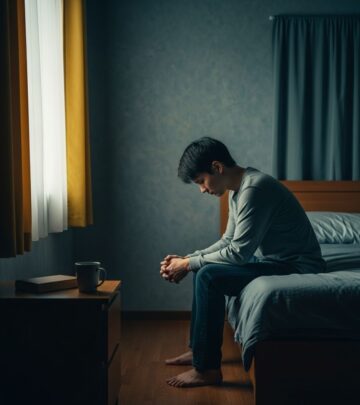
The first step in helping your child cope with exam stress is recognizing when they are struggling. Children and teenagers may express stress in different ways, and it’s important to be observant of changes in their behavior and mood. Some common signs that your child may be experiencing exam-related stress include irritability, anxiety, difficulty concentrating, changes in sleep patterns, loss of appetite, or withdrawal from social activities. If your child exhibits these signs, it’s crucial to address their concerns and provide support. Open communication is key—encourage your child to talk about what’s worrying them and listen without judgment. Simply acknowledging their feelings can help them feel supported and understood during this challenging time.
Make Sure Your Child Eats Well
Proper nutrition plays a vital role in supporting your child’s physical health and mental well-being during exam periods. A balanced diet provides the energy and nutrients necessary for concentration, memory, and emotional regulation. When children are stressed, they may neglect healthy eating habits or reach for convenient but unhealthy options.
Some parents find that high-fat, high-sugar, and high-caffeine foods and drinks can make their children hyperactive, irritable, and moody. Energy drinks, cola, sweets, chocolate, burgers, and chips may provide temporary energy boosts but can lead to crashes that worsen stress and anxiety. Instead, encourage your child to consume nutrient-dense foods including fruits, vegetables, whole grains, lean proteins, and dairy products that support sustained energy and cognitive function.
To make healthy eating more engaging, involve your child in grocery shopping and encourage them to choose nutritious snacks they enjoy. This involvement not only promotes better food choices but also gives them a sense of control during a stressful period. Keep healthy snacks readily available such as nuts, yogurt, fresh fruit, and whole-grain crackers to make nutritious options convenient and appealing.
Help Your Child Get Enough Sleep
Good sleep is one of the most important factors in managing exam stress and supporting academic performance. During sleep, the brain consolidates memories, processes information, and restores emotional regulation. Most teenagers need 8 to 10 hours of sleep per night to function optimally. When children are stressed about exams, they may sacrifice sleep to study longer, but this approach typically backfires.
Cramming all night before an exam is usually counterproductive. Sleep deprivation impairs concentration, memory recall, and decision-making—all critical skills needed during exams. A well-rested child will perform significantly better than one who has sacrificed sleep for last-minute studying.
To help your child achieve better sleep, establish a relaxing bedtime routine. Allow approximately 30 minutes for your child to wind down between studying, watching television, or using a computer and going to bed. This transition time helps the mind and body prepare for rest. Encourage them to avoid screens before bedtime, as the blue light emitted by devices can interfere with sleep quality. Create a comfortable sleep environment that is dark, quiet, and cool to promote restful sleep.
Related Stories



Encourage Exercise During Exams
Physical activity is a powerful stress-relief tool that can significantly benefit your child during exam periods. Exercise helps boost energy levels, clears the mind, and releases endorphins—natural chemicals that improve mood and reduce stress. The form of exercise doesn’t matter as much as ensuring your child stays active and engaged in movement.
Encourage your child to participate in activities they enjoy, such as walking, cycling, swimming, football, dancing, or any sport that appeals to them. Activities that involve other people can be particularly helpful, as they provide social support and distraction from academic worries. Even short movement breaks during study sessions can refresh the mind and body, improving focus and productivity. Exercise doesn’t need to be intense or time-consuming; even a 20-minute walk or a quick dance session can significantly reduce stress levels.
Be Flexible During Exams
During intense exam periods, it’s important to adjust your expectations regarding household responsibilities. When your child is revising all day, don’t worry about household jobs left undone or untidy bedrooms. Temporarily relaxing these expectations allows your child to focus their energy and attention on their studies without additional guilt or stress about chores.
Your own attitude during this time also matters significantly. Staying calm yourself can help your child remain calm and focused. Remind yourself that exams do not last forever and maintain perspective about the temporary nature of this stressful period. Your composure and reassurance can provide significant emotional support that helps your child navigate the challenges of exam season.
Practice Relaxation Techniques
Teaching your child relaxation techniques can provide them with practical tools to manage stress and anxiety whenever they feel overwhelmed. Several evidence-based relaxation methods can be incorporated into daily routines to promote mental well-being and focus.
Deep Breathing: Deep breathing exercises are simple yet highly effective for calming the mind and body. Teach your child to practice belly breathing by lying down or sitting with feet flat on the ground. Have them place one hand on their belly and another on their chest. They should take a deep breath in through their nose, allowing their belly to expand while keeping the hand on their chest still. They can then exhale slowly through pursed lips, feeling their stomach flatten. This technique can be practiced for just a few minutes several times daily to reduce stress and anxiety.
Mindfulness Meditation: Mindfulness meditation involves focusing attention on the present moment without judgment. This practice can help your child cultivate awareness, enhance concentration, and improve emotional regulation. Even 5-10 minutes of guided meditation can help calm the mind and reduce exam-related anxiety.
Progressive Muscle Relaxation: This technique involves systematically tensing and releasing different muscle groups throughout the body. By focusing on the sensations of tension and relaxation, your child can learn to recognize where stress manifests physically and how to consciously release it. This practice helps calm both the body and mind and increases awareness of stress-related physical tension.
Visualization: Encourage your child to imagine a calm, peaceful place—perhaps a beach, forest, or mountain setting. As they visualize this special place in detail, they should notice how their breathing slows and their muscles relax. This mental escape can provide temporary relief from exam stress and anxiety.
Encourage your child to experiment with different relaxation techniques to discover which ones work best for them, then incorporate these practices into their daily routine.
Encourage Open Communication
Creating an open and supportive environment for communication is fundamental to helping your child manage exam stress. Children need to feel comfortable sharing their concerns, fears, and worries without fear of judgment or criticism. When your child wants to talk about their exams, listen actively and with empathy. Show understanding by acknowledging their feelings and validating their concerns, even if you think their worries are unfounded.
Avoid criticizing or judging your child’s academic performance or effort. Instead of focusing on grades or perceived failures, emphasize the importance of effort and progress. Help your child develop a growth mindset by encouraging them to view challenges as opportunities for learning and improvement rather than as threats or measures of their worth. When your child does well, celebrate their achievements regardless of the specific outcome. This positive reinforcement boosts confidence and motivation while reducing the pressure they feel.
Set Realistic Expectations
Unrealistic academic expectations can significantly increase stress and anxiety. Help your child set achievable goals that focus on effort and improvement rather than perfection. Discuss with them what they can realistically accomplish given their abilities, available study time, and other commitments. Emphasize that grades do not define their worth as a person and that their well-being is more important than achieving top marks.
Help your child understand that making mistakes and facing challenges are normal parts of learning. Rather than viewing poor performance as failure, frame it as an opportunity to identify areas for improvement and develop better study strategies. This perspective helps reduce the fear and anxiety associated with exams.
Make Time for Treats and Rewards
During stressful exam periods, incorporating small treats and rewards can help maintain your child’s motivation and provide positive reinforcement. Work with your child to identify rewards for completing revision sessions and getting through each exam. Importantly, rewards do not need to be big or expensive. Simple treats can be just as meaningful—making their favorite meal, watching their favorite television show, playing a game together, or enjoying a special outing can all serve as effective rewards.
When the exams are finally over, help your child celebrate their accomplishment by organizing an end-of-exams treat. This celebration acknowledges their hard work and effort while providing closure to the stressful exam period. It also gives them something positive to look forward to, which can help maintain motivation throughout exam season.
After Each Exam
Once your child has completed an exam, encourage them to talk it through with you. However, focus the discussion on the parts that went well rather than dwelling on questions they found difficult or made mistakes on. This positive focus helps prevent rumination and anxiety about past performance. After discussing what went well, encourage your child to move on mentally and focus on preparing for the next test rather than endlessly analyzing performance that cannot be changed. This forward-looking approach helps reduce stress and maintains motivation for upcoming exams.
Model Healthy Coping Strategies
Children learn a great deal by observing their parents and caregivers. Model healthy coping strategies by talking with your child about how you think about and deal with your own stressful situations. Share stories about times you’ve faced challenges and the strategies you used to manage stress. Demonstrate that stress is a normal part of life and that there are healthy ways to manage it. Your example helps your child develop their own healthy coping mechanisms.
Frequently Asked Questions
How much sleep does my child need during exam season?
Most teenagers need 8 to 10 hours of sleep per night to support optimal cognitive function, memory consolidation, and emotional regulation. Adequate sleep is especially important during exam periods when the brain is working intensely to process and retain information.
What foods should I avoid giving my child during exams?
Limit high-fat, high-sugar, and high-caffeine foods and drinks such as energy drinks, cola, sweets, chocolate, burgers, and chips, as these can make children hyperactive, irritable, and moody. Instead, focus on balanced, nutrient-dense foods that provide sustained energy and support concentration.
How can I help my child manage test anxiety?
Teaching your child relaxation techniques such as deep breathing, mindfulness meditation, and progressive muscle relaxation can help manage test anxiety. Additionally, encourage positive self-talk, realistic expectations, and open communication about their concerns and worries.
What types of exercise are best for reducing exam stress?
Any form of physical activity your child enjoys can help reduce exam stress. Walking, cycling, swimming, dancing, team sports, and yoga are all effective. Activities involving other people can be particularly beneficial as they provide social support and distraction.
How should I respond if my child is struggling emotionally during exams?
Listen actively, validate their feelings, and avoid judgment or criticism. Offer reassurance and support, help them set realistic expectations, and consider seeking professional help from a school counselor or mental health professional if stress becomes overwhelming or persistent.
Should I help my child study for exams?
You can offer support by asking how you can best help—this might include reviewing material together, creating study schedules, providing quiet study space, or handling household tasks to free up their study time. However, avoid taking over their studying, as they need to develop their own learning strategies.
References
- Help your child beat exam stress — NHS. 2024. https://www.nhs.uk/mental-health/children-and-young-adults/advice-for-parents/help-your-child-beat-exam-stress/
- 7 Stress Relief Techniques for Kids — CHOC Children’s Health Hub. 2024. https://health.choc.org/7-stress-relief-techniques-for-kids/
- Exam Stress: Tips for Students and Parents — Annapolis Counseling Center. 2024. https://annapoliscounselingcenter.com/exam-stress-tips-for-students-and-parents/
- Study Strategies to Decrease Stress During Exams — Michigan State University Extension 4-H Healthy Youth. 2024. https://www.canr.msu.edu/news/study-strategies-to-decrease-stress-during-exams
- How to Help Children and Teens Manage Their Stress — American Psychological Association. 2024. https://www.apa.org/topics/children/stress
- Tips to Support Your Kids Through Exam Season — Psychology Today. 2021-05-01. https://www.psychologytoday.com/us/blog/whats-parent-do/202105/tips-support-your-kids-through-exam-season
- How To Deal with Exam Stress — YoungMinds. 2024. https://www.youngminds.org.uk/young-person/coping-with-life/exam-stress/
Similar Articles








Read full bio of medha deb