How to Help Someone with a Migraine
Practical steps to support loved ones during debilitating migraine attacks, from recognizing symptoms to long-term prevention strategies.
Migraines affect millions worldwide, causing intense throbbing pain, nausea, and sensitivity to light and sound that can last hours or days. Knowing how to support someone during an attack can make a significant difference in their comfort and recovery.
Recognizing Migraine Symptoms
Migraines often begin with an
aura
—visual disturbances like flashing lights or zigzag lines—or subtle prodrome signs such as mood changes, food cravings, or yawning hours before the headache starts. The main attack involves unilateral pulsing pain, often worsening with activity, accompanied by nausea, vomiting, andphotophobia
(light sensitivity) orphonophobia
(sound sensitivity). Some people experiencevertigo
or dizziness.Not all migraines follow this pattern; some are
silent
without headache but with aura or other symptoms. Early recognition helps you act quickly to minimize suffering.Immediate Steps: Create a Supportive Environment
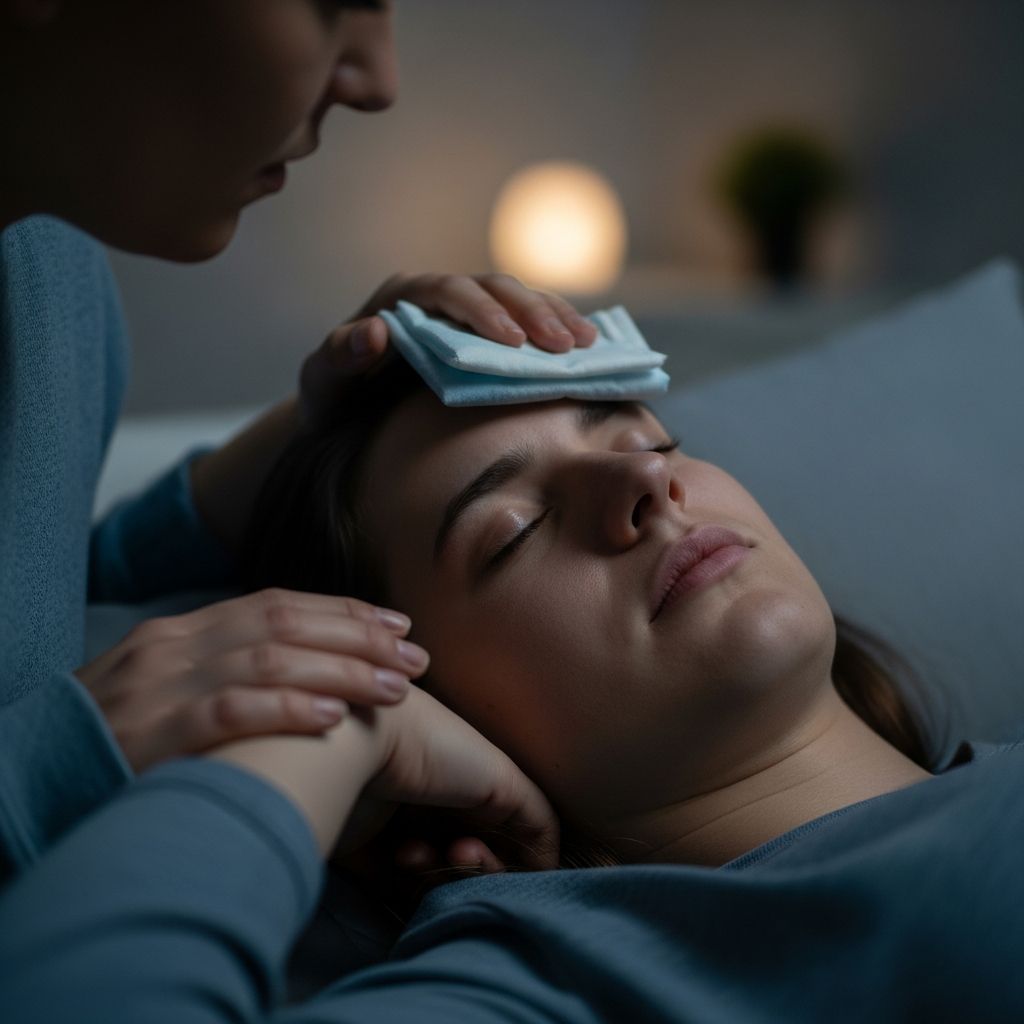
When a migraine strikes, prioritize dimming lights, silencing noises, and ensuring a quiet, dark room. Help them lie down in a cool, comfortable space—use blackout curtains, earplugs, or a sleep mask if available. Offer a cool compress on the forehead or neck to soothe pain.
- Turn off lights, TVs, and devices to reduce sensory overload.
- Close doors and windows to block external noise.
- Provide a damp cloth or ice pack wrapped in fabric for 15-20 minutes.
- Ensure fresh air circulation without drafts.
Medication and Hydration Assistance
Ask if they need their prescribed
triptans
(e.g., sumatriptan) or over-the-counter options like ibuprofen or acetaminophen—administer promptly at onset for best results. Avoid suggesting unproven remedies without their input.Dehydration worsens migraines, so gently offer small sips of water, electrolyte drinks, or ginger tea to combat nausea. Track intake to prevent overhydration.
| Common Acute Treatments | Dosage Guidance | Notes |
|---|---|---|
| Triptans | As prescribed | Fastest relief for moderate-severe attacks |
| NSAIDs (e.g., Ibuprofen) | 400-600mg | Early use; avoid if stomach issues |
| Antiemetics (e.g., Metoclopramide) | As prescribed | For nausea |
Providing Comfort and Physical Relief
Gently massage temples, neck, or shoulders using light pressure—avoid vigorous rubbing. A warm bath or shower can relax tense muscles if they can tolerate it. Elevate their head slightly to ease nausea.
- Apply gentle acupressure to points like the webbing between thumb and index finger.
- Offer a heating pad on non-painful areas.
- Help with repositioning for comfort without jarring movements.
Emotional Support During the Attack
Migraines cause frustration and isolation; simply being present without pressure speaks volumes. Say, “I’m here for you—tell me what helps.” Reassure them it’s not “just a headache” and validate their pain. Avoid dismissive phrases like “push through it.”
Respect their need for solitude if preferred, checking in quietly. Emotional support reduces anxiety, which can prolong attacks.
Post-Attack Recovery Support
After the headache subsides, there’s often a
postdrome
phase of fatigue, irritability, or brain fog lasting up to 48 hours. Encourage rest, nutritious meals, and hydration. Prepare light foods like bananas or toast to restore energy without overwhelming digestion.Help track the episode in a headache diary: onset time, triggers, symptoms, and relief methods. This aids pattern recognition.
Long-Term Help: Prevention Strategies
Assist with
lifestyle modifications
proven effective for migraine prevention. Promote consistent sleep (7-9 hours nightly), regular meals to stabilize blood sugar, and moderate exercise like walking or yoga.Stress management is key—guide them in relaxation techniques such as deep breathing or progressive muscle relaxation. Weight control reduces attack frequency, especially if overweight.
- Sleep hygiene: Fixed bedtime, no screens 1 hour before bed, cool dark room.
- Diet: Avoid triggers like caffeine excess, alcohol, aged cheeses; eat every 3-4 hours.
- Exercise: 30 minutes most days, avoiding overexertion.
Non-Pharmacological Therapies to Encourage
Support behavioral therapies with strong evidence:
biofeedback
trains control over physiological responses like muscle tension;cognitive behavioral therapy (CBT)
addresses pain perception and triggers; mindfulness-based stress reduction lowers attack frequency.Neurostimulation devices like Cefaly (transcutaneous electrical nerve stimulation) offer level A evidence for prevention, safe during pregnancy. Discuss with their doctor.
Patient education empowers: explain migraines are neurological, not psychological, and controllable via triggers management.
| Non-Pharmacological Approach | Benefits | Evidence Level |
|---|---|---|
| Biofeedback & Relaxation | Reduces attack frequency by 50% in some | Strong (Level A) |
| Mindfulness/CBT | Improves coping, lowers stress | Moderate |
| Neurostimulation (e.g., Cefaly) | Drug-free prevention | Level A |
| Lifestyle Mods (sleep, diet) | Prevents medication overuse headache | Strong |
Recognizing When to Seek Emergency Help
Most migraines resolve at home, but urge medical attention for “red flags”: sudden “thunderclap” onset, neurological deficits (weakness, vision loss beyond aura), fever, stiff neck, or worst-ever headache. If medication overuse is suspected (frequent acute meds), consult a specialist to break the cycle.
- Confusion, seizures, or loss of consciousness.
- Headache with high fever or rash.
- No improvement after 72 hours or unusual symptoms.
Supporting Medication Overuse Headache (MOH) Management
MOH occurs from frequent painkiller use (>10-15 days/month). Help by tracking intake, supporting withdrawal under medical guidance, and reinforcing preventives. Psychological support aids adherence.
Building a Support Network
Encourage workplace accommodations like flexible hours or quiet spaces. Foster family communication—social support improves outcomes. Join migraine communities for shared tips.
Frequently Asked Questions (FAQs)
What should I not say to someone with a migraine?
Avoid “It’s just a headache,” “Have you tried [remedy]?” or “You don’t look sick.” These invalidate their experience.
Can caffeine help or hurt during a migraine?
Small amounts may aid absorption of pain meds; excess can trigger or worsen attacks.
How can I help prevent my partner’s migraines?
Track triggers together, promote routines, and attend doctor visits for personalized plans.
Are essential oils effective for migraines?
Peppermint or lavender may offer mild relief via aromatherapy, but evidence is anecdotal—use cautiously.
What role does diet play in migraines?
Consistent meals prevent low blood sugar triggers; common culprits include MSG, alcohol, and artificial sweeteners.
Empowering Long-Term Management
Help them build a migraine action plan: emergency kit (meds, compress, sunglasses), trigger diary app, and preventive regimen. Regular check-ins with neurologists ensure optimized care. By combining empathy, practical aid, and proactive prevention, you become an invaluable ally in their journey.
Non-pharmacological strategies shine by avoiding medication side effects, reducing costs, and enhancing drug efficacy when combined. They suit pregnancy, contraindications, or poor responders.
References
- Migraine management: Non-pharmacological points — PMC/NCBI. 2022-11-15. https://pmc.ncbi.nlm.nih.gov/articles/PMC9691984/
- Migraine: Nonpharmacologic Treatment — American Academy of Family Physicians (AAFP). 2024-05-01. https://www.aafp.org/pubs/afp/issues/2024/0500/migraine-nonpharmacologic-treatment.html
- Behavioral Therapies for Migraine — American Headache Society. 2023-08-10. https://americanheadachesociety.org/news/behavioral-therapies-for-migraine/
- Non-drug options for migraine prevention — Mayo Clinic. 2025-02-20. https://www.mayoclinic.org/diseases-conditions/migraine-headache/in-depth/migraine-treatment/art-20047242
- Guidelines for Noninvasive Neuromodulation in Migraine — International Headache Society. 2024-11-05. https://ihs-headache.org/guidelines/
Similar Articles






Read full bio of Sneha Tete