How To Help Someone With A Migraine: 5 Immediate Steps
Learn practical steps to support loved ones during migraine attacks, from recognizing symptoms to providing relief and prevention strategies.
Migraines affect millions worldwide, causing intense pain, sensitivity, and disruption. Knowing how to support someone during an attack can significantly ease their suffering and speed recovery. This guide outlines recognizing symptoms, offering immediate aid, aiding recovery, and promoting prevention through non-pharmacological strategies.
Recognizing Migraine Symptoms
Migraines often extend beyond simple headaches, featuring throbbing pain, nausea, and sensory sensitivities. Early identification allows timely intervention.
- Throbbing or pulsing pain: Typically one-sided, lasting 4-72 hours if untreated.
- Sensitivity to light (photophobia) and sound (phonophobia): Bright lights or noise exacerbate discomfort.
- Nausea or vomiting: Gastrointestinal upset accompanies many attacks.
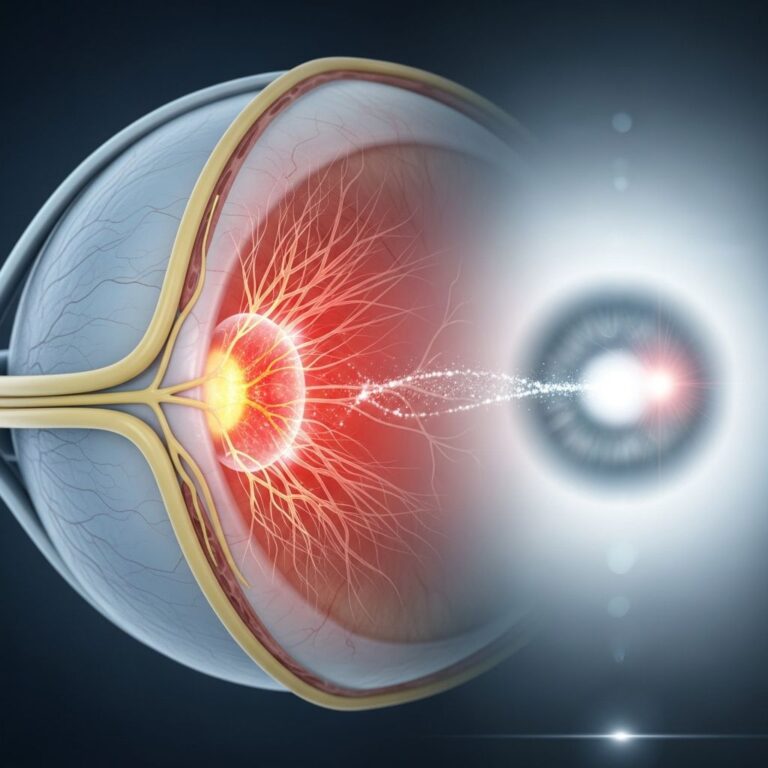
- Aura symptoms: Visual disturbances like flashing lights or zigzag lines precede pain in about 25-30% of cases.
- Fatigue and mood changes: Pre-attack irritability or post-attack exhaustion are common.
These symptoms distinguish migraines from tension headaches, which feel like a tight band without nausea. Educating yourself helps respond effectively.
Immediate Help During an Attack
When a migraine strikes, quick action minimizes severity. Focus on comfort and trigger reduction.
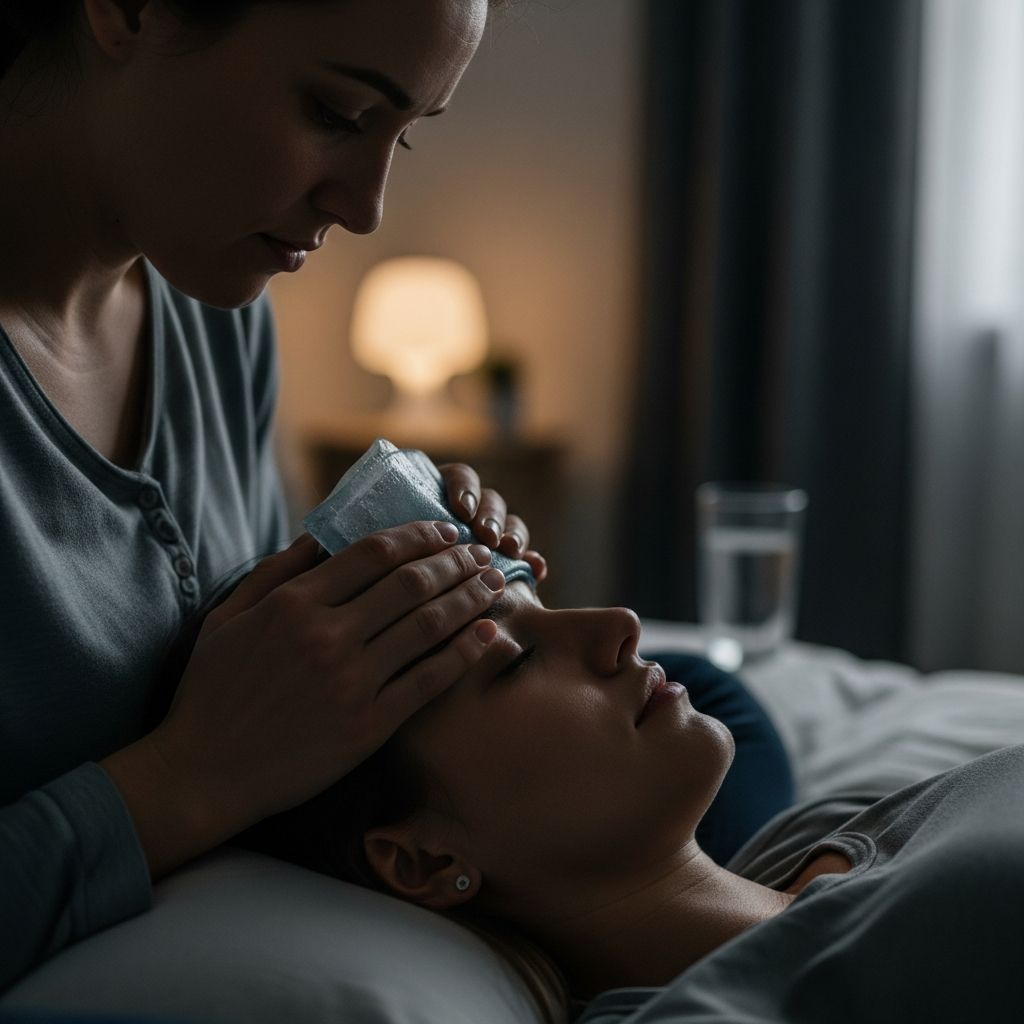
- Dim the lights and reduce noise: Guide them to a dark, quiet room to alleviate photophobia and phonophobia.
- Apply a cold compress: Place on the forehead or neck to constrict blood vessels and numb pain.
- Encourage hydration: Dehydration worsens migraines; offer water or electrolyte drinks slowly.
- Assist with medication: Help them take prescribed triptans or NSAIDs promptly, if appropriate.
- Provide a cool, comfortable space: Ensure pillows, blankets, and minimal disturbances.
Avoid strong smells, screens, or caffeine overload, as these can intensify symptoms. Patience is key—reassure them the episode will pass.
Helping With Recovery
Post-attack recovery involves rest and gentle reintroduction to activity. Support prevents prolonged fatigue.
- Promote rest: Allow uninterrupted sleep; maintain a consistent sleep schedule of 7-9 hours nightly.
- Offer light nourishment: Bland foods like toast or bananas ease nausea without overwhelming digestion.
- Monitor for medication overuse: Limit acute meds to avoid rebound headaches (MOH).
- Gently rehydrate and nourish: Small sips of fluids and easy meals restore energy.
Encourage tracking episodes in a headache diary to identify patterns, enhancing future management.
Long-Term Support and Prevention
Preventive strategies reduce frequency. Non-pharmacological approaches offer benefits like avoiding medication side effects and MOH risk (Table 1).
| Benefits of Non-Pharmacological Management |
|---|
| Avoiding/reducing medication adverse events |
| Reducing economic burden of medications |
| Lowering MOH risk |
| Supporting those unresponsive to drugs |
| Safe during pregnancy/lactation |
| Enhancing drug efficacy |
Lifestyle Modifications:
- Consistent sleep: 8 hours nightly, no screens in bed.
- Regular meals: Avoid skips to stabilize blood sugar.
- Exercise: 30 minutes moderate activity most days.
- Stress management: Daily relaxation or mindfulness.
Behavioral Therapies: Biofeedback, cognitive therapy, and relaxation techniques have strong evidence for prevention.
Creating a Migraine-Friendly Environment
A supportive home reduces triggers. Implement these changes:
Related Stories



- Quiet zones: Designate dark rooms with blackout curtains.
- Scent-free policies: Eliminate perfumes and strong cleaners.
- Ergonomic workspaces: Adjustable lighting and blue-light filters for screens.
- Hydration stations: Always-accessible water bottles.
Family involvement fosters understanding, improving communication and adherence.
Understanding Triggers and Comorbidities
Common triggers include stress, hormonal changes, certain foods (aged cheese, alcohol), and weather shifts. Comorbidities like anxiety or obesity amplify risk—address via weight control and therapy.
Patient education reassures migraines are neurological, not tumors, and controllable through lifestyle.
Non-Pharmacological Tools and Devices
Devices like Cefaly (level A evidence) or sTMS offer safe alternatives, especially in pregnancy. Discuss with physicians.
When to Seek Professional Help
Urgent care needed for worst-ever pain, neurological deficits, or frequent attacks. Support doctor visits and adherence.
Frequently Asked Questions (FAQs)
What should I say to someone having a migraine?
Be empathetic: “I’m here for you. Let’s get you comfortable.” Avoid dismissing as “just a headache.”
Can I help prevent their migraines?
Yes, support sleep hygiene, trigger avoidance, and stress reduction techniques.
How long does a migraine last?
4-72 hours untreated; aid can shorten duration.
Is caffeine helpful?
Small amounts may aid some; excess triggers others—personalize.
What if over-the-counter meds don’t work?
Consult a doctor for prescription options or preventive plans.
References
- Migraine management: Non-pharmacological points for patients and practitioners — PMC/NCBI. 2022-11-15. https://pmc.ncbi.nlm.nih.gov/articles/PMC9691984/
Similar Articles








Read full bio of medha deb