How To Help Someone With Anxiety: A Practical Guide
Practical strategies and compassionate approaches to supporting someone experiencing anxiety.

How to Help Someone with Anxiety
Anxiety disorders affect millions of people and significantly impact their daily lives, relationships, and overall well-being. If someone you care about is struggling with anxiety, you may feel unsure about how best to support them. Understanding anxiety and learning effective ways to provide assistance can make a meaningful difference in their journey toward recovery and emotional wellness. This comprehensive guide explores practical strategies, communication techniques, and resources to help you support someone with anxiety.
Understanding Anxiety and Its Impact
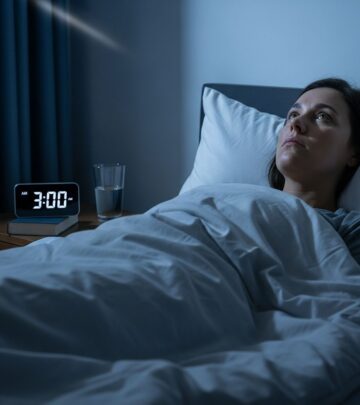
Anxiety is more than just feeling worried or stressed. Anxiety disorders are treatable mental health conditions characterized by persistent, excessive worry that interferes with daily functioning. People with anxiety may experience physical symptoms including rapid heartbeat, sweating, trembling, difficulty concentrating, and sleep disturbances. These symptoms can range from mild to severe and may vary from day to day.
Understanding the difference between normal stress and anxiety disorder is crucial when supporting someone. While everyone experiences occasional anxiety, an anxiety disorder involves symptoms that are persistent, intense, and often irrational. The individual may struggle to control their worries despite recognizing they are excessive. This understanding helps you approach the person with empathy rather than dismissing their concerns as unfounded.
Recognizing Signs of Anxiety in Others
Identifying when someone is struggling with anxiety is the first step in offering help. Common signs include:
- Excessive worry about everyday situations or future events
- Difficulty concentrating or focusing on tasks
- Physical symptoms such as muscle tension, headaches, or stomachaches
- Sleep disturbances or insomnia
- Avoidance of social situations or specific triggers
- Restlessness, irritability, or mood changes
- Difficulty relaxing or appearing constantly on edge
- Changes in eating or drinking habits
- Withdrawing from activities they previously enjoyed
If you notice these signs in someone close to you, it may indicate they are experiencing anxiety that warrants support and possible professional intervention.
Starting the Conversation
Approaching someone about their anxiety requires sensitivity and compassion. Choose a private, comfortable setting where they feel safe to open up. Use non-judgmental language and express genuine concern about their well-being. Avoid statements that minimize their experience, such as “just relax” or “everyone gets nervous sometimes.” Instead, validate their feelings and let them know you are there to listen without judgment.
Begin the conversation with open-ended questions that encourage them to share their experience. Ask questions like “How have you been feeling lately?” or “I’ve noticed you seem stressed—would you like to talk about what’s on your mind?” Listen actively without interrupting, and demonstrate that you care by maintaining eye contact and responding with empathy. Avoid offering unsolicited advice or trying to solve their problems immediately. Sometimes, the most helpful response is simply listening and validating their emotions.
Providing Emotional Support
Emotional support is foundational to helping someone with anxiety. Let them know you believe them and take their concerns seriously. Avoid dismissing their worries, even if they seem irrational from your perspective. Instead, acknowledge their feelings and affirm that anxiety disorders are real, treatable conditions. Express confidence in their ability to manage their anxiety with proper support and treatment.
Related Stories



Be present and available when they need to talk. This doesn’t necessarily mean you need to have all the answers—simply being there and listening can be incredibly therapeutic. Show patience, as recovery from anxiety often takes time. Celebrate small victories and progress, no matter how incremental they may seem. Remind them that seeking help is a sign of strength, not weakness.
Encouraging Professional Treatment
While your support is valuable, professional treatment is often essential for managing anxiety disorders effectively. Anxiety disorders are highly treatable conditions, and various evidence-based treatments are available. Encourage your loved one to speak with a healthcare provider, such as their primary care physician or a mental health specialist, to explore treatment options.
Professional treatment typically involves a comprehensive evaluation to understand the individual’s symptoms, medical history, and potential triggers. Based on this assessment, a personalized treatment plan is developed that may include therapy, medication, lifestyle modifications, and coping strategies. Offer to help them take the first step, such as assisting with researching providers, scheduling an appointment, or accompanying them to their first visit if they wish.
Understanding Treatment Options
Various effective treatments for anxiety disorders exist. Understanding these options can help you support someone’s treatment journey.
Cognitive Behavioral Therapy (CBT)
Cognitive Behavioral Therapy is one of the most effective and widely used forms of psychotherapy for anxiety disorders. CBT focuses on identifying and changing negative thought patterns and behaviors that contribute to anxiety. Through this therapy, individuals learn to challenge irrational fears, recognize anxiety triggers, and develop healthier coping mechanisms. CBT also incorporates relaxation techniques and mindfulness exercises to help manage the physical symptoms of anxiety.
Exposure Therapy
Exposure therapy is a specialized form of CBT particularly effective for treating phobias and social anxiety disorder. This approach involves gradual, controlled exposure to feared objects or situations in a safe environment. Over time, repeated exposure helps individuals desensitize to their fears and reduces their anxiety response.
Medication
In some cases, medication can help manage anxiety symptoms when used in conjunction with therapy. Common medications prescribed for anxiety disorders include:
- Selective Serotonin Reuptake Inhibitors (SSRIs): Antidepressant medications that help regulate mood and reduce anxiety.
- Serotonin-Norepinephrine Reuptake Inhibitors (SNRIs): Medications that affect serotonin and norepinephrine levels to alleviate anxiety.
- Benzodiazepines: Fast-acting medications used short-term to manage acute anxiety symptoms.
- Beta-blockers: Medications used to manage physical anxiety symptoms like rapid heartbeat or trembling, often during performance situations.
Mindfulness and Relaxation Techniques
Mindfulness practices such as deep breathing, progressive muscle relaxation, and guided imagery can help manage anxiety by promoting relaxation and grounding individuals in the present moment. These techniques are particularly effective for those with chronic anxiety or panic disorder. Mindfulness-Based Stress Reduction (MBSR) is a structured program that helps individuals reduce anxiety and improve emotional regulation.
Practical Ways to Support Daily
Beyond professional treatment, there are numerous practical ways you can support someone with anxiety in their daily life. Help them identify their anxiety triggers and develop strategies to cope with or avoid them when possible. Encourage healthy lifestyle habits such as regular exercise, balanced nutrition, adequate sleep, and limiting caffeine and alcohol consumption, which can exacerbate anxiety symptoms.
Suggest engaging in relaxation activities together, such as yoga, meditation, or nature walks. These activities can provide immediate anxiety relief and create opportunities for connection. Be patient during difficult moments when their anxiety is heightened. Sometimes, what they need most is a calm, reassuring presence rather than problem-solving.
Help them establish a routine, as predictability can reduce anxiety. Encourage them to maintain social connections and engage in activities they enjoy, even when anxiety makes this challenging. Sometimes, gentle encouragement and accountability can help them follow through with self-care and treatment activities.
What Not to Do
While supporting someone with anxiety, it’s important to avoid certain behaviors that may inadvertently worsen their condition. Don’t tell them to “just relax” or “stop worrying,” as this minimizes their experience and suggests they have control they may not actually have over their symptoms. Avoid enabling avoidance behavior by constantly accommodating their anxieties, as this can reinforce the anxiety cycle.
Don’t take their anxiety personally or become frustrated with their symptoms. Remember that anxiety is a medical condition, not a character flaw or personal choice. Avoid sharing horror stories about mental health or treatment, as this may discourage them from seeking help. Don’t pretend to fully understand their experience if you haven’t struggled with anxiety yourself, but express empathy and willingness to learn.
Taking Care of Yourself
Supporting someone with anxiety can be emotionally taxing. It’s important to maintain your own mental health while providing support. Set healthy boundaries about what you can realistically offer, and recognize that you cannot “fix” their anxiety. Remember that their anxiety and recovery are ultimately their responsibility, though you can be a supportive companion on their journey.
Seek your own support through friends, family, or a therapist if needed. Practice self-care activities that help you manage stress and maintain emotional balance. Educate yourself about anxiety to better understand what your loved one is experiencing. Remember that by taking care of yourself, you are better equipped to support others.
Recognizing When Professional Help is Urent
While most anxiety can be managed through standard treatment approaches, certain situations require immediate professional intervention. If your loved one expresses suicidal thoughts, engages in self-harm, experiences severe panic attacks they cannot manage, or shows signs of a mental health crisis, contact emergency services or a crisis helpline immediately. Encourage them to go to an emergency room or call the National Suicide Prevention Lifeline at 988 (in the United States) if they are in acute distress.
Supporting Long-Term Recovery
Anxiety disorder treatment often equips individuals with valuable coping mechanisms, relaxation techniques, and stress management strategies that support long-term mental health and emotional resilience. With proper treatment and support, anxiety disorders can be effectively managed, allowing individuals to lead fulfilling, balanced lives. Recovery is not always linear—there may be setbacks and challenging days, but consistent treatment and support lead to meaningful improvement.
Celebrate milestones in their recovery journey, from taking the first step of seeking help to managing anxiety symptoms more effectively. Remind them that seeking professional help is a sign of strength and self-awareness. Encourage them to stay committed to their treatment plan, even when progress seems slow, as most people with anxiety respond well to evidence-based treatments.
Resources and Additional Support
Numerous resources are available to help you support someone with anxiety. The Anxiety and Depression Association of America (ADAA) provides educational materials and provider directories. The National Institute of Mental Health (NIMH) offers evidence-based information about anxiety disorders and treatment options. Many community mental health centers offer affordable or sliding-scale therapy services. Online therapy platforms have also made mental health treatment more accessible.
Frequently Asked Questions
Q: Is anxiety a sign of weakness?
A: No. Anxiety disorders are legitimate medical conditions that affect people of all backgrounds, strengths, and abilities. Seeking help for anxiety demonstrates courage and self-awareness, not weakness.
Q: Can anxiety go away on its own?
A: While some people experience temporary relief from anxiety without treatment, anxiety disorders typically require professional intervention for lasting improvement. Treatment helps individuals develop coping skills and address underlying issues that perpetuate anxiety.
Q: How long does anxiety treatment take?
A: The duration of treatment varies depending on the individual and the severity of their anxiety. Some people see improvement within weeks, while others may require several months of treatment. Consistent engagement with treatment typically leads to significant improvement.
Q: Should I share my own anxiety experiences with them?
A: Sharing relevant personal experiences can sometimes help them feel less alone, but be careful not to center the conversation on yourself. Keep the focus on their experience and needs.
Q: What if they refuse professional help?
A: Express your concern compassionately and continue offering support. You cannot force someone into treatment, but you can provide information about how treatment helps and remain available. Sometimes people need time before they are ready to seek help.
Q: Can I help them practice relaxation techniques?
A: Yes. Practicing deep breathing exercises, guided meditation, or progressive muscle relaxation together can be beneficial. These activities provide immediate anxiety relief and reinforce healthy coping strategies.
References
- Anxiety Disorder Treatment — Hopkins Medical Association. 2024. https://hopkinsmedicalassociation.com/medical-conditions/mental-health-treatment/anxiety-disorder-treatment/
- Anxiety Disorders: Guidelines for Effective Primary Care Therapy — Johns Hopkins University Research. Mar 2004. https://pure.johnshopkins.edu/en/publications/anxiety-disorders-guidelines-for-effective-primary-care-therapy/
- Generalised Anxiety Disorder: Guidelines for Diagnosis and Treatment — Johns Hopkins University Research. https://pure.johnshopkins.edu/en/publications/generalised-anxiety-disorder-guidelines-for-diagnosis-and-treatme-4/
- Anxiety Resources and Treatment Information — Johns Hopkins Guides. 2024. https://www.hopkinsguides.com/hopkins/search?catcode=all&st=OSS&search=Anxiety
Similar Articles








Read full bio of Sneha Tete