How to Help Your Child with Back-to-School Anxiety
Expert strategies to recognize, manage, and overcome back-to-school anxiety in children for a confident start to the new term.
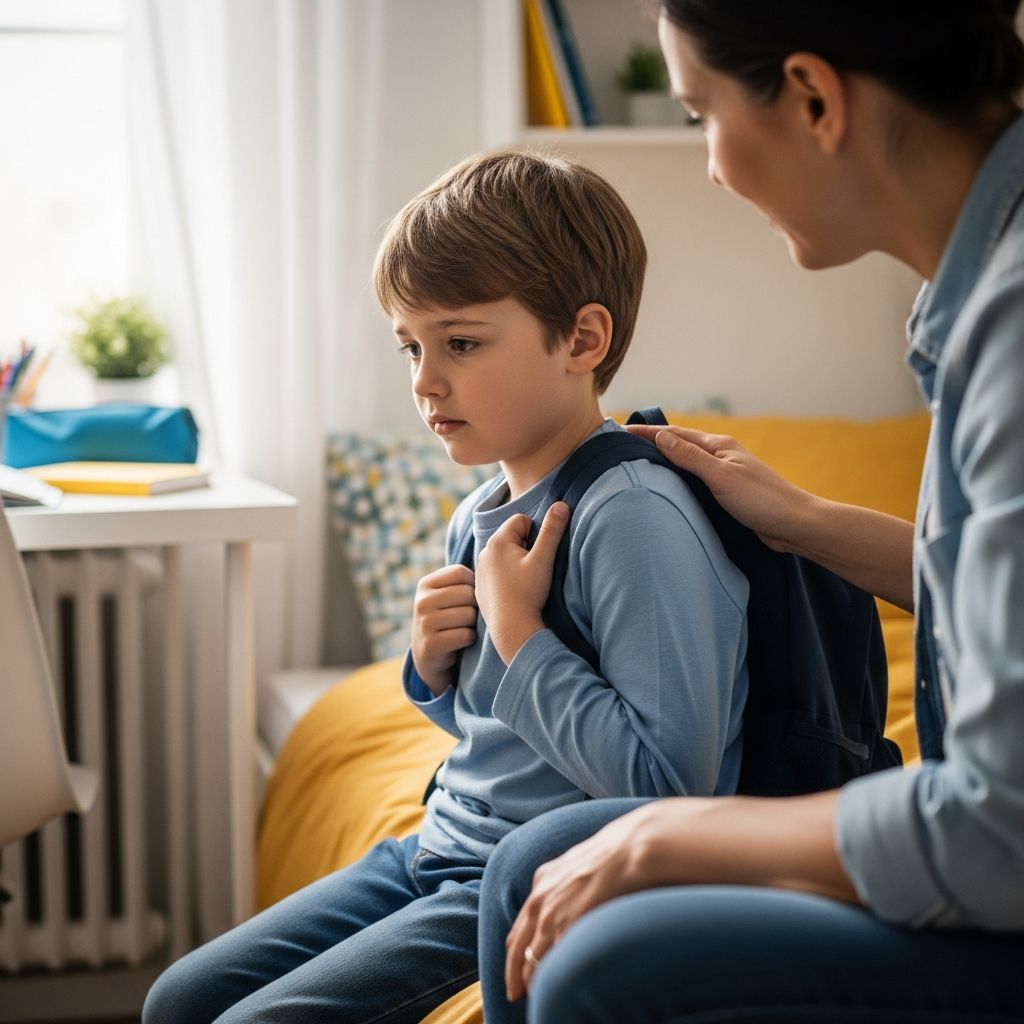
Back-to-school season brings excitement for new beginnings, but it can also trigger anxiety in children due to changes in routines, social pressures, and academic demands. Recognizing and addressing this anxiety early helps children build confidence and resilience. This guide covers signs of anxiety, practical strategies, and when to seek professional support.
Understanding Back-to-School Anxiety
Anxiety during the back-to-school period is common, affecting many children as they face uncertainties like new teachers, classmates, or higher expectations. It manifests differently across ages but often stems from fear of the unknown or separation from familiar comforts. Normalizing these feelings is key, as anxiety can prepare children for challenges when managed properly.
Signs Your Child May Have Back-to-School Anxiety
Children may not verbalize anxiety directly; instead, it appears through behavioral, emotional, and physical cues. Early recognition allows timely intervention.
- Physical symptoms: Stomach aches, headaches, changes in appetite, or sleep disturbances before school.
- Emotional changes: Increased irritability, clinginess, withdrawal, or frequent emotional outbursts.
- Behavioral shifts: Refusal to prepare for school, school avoidance, seeking constant reassurance, or social withdrawal.
- Other indicators: Persistent worry about fitting in, academic performance, or bullying.
If these persist beyond the first few weeks, monitor closely, as untreated anxiety can lead to school refusal.
Why Does Back-to-School Anxiety Happen?
Several factors contribute: disrupted summer routines, separation anxiety, social fears, or past negative experiences. Younger children may fear being away from parents, while teens worry about peer acceptance or workload. A supportive home and school environment mitigates these triggers.
Practical Tips to Help Ease Your Child’s Anxiety
Expert-recommended strategies focus on preparation, normalization, and skill-building. Implement these before and during the school term.
1. Normalize the Anxiety
Acknowledge feelings without dismissal: ‘It’s normal to feel nervous about new things; it shows you’re preparing for challenges.’ This validates emotions and reduces overwhelm. Avoid phrases like ‘Don’t worry,’ which can feel invalidating.
2. Prioritize Physical Health
A healthy body supports a calm mind. Encourage:
- Balanced meals and hydration.
- Consistent sleep schedules, resetting a week early.
- Daily exercise to lower stress hormones.
Dr. Ashley Harlow notes, ‘Healthy routines give kids control and resilience’.
3. Familiarize with the Unknown
Reduce fear by previewing school:
- Visit the school route, attend open houses.
- Rehearse routines like packing bags or drop-offs.
- Review schedules and meet teachers early.
Familiarity builds confidence.
4. Teach Problem-Solving Skills
Guide children to brainstorm solutions:
| Child’s Worry | Problem-Solving Response |
|---|---|
| What if kids are mean? | ‘What could you do? Tell a teacher or find a friend?’ |
| What if I forget my homework? | ‘Let’s make a checklist together.’ |
| What if I get lost? | ‘Practice the map and identify helpers.’ |
Related Stories



This fosters capability.
5. Avoid School Avoidance
Skipping reinforces fears. Encourage attendance while tolerating discomfort, building bravery over time. Use rewards for small steps.
Additional Strategies
- Create safe spaces for open talks.
- Pack comfort items for younger kids.
- Collaborate with schools for check-ins.
Building Long-Term Resilience
Teach coping tools like deep breathing or positive self-talk. Cognitive behavioral therapy (CBT) techniques, such as facing fears gradually, are highly effective. Parents can model calm responses to their own anxiety.
When to Seek Professional Help
Most children adjust within weeks, but seek help if anxiety:
- Interferes with sleep, eating, or school attendance.
- Persists beyond 4-6 weeks or worsens.
- Leads to isolation or physical symptoms.
Start with a GP or pediatrician for referrals to CBT or counseling. Early intervention prevents escalation. NHS advises professional support for severe cases.
Frequently Asked Questions (FAQs)
Q: How long does back-to-school anxiety typically last?
A: Usually 1-2 weeks for mild cases; monitor if longer.
Q: Can anxiety look like defiance?
A: Yes, through outbursts or refusal; address underlying fears.
Q: Is medication necessary?
A: Often not; CBT is first-line, medication if needed alongside therapy.
Q: How can I support teens with anxiety?
A: Encourage peer connections, routine, and open dialogue; resources for adolescents available.
Q: What role does school play?
A: Teachers provide support; maintain communication for collaborative care.
Final Thoughts for Parents
Your calm presence is powerful. By validating feelings, preparing proactively, and seeking help when needed, you equip your child for success. Back-to-school anxiety is temporary but manageable with these tools.
References
- Managing Back-to-School Anxiety — Children’s Nebraska. 2023. https://www.childrensnebraska.org/health-hub/managing-back-to-school-anxiety
- Anxiety in Children: Causes, Symptoms & Treatment — Cleveland Clinic. 2023-10-27. https://my.clevelandclinic.org/health/diseases/anxiety-in-children
- Back-to-School Transitions: How to Help a Child With Anxiety — LifeBridge Health. 2023. https://www.lifebridgehealth.org/blogs/back-school-transitions-how-help-child-anxiety
- Managing Back-to-School Anxiety — Mass General Brigham. 2023. https://www.massgeneralbrigham.org/en/about/newsroom/articles/back-to-school-anxiety
- Anxiety in children — NHS. 2023. https://www.nhs.uk/mental-health/children-and-young-adults/advice-for-parents/anxiety-in-children/
Similar Articles








Read full bio of medha deb