How To Hydrate Skin: 10 Dermatologist Tips For 2025
Expert tips from dermatologists on hydrating dry, dehydrated skin for a plump, glowing complexion year-round.
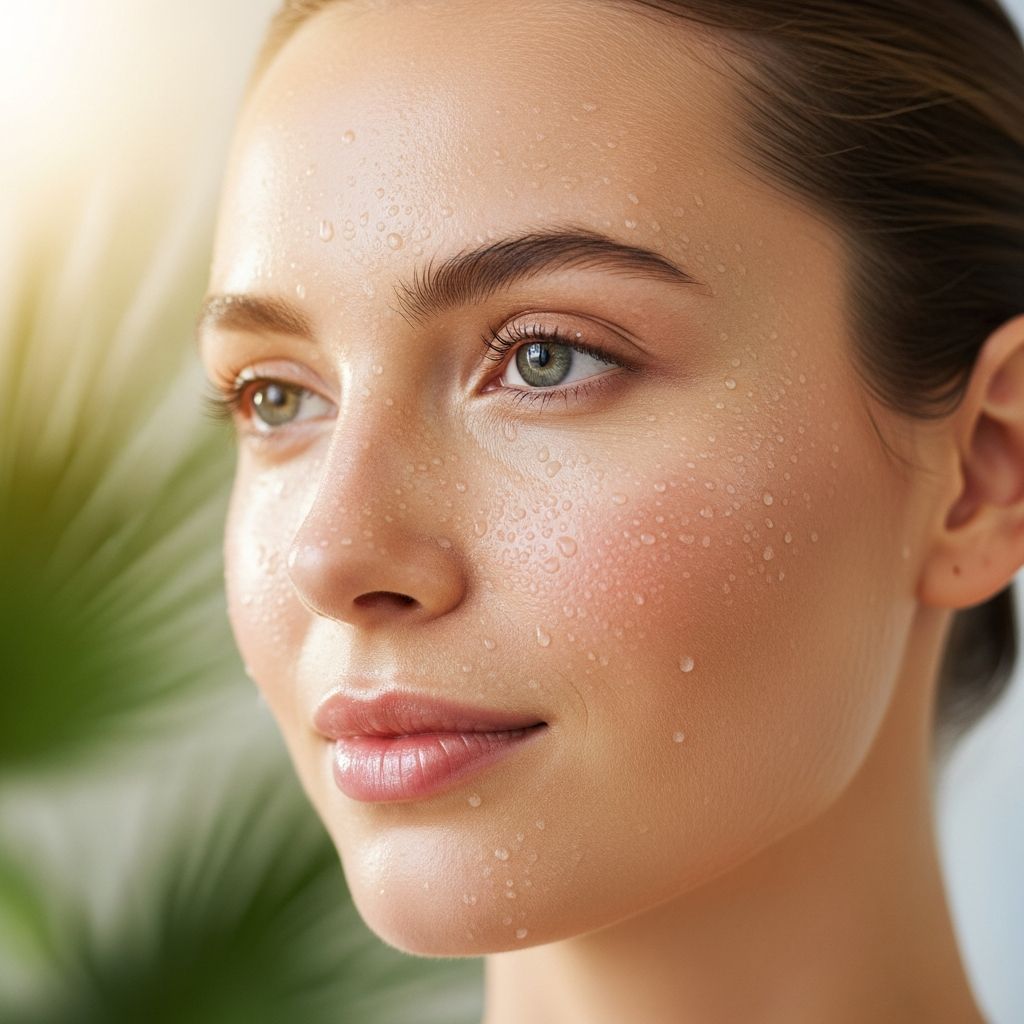
Hydrating skin is essential for maintaining a healthy, plump, and glowing complexion, regardless of skin type. Dehydration affects everyone, leading to tightness, dullness, and irritation, but simple routines and ingredients like
hyaluronic acid
can restore moisture effectively.What Does It Mean to Have Hydrated Skin?
Hydrated skin contains optimal water levels in its outermost layer, the stratum corneum, resulting in a soft, supple, and resilient barrier. Unlike dryness, which stems from insufficient oil production, dehydration occurs when skin lacks water, often due to environmental factors, harsh products, or inadequate care. Properly hydrated skin resists fine lines, maintains elasticity, and protects against irritants.
The skin’s natural barrier, composed of lipids and ceramides, locks in moisture. When compromised—by hot showers, low humidity, or aging—it allows transepidermal water loss (TEWL), making skin feel tight and look lackluster. Hydration replenishes this water content, distinct from moisturizing, which seals it in with emollients.
Hydrated Skin vs. Dry Skin: Key Differences
| Aspect | Hydrated Skin | Dry Skin | Dehydrated Skin |
|---|---|---|---|
| Water Content | Balanced | Low oil (sebum) | Low water |
| Appearance | Plump, glowing | Flaky, rough | Dull, tight |
| Feel | Soft, smooth | Scaly | Tight, itchy |
| Skin Type | All types | Permanent condition | Temporary, any type |
Understanding these differences guides product selection: dehydrated skin benefits from humectants like hyaluronic acid, while dry skin needs occlusives like petrolatum.
Signs Your Skin Is Dehydrated
- Tightness or pulling sensation after cleansing.
- Dull, lackluster complexion despite oiliness.
- Increased fine lines and wrinkles.
- Flakiness or rough patches.
- Breakouts or irritation from compensatory oil production.
- Slower healing from minor cuts or acne.
These symptoms can affect oily, combination, or dry skin types, exacerbated by winter air, air travel, or stress.
Causes of Dehydrated Skin
Environmental aggressors like low humidity, wind, and pollution strip moisture. Lifestyle factors—caffeine, alcohol, poor sleep, and diets low in omega-3s—worsen it. Harsh cleansers with sulfates or alcohol denature natural oils, while over-exfoliation damages the barrier. Aging reduces hyaluronic acid production by up to 50% after age 30, per dermatological studies.
How to Hydrate Your Skin: Dermatologist Tips
Dermatologists emphasize a multi-layered approach: cleanse gently, hydrate with actives, seal with moisturizers, and protect with sunscreen.
1. Drink Plenty of Water
Aim for 8-10 glasses daily. While internal hydration supports overall health, topical products provide direct benefits to skin.
2. Use Gentle, Hydrating Cleansers
Avoid foaming cleansers; opt for cream or gel formulas with ceramides or glycerin to preserve the barrier.
3. Incorporate Hyaluronic Acid Serums
**Hyaluronic acid (HA)**, a humectant, holds 1,000 times its weight in water. Apply on damp skin for maximum absorption. Use multi-molecular weight HA for surface and deep hydration.
4. Layer Water-Based Moisturizers
Choose lightweight gels or lotions with glycerin, aloe, or squalane. Apply within 3 minutes post-cleansing to trap water.
5. Add Occlusives at Night
Heavy creams, ointments, or slugging with petroleum jelly seal in moisture overnight.
6. Humidify Your Environment
Use a humidifier to maintain 40-60% indoor humidity, especially in dry climates.
Related Stories



7. Protect with Broad-Spectrum SPF
UV rays accelerate TEWL; daily SPF 30+ prevents dehydration.
8. Exfoliate Sparingly
Lactic or mandelic acid 1-2 times weekly removes dead cells without stripping moisture.
9. Eat Hydration-Boosting Foods
Incorporate fatty fish, avocados, berries, and nuts rich in antioxidants and healthy fats.
10. Adjust for Seasons
Switch to richer formulas in winter; lighter ones in summer.
Best Ingredients for Skin Hydration
- Hyaluronic Acid: Binds and retains water.
- Glycerin: Humectant that draws moisture from air.
- Ceramides: Restore barrier lipids.
- Niacinamide: Improves barrier function and reduces TEWL.
- Aloe Vera: Soothes and hydrates.
- Squalane: Mimics skin’s sebum for lightweight occlusion.
Avoid irritants: alcohol, fragrances, essential oils.
Skin Hydration Routine for Different Skin Types
| Skin Type | AM Routine | PM Routine |
|---|---|---|
| Oily | Gel cleanser, HA serum, lightweight gel moisturizer, mattifying SPF | Milk cleanser, HA + niacinamide serum, gel-cream moisturizer |
| Dry | Cream cleanser, HA serum, rich cream, SPF | Oil cleanser, ceramide serum, thick ointment |
| Combination | Gel cleanser, targeted HA serum, balancing moisturizer, SPF | Gel cleanser, HA serum, occlusive on dry areas |
| Sensitive | Micellar water, fragrance-free HA serum, ceramide moisturizer, mineral SPF | Barrier cream cleanser, soothing HA, heavy balm |
Product Recommendations
- Cleanser: CeraVe Hydrating Cleanser – Ceramides and HA.
- Serum: The Ordinary Hyaluronic Acid 2% + B5 – Multi-weight HA.
- Moisturizer: Neutrogena Hydro Boost Water Gel – Refreshing hydration.
- Night Treatment: La Roche-Posay Toleriane Double Repair – Prebiotics and ceramides.
Common Mistakes to Avoid
- Over-washing face.
- Skipping moisturizer on oily skin.
- Applying products on dry skin.
- Ignoring neck and décolletage.
- Not reapplying SPF.
Frequently Asked Questions (FAQs)
How often should I apply moisturizer?
Twice daily, morning and night, after serums.
Can oily skin be dehydrated?
Yes, oil doesn’t equal hydration; use water-based products.
Is hyaluronic acid safe for all skin types?
Generally yes; patch test if sensitive.
How long until I see hydration results?
Immediate plumpness; full barrier repair in 1-2 weeks.
Does drinking water hydrate skin directly?
It supports overall hydration; combine with topicals.
References
- Hydration and Barrier Function of the Skin — U.S. National Library of Medicine (NIH). 2024-05-15. https://pubmed.ncbi.nlm.nih.gov/38594329/
- Skin Barrier and Hydration — American Academy of Dermatology. 2025-01-10. https://www.aad.org/public/everyday-care/skin-care-basics/dry/hydrate-skin
- How to Keep Your Skin Hydrated & Healthy — Neutrogena. 2023-04-17. https://www.neutrogena.com/the-bar/importance-of-skin-hydration
- Hyaluronic Acid in Dermatology — Journal of Clinical and Aesthetic Dermatology. 2023-11-01. https://pubmed.ncbi.nlm.nih.gov/37928209/
- Transepidermal Water Loss and Skin Hydration — British Journal of Dermatology. 2024-08-20. https://doi.org/10.1093/bjd/ljae456
Similar Articles








Read full bio of Sneha Tete