How to Identify Scabies: A Contagious and Uncomfortable Skin Condition Caused by Mites
Learn to recognize scabies, a contagious skin infestation caused by mites, including symptoms, diagnosis, treatment, and prevention tips.
Understanding Scabies: What Is It?
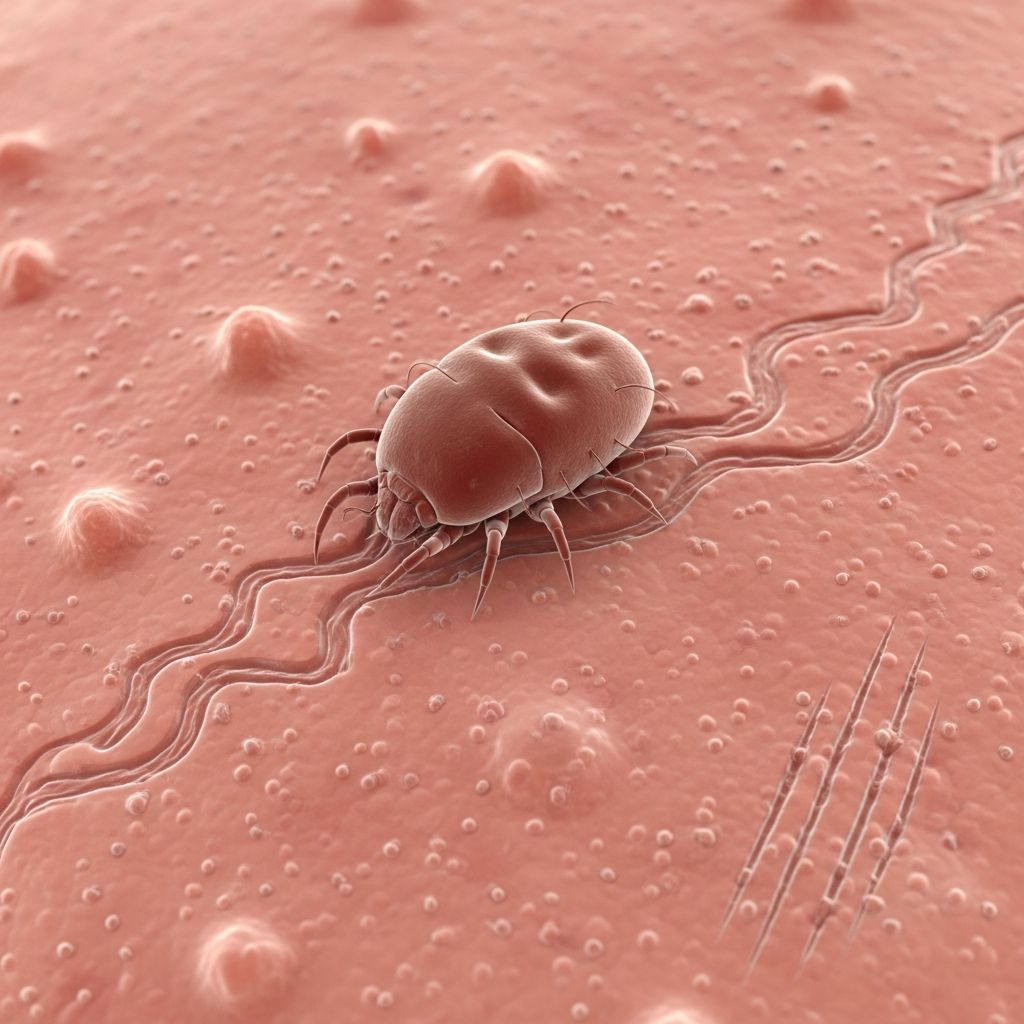
Scabies is a contagious skin condition caused by tiny mites known as Sarcoptes scabiei. These microscopic parasites burrow into the upper layer of the skin, where they lay eggs, triggering intense itching and a distinctive rash. Scabies can occur in people of all ages and backgrounds and is highly transmissible through prolonged close physical contact with an infested person.
Causes and Transmission
The scabies infestation results from the female mite tunneling just beneath the skin’s surface to deposit eggs. Mites do not jump or fly; instead, they spread primarily through skin-to-skin contact. Direct, prolonged contact is the most common transmission mode—for example:
- Sleeping in the same bed
- Sexual contact
- Close household or caregiving contact
Although sharing bedding, towels, and clothing can potentially spread mites, this mode is less common and generally related to cases with very high mite burdens (crusted scabies). The mite burden influences contagion—with typical scabies harboring fewer mites and crusted forms containing hundreds to thousands, increasing the risk of indirect spread.
Recognizing the Signs and Symptoms
Identifying scabies early is essential for effective treatment and to reduce transmission. Common signs include:
- Intense itching, especially worsening at night
- Red, pimple-like bumps or rash appearing primarily in characteristic areas
- Burrows: Thin, irregular tracks etched on the skin surface, marking mite tunnels
Typical areas affected include:
- Between fingers
- Wrists
- Elbows
- Underarms
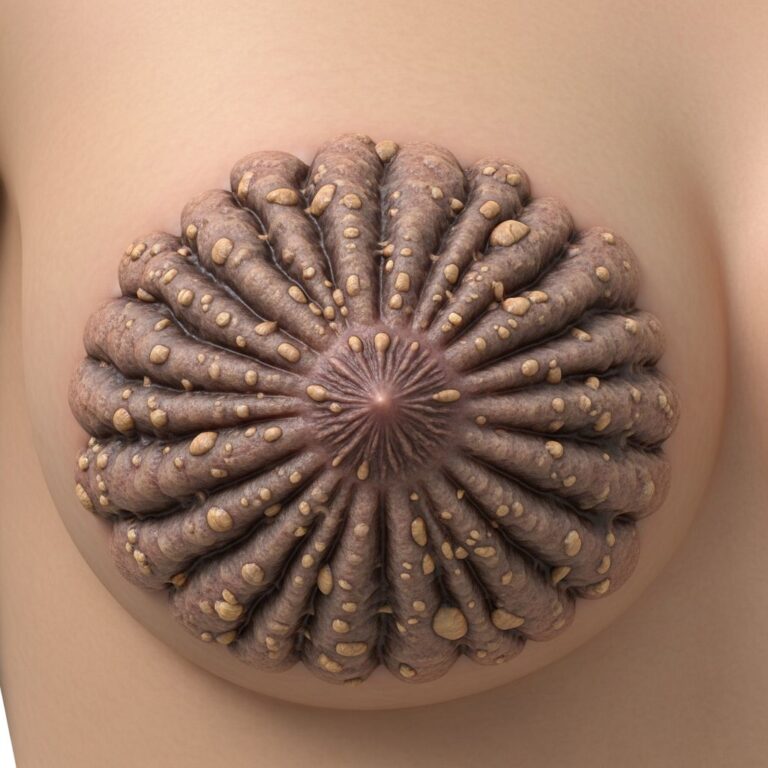
- Nipples and waistline (especially in women)
- Genital areas
- Buttocks
In infants and young children, symptoms may also appear on the head, face, neck, palms, and soles, which differs from adults’ typical distributions.
The Itch and Allergic Reaction
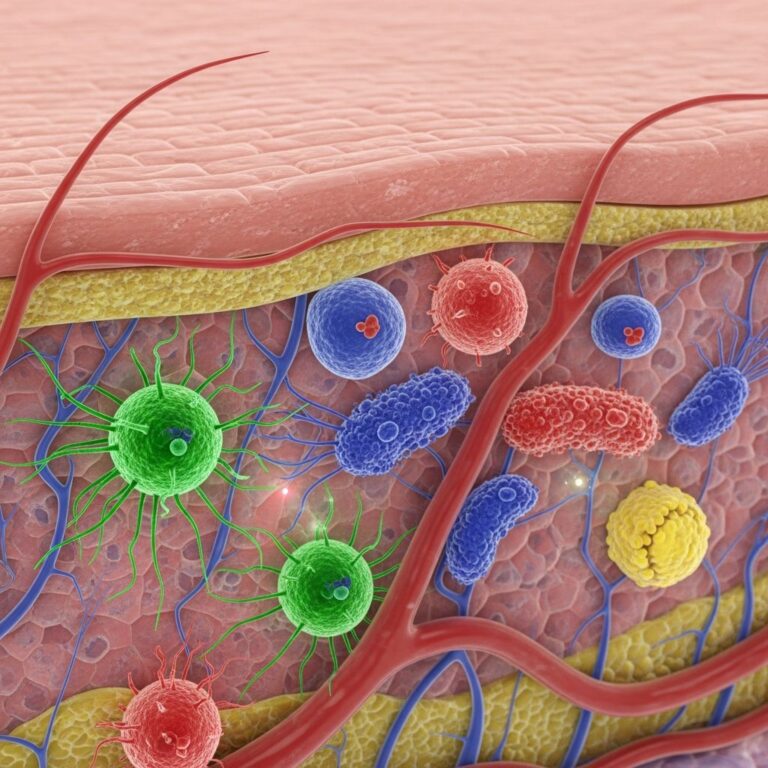
The intense itching from scabies is not caused by the mites directly but by an allergic reaction to the mites’ saliva, eggs, and feces. This reaction usually develops within 2 to 6 weeks after the first exposure, but people who have had scabies before may experience symptoms earlier, sometimes within days.
Diagnosing Scabies
Diagnosis is primarily clinical, based on the presence of typical symptoms and rash distribution coupled with a history of close contact with an infected person. Dermatologists may confirm the diagnosis by:
- Scraping skin from affected areas and examining it under a microscope to detect mites, eggs, or feces
- Using adhesive tape to collect samples from burrows
- Observing burrows which are characteristic but can be difficult to spot
Diagnosis can be challenging because symptoms mimic other skin conditions like eczema, dermatitis, or allergic reactions, so thorough evaluation is essential.
Treatment Options for Scabies
The goal of treatment is to eradicate mites and cure symptoms. Treatment involves medicated creams or lotions prescribed by a healthcare provider. Strategies include:
- Topical permethrin 5%: Most commonly used and highly effective for killing mites. It is applied all over the body from the neck down and left on for 8 to 14 hours before washing off.
- Oral ivermectin: A pill alternative particularly useful in crusted scabies or when topical treatments fail or are impractical. It is typically given in one or repeated doses.
- Other topical agents: Such as benzyl benzoate, sulfur ointment, or crotamiton may be used where permethrin is unavailable or unsuitable.
Related Stories



It is crucial to treat all close contacts simultaneously, even if they show no symptoms, to prevent reinfestation and ongoing spread. Handling the patient’s environment is also recommended:
- Wash bedding, clothing, and towels used in the last 2-3 days in hot water
- Seal non-washable items in plastic bags for at least 72 hours (mites typically die without skin contact within 2-3 days)
Managing Symptoms and Preventing Reinfestation
After treatment, itching and rash may persist for several weeks as the body recovers from the allergic reaction. Additional steps include:
- Using antihistamines or corticosteroid creams to ease itching
- Keeping fingernails trimmed to reduce skin damage from scratching
- Monitoring for signs of secondary bacterial infection, such as crusting, pus, or swelling, which may require antibiotics
Special Considerations: Crusted Scabies
Crusted (Norwegian) scabies is a severe form with a high number of mites, leading to thick crusts and extensive skin involvement. It is highly contagious due to the enormous mite load and requires aggressive treatment:
- Multiple doses of oral ivermectin
- Combination with topical therapies and keratolytic agents to remove crusts
- Isolation and environmental cleaning to prevent outbreaks
Contagion and Prevention Strategies
Scabies spreads most efficiently through prolonged physical contact, and the mite burden influences the risk of indirect transmission via objects (fomites). Key preventive measures include:
- Avoiding prolonged skin-to-skin contact with infested persons
- Treating all household members and close contacts concurrently
- Maintaining good hygiene and laundering personal items regularly
- Recognizing and acting quickly on outbreaks in communal settings such as schools, nursing homes, and dormitories
Common Challenges in Scabies Management
Treatment failures frequently occur due to:
- Not treating all close contacts simultaneously, leading to reinfestation
- Delays between exposure and symptom onset (up to 2 months) that obscure transmission chains
- Less adherence to topical treatment application instructions
- Crusted scabies cases requiring specialized therapies and infection control
Frequently Asked Questions (FAQs)
Q: How long does it take for scabies symptoms to appear?
A: Typically, symptoms appear 2 to 6 weeks after the initial exposure if you have never had scabies before. If you have had it previously, symptoms may appear within 1 to 4 days.
Q: Can scabies spread through casual contact or sharing clothes?
A: Scabies spreads mainly through prolonged, close physical contact. Sharing clothes or bedding rarely causes transmission except in cases with very high mite loads.
Q: Is scabies contagious after treatment?
A: Once appropriate treatment is completed, scabies mites are killed. However, itching may persist for several weeks due to allergic reaction, but you are not contagious during this period.
Q: How do I know if I have crusted scabies?
A: Crusted scabies causes thick, crusted, scaly patches of skin, often accompanied by less itching initially but a far higher risk of transmission. It requires emergency medical attention.
Q: Can scabies be prevented?
A: Prevention centers on avoiding prolonged skin contact with infested persons, treating all close contacts during outbreaks, and maintaining hygiene measures in communal settings.
References
- Scabies: Diagnosis and Management — Massachusetts General Hospital. 2023-02-15. https://www.massgeneral.org/condition/scabies
- A Framework for Scabies Control — PubMed Central, NIH. 2021-09-17. https://pmc.ncbi.nlm.nih.gov/articles/PMC8412357/
- Practical Tips for Approaching a Scabies Diagnosis — HMP Global Learning Network, The Dermatologist. 2024-04-10. https://www.hmpgloballearningnetwork.com/site/thederm/cover-story/practical-tips-approaching-scabies-diagnosis
Similar Articles








Read full bio of Sneha Tete