How To Improve Bone Density: 11 Evidence-Based Ways
Evidence-based strategies to build stronger bones, prevent osteoporosis, and maintain skeletal health at any age through diet, exercise, and lifestyle.
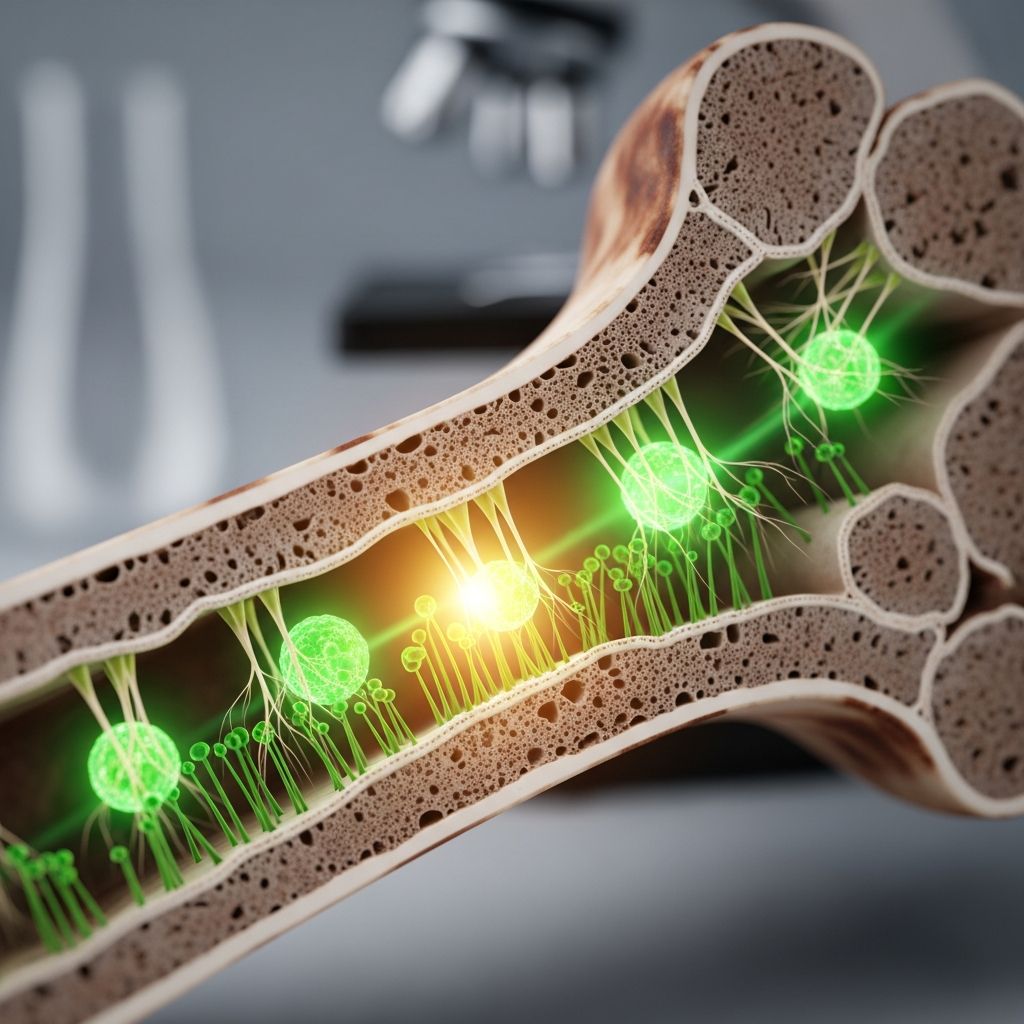
Improving bone density is essential for preventing osteoporosis and fractures, especially as you age. Bones reach peak mass around age 30, after which loss can occur without proper care; strategies like weight-bearing exercise, adequate calcium and vitamin D, and healthy habits can build and maintain strong bones.
What Is Bone Density?
Bone density refers to the amount of bone mineral in bone tissue, measured via DEXA scans to assess osteoporosis risk. Higher density means stronger bones less prone to breaks; it peaks in young adulthood and declines with age, influenced by diet, activity, and hormones.
The skeleton constantly remodels, forming new bone while resorbing old. Until about age 30, formation exceeds resorption, building peak mass. Thereafter, the balance shifts, leading to gradual loss unless countered by lifestyle factors like exercise and nutrition.
Why Is Bone Density Important?
Maintaining bone density prevents osteoporosis, a condition weakening bones and increasing fracture risk in hips, spine, and wrists. Higher peak bone mass by age 30 provides a buffer against age-related loss; factors like low calcium or inactivity accelerate decline.
Osteoporotic fractures cause pain, disability, and higher mortality, especially in older adults. Building “bone in the bank” early and slowing loss later through exercise, calcium, and hormone balance is key to lifelong skeletal health.
What Affects Bone Density?
Several factors influence bone density:
- Age: Peak mass at 30; loss accelerates post-menopause due to estrogen drop.
- Genetics: Family history plays a role, but lifestyle modifies risk.
- Diet: Low calcium or vitamin D impairs bone formation.
- Exercise: Sedentary lifestyles weaken bones; weight-bearing activities strengthen them.
- Hormones: Estrogen deficiency, thyroid issues, or corticosteroids hasten loss.
- Lifestyle: Smoking, excess alcohol, and low body weight harm density.
11 Ways to Improve Bone Density
1. Do Weight-Bearing Exercises
Weight-bearing exercises force bones to work against gravity, stimulating density increases. Examples include walking, jogging, dancing, stair climbing, tennis, and pickleball; aim for 30 minutes most days.
Optimal programs feature high-impact, varied movements like gymnastics or resistance training. Multiple brief bouts daily with directional changes (e.g., tennis) yield best results, especially pre-age 30.
2. Add Resistance Training
Resistance exercises like weightlifting or bodyweight moves (squats, lunges) build bone in specific areas. Studies show both resistance and agility training boost cortical bone density in older women with low mass.
Incorporate 2-3 sessions weekly, targeting major muscle groups. Combine with weight-bearing for comprehensive benefits; even prepubertal activity enhances accrual.
3. Eat Calcium-Rich Foods
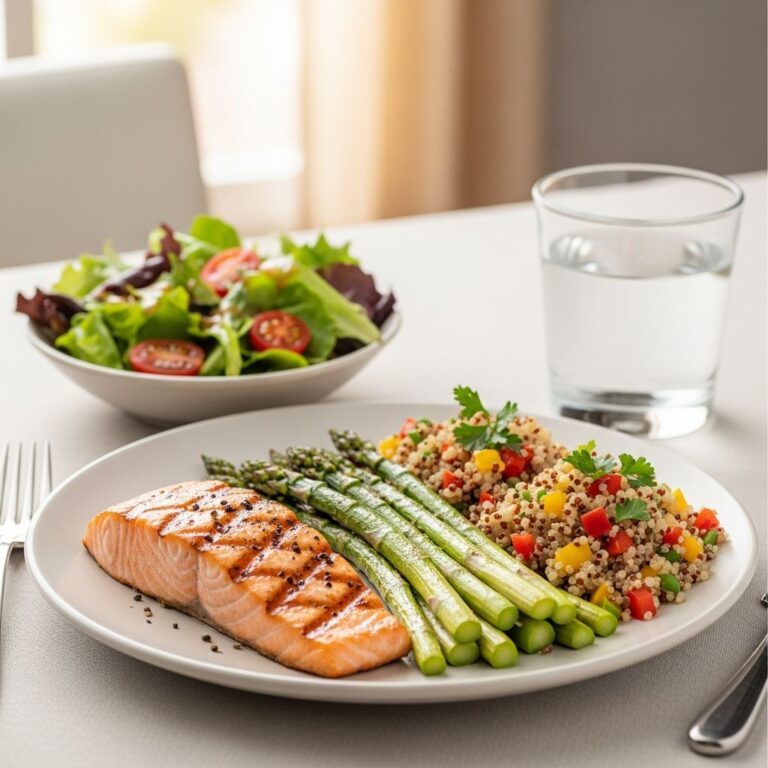
Calcium is vital for bone mineralization; RDA is 1,000 mg/day for adults 19-50, 1,200 mg for women over 51 and men over 70. Sources: dairy (milk, yogurt), leafy greens (kale, broccoli), canned fish with bones (salmon, sardines), fortified foods.
Related Stories



Intakes over 765 mg/day cut hip fracture risk by 60% in a 14-year study. Pair with exercise for maximal effect; supplements if diet insufficient.
4. Consume Enough Vitamin D
Vitamin D aids calcium absorption; RDA 600 IU/day (19-70 years), 800 IU for over 71. Sources: sunlight, fatty fish (salmon, mackerel), fortified milk/orange juice, egg yolks.
Deficiency common; test levels if at risk. Supplements recommended if low sun exposure or dietary shortfalls.
5. Consider Taking Calcium and Vitamin D Supplements
If diet falls short, supplements bridge gaps: calcium citrate or carbonate (with meals), vitamin D3. Consult professionals to avoid excess, which risks kidney stones.
Adequate intake essential for exercise benefits; fortified foods make meeting goals easier.
6. Get Some Sun (Safely)
Sunlight triggers vitamin D synthesis; 10-30 minutes midday exposure several times weekly suffices for most. Use sunscreen after to balance skin cancer risk.
7. Avoid Very Low-Calorie Diets
Extreme dieting or eating disorders like anorexia reduce estrogen and nutrients, harming bones. Maintain healthy weight; underweight raises osteoporosis risk.
8. Quit Smoking
Tobacco weakens bones, impairs calcium absorption, and drops estrogen. Quitting improves density; seek professional help.
9. Limit Alcohol
Excess alcohol (>1 drink/day women, >2 men) interferes with bone formation. Moderation preserves health.
10. Consider Hormone Therapy (If Appropriate)
For postmenopausal women, estrogen therapy may prevent loss, but exercise and nutrition cannot fully compensate for deficiency. Discuss risks/benefits with doctors.
11. Talk to Your Doctor About Medications
Bisphosphonates, denosumab, or others slow resorption for high-risk individuals. Bone density tests guide decisions post-50 fracture or risk factors.
Bone Density Test: Do You Need One?
DEXA scans measure density; recommended for women 65+, men 70+, or younger with risks (fractures, steroids, family history). T-scores classify: normal (>-1), osteopenia (-2.5 to -1), osteoporosis (<-2.5).
Track changes; combine with FRAX tool for 10-year fracture risk.
Who’s at Risk for Low Bone Density?
- Postmenopausal women
- Men over 70
- Family history of osteoporosis
- Low body weight/BMI
- Long-term steroid use
- Eating disorders
- Excessive alcohol/tobacco
- Sedentary lifestyle
- Gastrointestinal disorders affecting absorption
Foods for Bone Health
| Food | Calcium (mg/serving) | Vitamin D (IU/serving) |
|---|---|---|
| Yogurt (8 oz) | 300-400 | 120 (fortified) |
| Salmon (3 oz, canned with bones) | 180 | 570 |
| Kale (1 cup cooked) | 180 | 0 |
| Fortified milk (1 cup) | 300 | 100 |
| Almonds (1 oz) | 75 | 0 |
Incorporate variety for optimal intake; aim for RDAs daily.
Frequently Asked Questions (FAQs)
What is the fastest way to increase bone density?
Combine weight-bearing/resistance exercise with calcium (1,000-1,200 mg/day) and vitamin D (600-800 IU); gains visible in months via consistent habits.
Can you rebuild bone density after 50?
Yes, exercise and nutrition slow loss and modestly increase density, especially if starting from low levels; medications help high-risk cases.
Are bananas good for bones?
Bananas provide potassium aiding calcium retention but aren’t primary sources; prioritize dairy, greens, fish.
Which fruit is best for bones?
Figs and oranges offer calcium/potassium; however, focus on veggies like broccoli for higher yields.
How can I increase my bone density after 60?
Resistance training, walking, calcium/vitamin D supplements, fall prevention; consult for DEXA and meds if needed.
References
- Optimizing Bone Health: Impact of Nutrition, Exercise, and Hormones — GSSI Sports Science Exchange. 2001-03-01. https://www.gssiweb.org/sports-science-exchange/article/sse-82-optimizing-bone-health-impact-of-nutrition-exercise-and-hormones
- Bone health: Tips to keep your bones healthy — Mayo Clinic. 2023-11-07. https://www.mayoclinic.org/healthy-lifestyle/adult-health/in-depth/bone-health/art-20045060
- Effects of Resistance Exercise on Bone Health — PMC / National Library of Medicine. 2018-11-21. https://pmc.ncbi.nlm.nih.gov/articles/PMC6279907/
Similar Articles








Read full bio of Sneha Tete