How To Improve Eyesight: A Comprehensive Guide
Discover proven lifestyle changes, exercises, and habits to naturally support and improve your eyesight for long-term eye health.
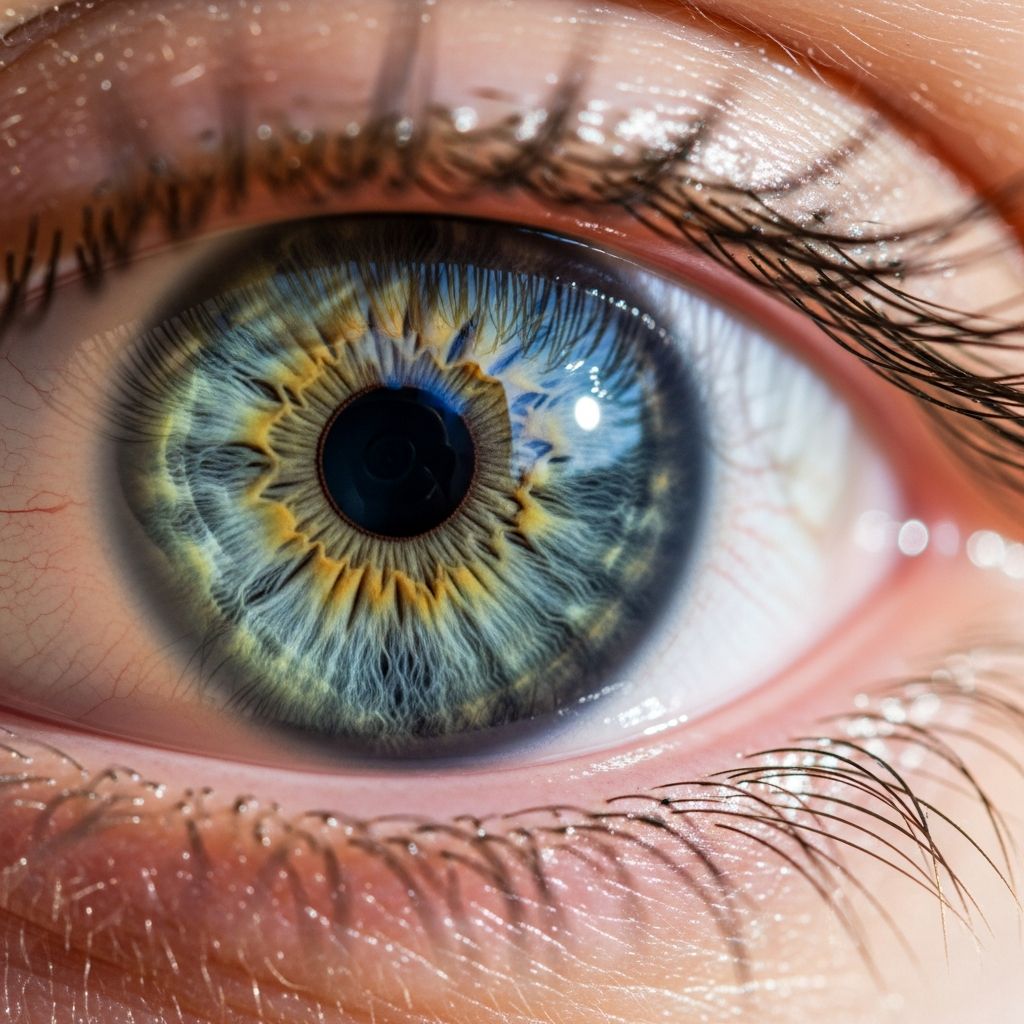
Improving eyesight naturally involves adopting healthy lifestyle habits, incorporating specific eye exercises, and prioritizing regular eye care. While some vision changes are inevitable with age, proactive steps can enhance visual acuity, reduce strain, and lower the risk of conditions like cataracts, macular degeneration, and glaucoma.
Understanding Eyesight and Its Challenges
Vision is a complex process involving the eyes, optic nerves, and brain. Common issues like nearsightedness, farsightedness, astigmatism, and presbyopia affect millions worldwide. Factors such as aging, genetics, poor nutrition, excessive screen time, and environmental exposures contribute to declining eyesight. According to the National Eye Institute (NEI), many eye diseases develop without early symptoms, making prevention crucial.
Maintaining optimal eye health requires a multifaceted approach: protective measures, nutritional support, physical activity, and routine examinations. This guide covers evidence-based strategies to sharpen vision and safeguard long-term ocular wellness.
Get Regular Comprehensive Dilated Eye Exams
The cornerstone of eyesight improvement and maintenance is regular dilated eye exams. These painless procedures allow eye doctors to examine the retina, optic nerve, and other structures for early signs of disease. The NEI emphasizes that dilated exams are the single best way to detect issues like glaucoma, diabetic retinopathy, and age-related macular degeneration before symptoms appear.
- Frequency: Adults should get exams every 1-2 years; those over 65 or at risk annually.
- Benefits: Early detection enables timely treatment, preserving vision.
- Risk factors: Family history, diabetes, high blood pressure, obesity, or ethnicity (e.g., African American, Hispanic, Native American) increase vulnerability.
Know your family’s eye health history and discuss it with your doctor to personalize risk assessments.
Adopt a Nutrient-Rich Diet for Eye Health
Nutrition plays a pivotal role in supporting retinal health and preventing oxidative damage. Foods rich in vitamins A, C, E, zinc, and omega-3 fatty acids are essential for maintaining sharp vision.
- Dark leafy greens: Spinach, kale, and collard greens provide lutein and zeaxanthin, antioxidants that filter harmful blue light and reduce macular degeneration risk.
- Fatty fish: Salmon, tuna, and halibut offer omega-3s, which help prevent dry eyes and support retinal function.
- Colorful fruits and vegetables: Oranges, carrots, peppers, and berries deliver vitamin C and beta-carotene for collagen production and night vision.
- Nuts and seeds: Almonds and sunflower seeds supply vitamin E, protecting eye cells from free radicals.
Aim for a Mediterranean-style diet with these foods daily. Studies show such diets correlate with a 20-30% lower risk of cataracts and AMD.
Incorporate Eye Exercises and the 20-20-20 Rule
Eye exercises strengthen ocular muscles, improve focus, and alleviate digital eye strain. While they won’t reverse refractive errors, they enhance flexibility and endurance.
- 20-20-20 Rule: Every 20 minutes, look at an object 20 feet away for 20 seconds to relax eye muscles.
- Palming: Rub hands together to warm them, then cup over closed eyes without pressure for 1-2 minutes to reduce strain.
- Near-far focus: Hold a finger 10 inches from your nose, focus on it, then shift to a distant object; repeat 10 times.
- Figure-eight tracing: Imagine a large figure-eight 10 feet away and trace it with your eyes for 30 seconds each direction.
Related Stories



Practice 10-15 minutes daily. Consistency yields noticeable improvements in clarity and comfort, especially for screen users.
Stay Physically Active to Support Vision
Regular exercise improves blood circulation to the eyes, controls weight, and manages conditions like diabetes and hypertension that harm vision.
- Aerobic activities: Walking, jogging, swimming (30 minutes, 5 days/week) lower intraocular pressure and enhance oxygen delivery.
- Yoga for eyes: Poses like child’s pose or downward dog promote relaxation and reduce tension.
Active individuals have up to 50% lower risk of glaucoma. Combine with overall fitness for synergistic benefits.
Quit Smoking to Protect Your Eyes
Smoking doubles the risk of cataracts and AMD by damaging retinal blood vessels and optic nerves. Toxins like nicotine restrict blood flow, accelerating aging.
- Quitting benefits: Risk drops significantly within years; vision stabilizes.
- Resources: Call 1-800-QUIT-NOW or visit Smokefree.gov for support.
Seek nicotine replacement or counseling for success rates over 25%.
Wear Protective Eyewear and Sunglasses
UV exposure causes 20% of cataracts. Protect eyes daily.
- Sunglasses: Choose 99-100% UVA/UVB blocking lenses, even on cloudy days.
- Safety gear: Goggles for sports, yard work, or chemicals.
Polarized lenses reduce glare for better visual acuity.
Proper Contact Lens Hygiene
Poor hygiene leads to infections like keratitis, impairing vision.
- Wash hands before handling lenses.
- Disinfect nightly; replace as scheduled.
- Avoid water exposure (swimming, showers).
Follow your eye doctor’s guidelines strictly.
Manage Chronic Health Conditions
Diabetes causes retinopathy; hypertension damages vessels. Control via medication, diet, and monitoring. Regular A1C and BP checks are vital.
Lifestyle Tips for Optimal Vision
| Habit | Benefit | How to Implement |
|---|---|---|
| Adequate sleep (7-9 hours) | Repairs eye tissues | Consistent schedule, dark room |
| Hydration (8 glasses water/day) | Prevents dry eyes | Carry reusable bottle |
| Limit screen time | Reduces strain | Blue light filters, night mode |
| Good lighting | Minimizes fatigue | Task lighting, avoid glare |
Frequently Asked Questions (FAQs)
Can eyesight improve naturally without surgery?
Yes, through diet, exercises, and habits, many experience sharper vision and less strain, though severe issues may need professional intervention.
How often should I get an eye exam?
Every 1-2 years for adults; more frequently if at risk.
Do carrots really improve vision?
They provide vitamin A for night vision but aren’t a cure-all; balanced nutrition is key.
Is screen time ruining my eyes?
It causes temporary strain; follow 20-20-20 to mitigate.
Can stress affect eyesight?
Yes, it worsens dry eyes and blurs focus; manage with relaxation techniques.
By integrating these strategies, you can significantly enhance eyesight and enjoy clearer vision. Consult an eye professional for personalized advice.
References
- Keep Your Eyes Healthy — National Eye Institute (NIH). 2023. https://www.nei.nih.gov/eye-health-information/healthy-vision/how-eyes-work/keep-your-eyes-healthy
- Eye Health Tips — American Academy of Ophthalmology. 2024-10-15. https://www.aao.org/eye-health/tips-prevention
- Nutrition and Eye Health — Centers for Disease Control and Prevention (CDC). 2025-03-20. https://www.cdc.gov/visionhealth/nutrition/index.html
- Smoking and Eye Disease — World Health Organization (WHO). 2024. https://www.who.int/news-room/fact-sheets/detail/blindness-and-visual-impairment
- Physical Activity and Vision — Harvard T.H. Chan School of Public Health. 2025-01-10. https://www.hsph.harvard.edu/nutritionsource/eye-health/
Similar Articles








Read full bio of Sneha Tete