How To Improve Gum Health: 8 Proven Tips For Healthier Gums
Expert tips from dentists to strengthen gums, prevent disease, and maintain a healthy smile for life.
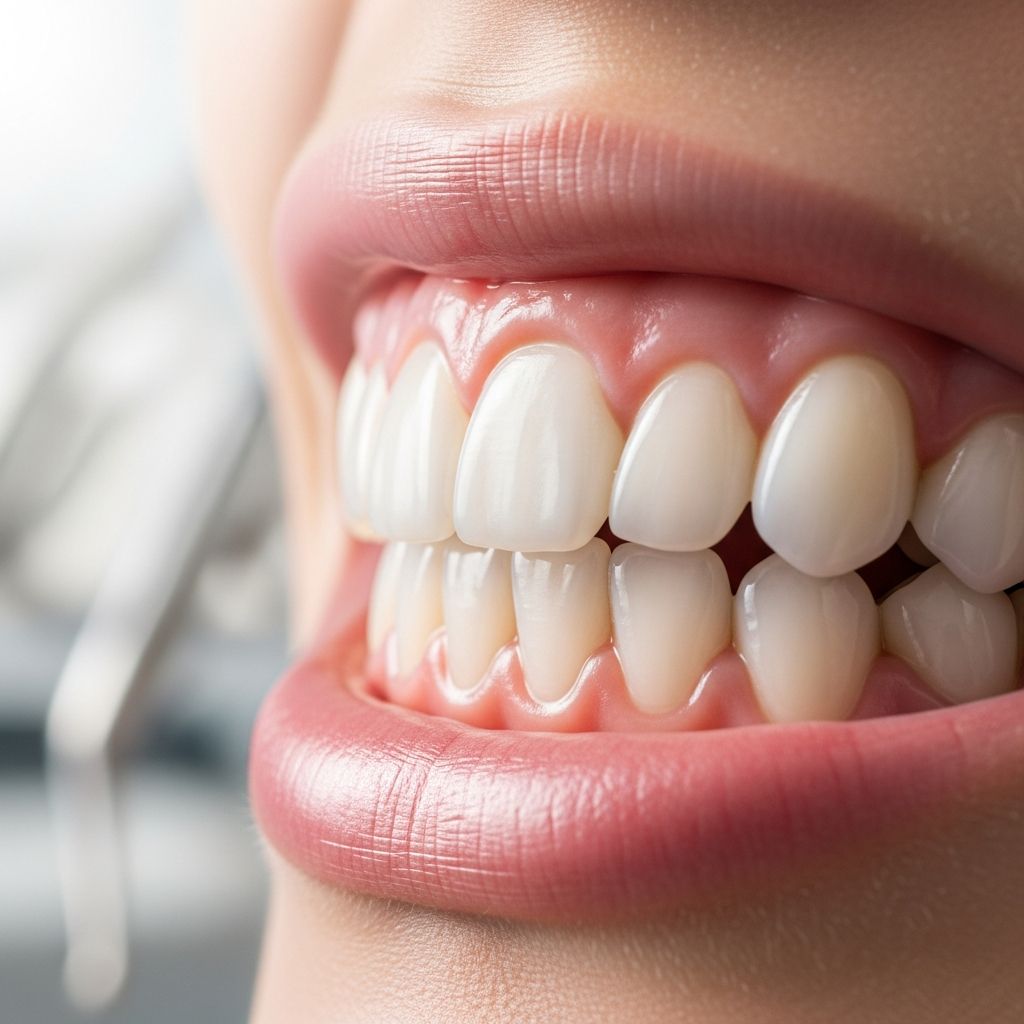
Healthy gums are essential for a confident smile and overall well-being, yet nearly half of U.S. adults over 30 suffer from some form of periodontal disease. Improving gum health involves consistent oral hygiene, lifestyle adjustments, and professional care to prevent issues like gingivitis and periodontitis, which can link to systemic health problems such as diabetes complications.
What Are Healthy Gums?
Healthy gums, or gingiva, are firm, pink, and tightly fit around the base of teeth without bleeding or recession. They protect tooth roots, anchor teeth, and act as a barrier against bacteria. Signs of poor gum health include redness, swelling, tenderness, bleeding during brushing, persistent bad breath, and receding gums exposing roots. Early intervention prevents progression to periodontitis, where infection destroys supporting bone and tissue, potentially leading to tooth loss.
Maintaining healthy gums supports not only oral health but also systemic wellness. Research links gum disease to challenges in controlling blood sugar in diabetics, highlighting the mouth as a window to overall health. Good oral hygiene keeps harmful bacteria in check, preventing infections that could spread elsewhere.
Brush Your Teeth Properly
Brushing twice daily for two minutes with a soft-bristled toothbrush and fluoride toothpaste is foundational to gum health. Angle the brush at 45 degrees toward the gumline, using gentle circular motions to clean above and below the gumline without scrubbing harshly, which can irritate tissues. Replace your toothbrush every three months or after illness to ensure effectiveness.
Incorporate techniques like the Bass method, recommended by dentists, which focuses on subgingival cleaning to disrupt plaque. Electric toothbrushes often outperform manual ones in plaque removal, benefiting those with dexterity issues or advanced gum disease.
Floss Every Day
Flossing removes plaque and food particles from between teeth and under the gumline where brushes can’t reach. Use 18 inches of floss, wrap it around fingers, and gently curve it into a C-shape around each tooth, sliding up and down against the gumline. Water flossers or interdental brushes are alternatives for bridges, implants, or those with limited hand mobility.
Daily flossing reduces interdental bleeding and inflammation. Studies show consistent flossing alongside brushing significantly lowers gingivitis risk compared to brushing alone.
Visit Your Dentist Regularly
Professional cleanings every six months remove tartar buildup that brushing misses, allowing early detection of gum issues. Dentists measure pocket depths between teeth and gums; healthy pockets are 1-3mm, while deeper ones signal disease requiring scaling and root planing.
Regular visits enable personalized advice and interventions like antimicrobial rinses or laser therapy for moderate periodontitis, preventing escalation.
Eat a Gum-Healthy Diet
A balanced diet rich in vitamins supports gum resilience. Prioritize:
- Vitamin C-rich foods: Citrus fruits, strawberries, bell peppers, and broccoli boost collagen production and immune response, reducing gum infection risk. Periodontists note higher Vitamin C intake correlates with lower gum disease prevalence.
- Crunchy vegetables: Carrots, celery, and apples naturally clean teeth and stimulate saliva flow, neutralizing acids.
- Leafy greens: Spinach and kale provide alkaline minerals to balance mouth pH, protecting enamel and gums from acidic erosion.
- Calcium sources: Dairy, almonds, and leafy greens strengthen supporting bone.
Related Stories



Limit sugary and starchy foods that feed plaque bacteria, and acidic beverages like soda that erode enamel. Stay hydrated to maintain saliva production, your natural mouth cleanser.
Quit Smoking and Tobacco
Tobacco use is a leading cause of gum disease, impairing blood flow to gums, reducing saliva, and promoting bacterial growth. Smokers face three times higher periodontitis risk, with slower healing post-treatment. Quitting improves gum health within months, reducing inflammation and pocket depths.
Seek cessation aids like nicotine patches, counseling, or medications. Avoid all forms, including vaping and chewing tobacco, for optimal recovery.
Use Antimicrobial Mouthwash
Mouth rinses with chlorhexidine or essential oils reduce plaque bacteria and gingivitis. Rinse for 30-60 seconds after brushing, but choose alcohol-free options to avoid dry mouth. Novel formulations, like certain dental gels, show superior results in reducing pocket depths and bleeding in periodontitis patients compared to standard anti-gingivitis toothpastes.
Manage Stress and Systemic Health
Chronic stress weakens immunity, exacerbating gum inflammation. Practice meditation, yoga, exercise, or journaling. Conditions like diabetes worsen gum disease; manage blood sugar through diet, exercise, and medication as periodontitis hinders glycemic control.
Address dry mouth from medications by chewing sugar-free gum or using saliva substitutes.
Incorporate Holistic Practices
Complement conventional care with evidence-supported natural methods:
- Tongue cleaning: Brush or scrape daily to remove bacterial buildup.
- Probiotics: Oral-specific strains crowd out harmful bacteria.
- Oil pulling: Swish coconut or sesame oil for 10-20 minutes to reduce plaque.
- Essential oils: Peppermint, clove, or tea tree in toothpaste for antibacterial effects.
Gum Health and Overall Wellness
Oral bacteria from gum disease can enter the bloodstream, linking to heart disease, stroke, rheumatoid arthritis, and respiratory issues. Diabetics with periodontitis struggle more with blood sugar, while good oral care aids control. Prioritizing gums protects your entire body.
Frequently Asked Questions (FAQs)
What causes gum disease?
Gum disease stems from plaque buildup of bacteria, food debris, and saliva hardening into tartar. Risk factors include poor hygiene, smoking, genetics, hormones, and illnesses like diabetes.
Can gum recession be reversed?
Mild recession may improve with meticulous hygiene and ceasing irritants, but advanced cases often require grafts or pinhole surgery. Prevention is key.
How do I know if my gums are healthy?
Healthy gums are pink, firm, non-tender, and don’t bleed. No spaces at the gumline or persistent bad breath.
Is electric toothbrush better for gums?
Yes, they remove more plaque with less pressure, ideal for sensitive gums.
Does diet really affect gum health?
Absolutely; nutrient deficiencies weaken gums, while sugars fuel bacteria.
References
- Oral health: A window to your overall health — Mayo Clinic Staff. 2023-10-01. https://www.mayoclinic.org/healthy-lifestyle/adult-health/in-depth/dental/art-20047475
- New US toothpaste significantly improves gum health — PMC – NIH. 2021-04-09. https://pmc.ncbi.nlm.nih.gov/articles/PMC8033283/
- 10 Holistic Tips to Improve Your Gum Health — MK Perio. 2023-01-15. https://mkperio.com/blog/holistic-tips-to-improve-gum-health/
Similar Articles








Read full bio of medha deb