How To Improve Skin Texture: Expert Tips For Smoother Skin
Expert dermatologist-approved tips to smooth rough skin, reduce bumps, and achieve a healthier complexion through daily habits and treatments.
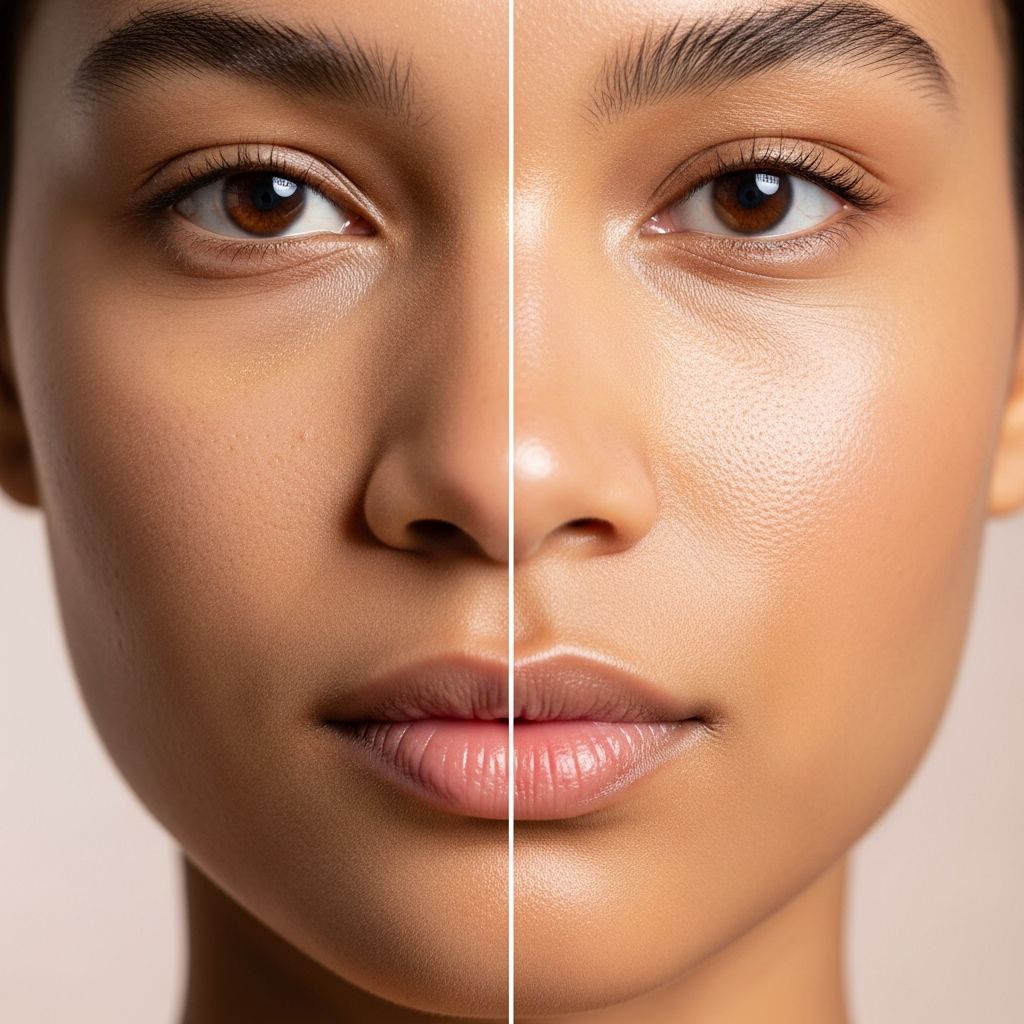
Smooth, even skin texture is a hallmark of healthy skin, but factors like aging, dehydration, sun damage, and environmental stressors can lead to roughness, bumps, and unevenness. Improving skin texture involves a multifaceted approach combining daily skincare routines, lifestyle adjustments, and professional treatments. Dermatologists emphasize consistency and gentleness to avoid irritation while promoting cellular turnover and hydration. This guide covers expert-backed strategies to refine your skin’s surface and enhance its overall appearance.
What Does Skin Texture Mean?
Skin texture refers to the tactile and visual quality of your skin’s surface, encompassing smoothness, roughness, pore visibility, fine lines, and irregularities like bumps or enlarged pores. Optimal texture feels soft and supple, with a uniform tone and minimal imperfections. Poor texture often stems from dead skin buildup, collagen loss, dehydration, or inflammation. According to dermatological insights, factors influencing texture include genetics, hormones, diet, and external aggressors like pollution and UV exposure. Regular care can significantly refine texture over time, leading to a more youthful, radiant complexion.
Causes of Poor Skin Texture
Several internal and external factors contribute to suboptimal skin texture:
- Dehydration: Insufficient water intake or dry environments strip the skin’s natural moisture barrier, causing flakiness and roughness.
- Aging: Natural collagen decline after age 25 thins the skin and reduces elasticity, leading to crepiness.
- Sun Damage: UV rays break down collagen and elastin, resulting in wrinkles, spots, and uneven texture.
- Acne and Scarring: Inflammation from breakouts leaves pitted scars or enlarged pores.
- Pollution and Stress: Free radicals from urban environments accelerate oxidative damage, dulling the skin.
Addressing these root causes through targeted interventions is key to lasting improvement.
Lifestyle Changes for Better Skin Texture
Simple daily habits can transform your skin’s feel and look without expensive products.
Stay Hydrated
Drinking adequate water—aim for at least 8 glasses daily—enhances skin elasticity and minimizes dryness. Studies show hydration improves epidermal thickness and smoothness. Pair internal hydration with topical moisturizers for optimal results.
Eat Antioxidant-Rich Foods
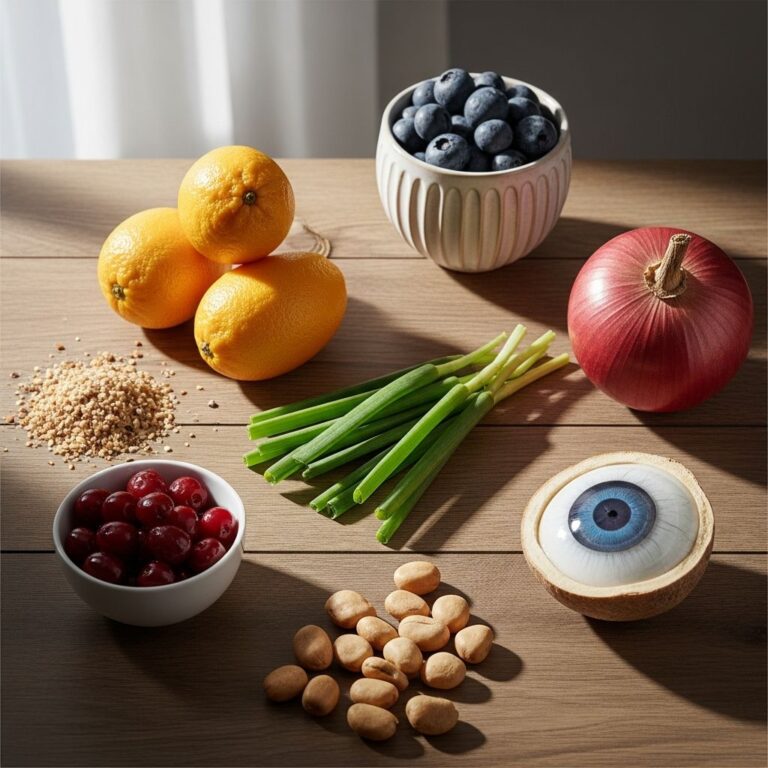
Incorporate leafy greens, berries, citrus fruits, and fatty fish like salmon into your diet. Antioxidants combat free radicals, support collagen synthesis, and reduce inflammation. Beta-carotene from carrots and sweet potatoes converts to vitamin A, aiding acne reduction and texture refinement. Vitamin C from oranges promotes collagen and wound healing.
Exercise Regularly
Aerobic activities like brisk walking or cycling boost circulation, thickening dermal layers and thinning the outer stratum corneum for smoother skin. Aim for 30 minutes most days; sweat also naturally exfoliates.
Prioritize Sleep
During deep sleep, growth hormone surges, promoting collagen production and repair. Target 7-9 hours nightly to reduce wrinkles and UV-induced spots.
Manage Stress
Chronic stress elevates cortisol, impairing barrier function. Practices like meditation or yoga help maintain even texture.
Skincare Routine Essentials
A gentle, consistent routine is foundational for texture improvement.
Cleanse Gently
Use a non-abrasive, alcohol-free cleanser twice daily. The American Academy of Dermatology recommends this to remove impurities without stripping oils.
Related Stories



Exfoliate Properly
Remove dead cells weekly with chemical exfoliants like AHAs (glycolic or lactic acid) over physical scrubs to avoid micro-tears. AHAs boost collagen and even tone. Limit to 1-2 times weekly.
Moisturize Daily
Lock in hydration with ceramide-rich creams. For dry skin, choose occlusives like petrolatum. Daily SPF moisturizers protect against UV damage.
Incorporate Actives
- Retinoids: Vitamin A derivatives accelerate turnover, smoothing texture and fading scars. Start low-strength nightly.
- Niacinamide: Reduces pores and inflammation.
- Hyaluronic Acid: Plumps skin by drawing in moisture.
DIY and Natural Remedies
Natural options offer gentle exfoliation and hydration.
- Honey Masks: Antibacterial and humectant properties soothe and smooth.
- Oatmeal Baths: Colloidal oatmeal calms irritation and retains moisture.
- Coconut Oil: Antimicrobial for body use; avoid face if acne-prone.
- Dry Brushing: Stimulates lymph drainage and exfoliates dry skin.
- Essential Oils: Diluted rose or jojoba oils may reduce fine lines.
Patch-test naturals to prevent allergies.
Nutritional Supplements for Skin Health
Supplements bridge dietary gaps for texture support.
| Supplement | Benefits | Dosage Suggestion |
|---|---|---|
| Vitamin C | Collagen boost, UV protection | 500-1000mg daily |
| Vitamin E | Antioxidant, barrier repair | 15mg daily |
| Beta-Carotene | Anti-aging, acne reduction | From diet or 15-30mg |
| Spirulina | Collagen promotion, anti-inflammatory | 1-3g daily |
Consult a doctor before starting, especially if on medications.
Professional Treatments
For stubborn texture, seek dermatologist-guided options.
Chemical Peels
Acids like TCA or Jessner’s dissolve dead layers, treating scars, melasma, and sun damage. Downtime varies; multiple sessions needed.
Microneedling
Tiny needles induce collagen, smoothing scars and pores. Combine with PRP for enhanced results.
Laser Resurfacing
Fractional lasers vaporize imperfections, promoting regeneration. Effective for wrinkles and pigmentation.
Hydroquinone (4%)
Lightens hyperpigmentation from acne or age spots. Prescription-only; use short-term.
Micordermabrasion
Crystal or diamond-tip exfoliation polishes skin instantly.
Costs range $100-$2000 per session; results last months with maintenance.
Skin Texture Improvement Timeline
| Timeframe | Expected Changes |
|---|---|
| 1-2 Weeks | Hydration boost, reduced flakiness |
| 4-6 Weeks | Smoother surface, faded pores |
| 3 Months | Collagen buildup, even tone |
| 6+ Months | Significant refinement, fewer lines |
Frequently Asked Questions (FAQs)
What is the fastest way to improve skin texture?
Gentle exfoliation with AHAs combined with daily moisturizing and hydration yields quick results in 1-2 weeks.
Can diet really affect skin texture?
Yes, antioxidants and vitamins from fruits, veggies, and fish support collagen and repair, improving smoothness.
Is exfoliating daily safe?
No, limit to 1-3 times weekly to prevent barrier damage; daily use suits mild chemical exfoliants.
Do supplements work for skin texture?
Evidence supports vitamins C, E, and beta-carotene for collagen and anti-aging effects.
When should I see a dermatologist for texture issues?
If over-the-counter routines don’t improve texture after 8 weeks or if scarring persists.
Key Takeaways
- Consistency in hydration, diet, and gentle care is crucial.
- Combine lifestyle, topicals, and pro treatments for best outcomes.
- Patience yields transformative results.
References
- Smooth Skin Remedies, Products, Treatments, and Healthy Routines — Healthline. 2023. https://www.healthline.com/health/smooth-skin
- Nutritional Supplements for Skin Health—A Review of What Should Be Chosen and Why — PMC (PubMed Central). 2024-01-28. https://pmc.ncbi.nlm.nih.gov/articles/PMC10820017/
- Skin care: 5 tips for healthy skin — Mayo Clinic. 2023. https://www.mayoclinic.org/healthy-lifestyle/adult-health/in-depth/skin-care/art-20048237
Similar Articles








Read full bio of medha deb