How to Improve Your Mental Health While Working from Home
Practical strategies to boost mental well-being, reduce stress, and maintain work-life balance in remote work environments.
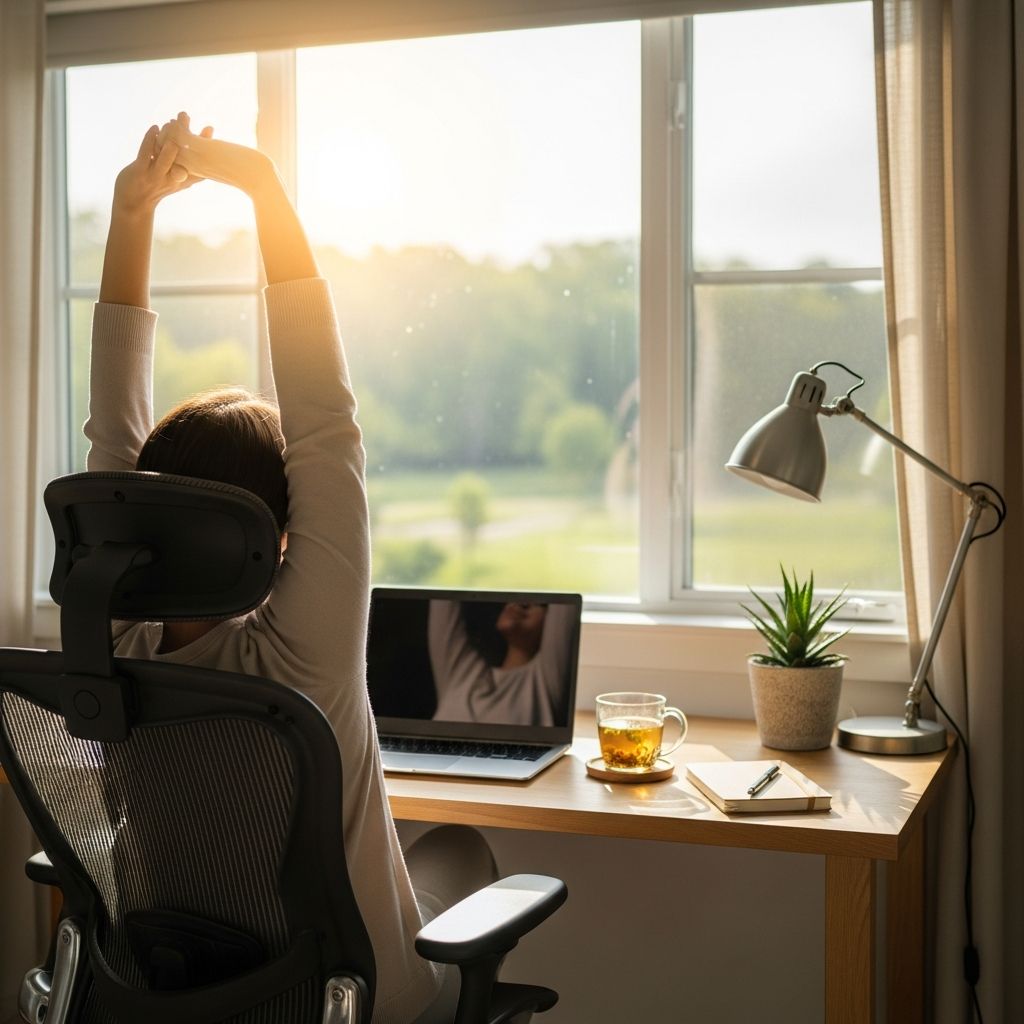
Working from home has become a staple in modern professional life, offering flexibility but also presenting unique challenges to mental well-being. With hybrid models now common, many struggle with isolation, blurred boundaries, and stress. This article provides actionable strategies to safeguard your mental health, drawing from recent research and expert insights to help you thrive remotely.
Understanding the Impact of Remote Work on Mental Health
The shift to remote work, accelerated by global events, has mixed effects on mental health. While it reduces commute stress and offers flexibility, it often leads to loneliness and overwork. A scoping review of 62 studies across continents found that isolation negatively influences well-being, though social support from colleagues mitigates this. Surveys indicate 25% of employees felt more productive at home, yet over a fifth reported increased loneliness.
Benefits of Working from Home
- Reduced stress from commuting: Eliminating travel saves time and lowers anxiety, allowing more personal time.
- Flexible childcare and family time: Parents gain better balance, especially women who manage dual roles.
- Higher productivity for some: Without office distractions, output rose 9.2% in early 2021 per ONS data.
- Personalized environment: Custom setups boost comfort and focus.
Downsides and Risks
Despite positives, remote work amplifies certain risks:
| Challenge | Impact on Mental Health | Mitigation Strategy |
|---|---|---|
| Overworking | Burnout and stress | Set strict hours |
| Loneliness | Depression risk | Schedule social check-ins |
| Team disconnect | Reduced support | Regular video calls |
| Poor workspace | Feeling trapped | Dedicated home office |
| Tech issues | Frustration | Reliable setup |
Women, particularly those with children, report lower well-being due to heavier workloads and family duties.
Set Clear Boundaries Between Work and Home Life
Blurring lines between professional and personal spaces is a primary mental health threat in remote work. Without an office to leave, work invades home life, leading to constant availability and exhaustion. Establishing boundaries is crucial: define start and end times, communicate them to your team, and stick to them rigorously.
For instance, end your day by shutting down your computer at a fixed time, perhaps 5 PM, and transition with a ritual like a short walk. Research shows clear schedules reduce overwork risk and burnout. If you live with family, inform them of your ‘office hours’ to minimize interruptions, fostering respect for your space.
Pro Tip: Use tools like calendar blocks for ‘personal time’ to prevent scheduling creep. This preserves energy for evenings and weekends, enhancing overall life satisfaction.
Create a Dedicated Workspace
A proper workspace signals to your brain that it’s ‘work time,’ improving focus and mental separation. Avoid working from bed or sofa, as this associates rest areas with stress. Ideally, set up a quiet corner with an ergonomic chair, desk, good lighting, and minimal distractions.
Not everyone has spare rooms, but even partitioning a dining area works. Ensure natural light and plants for a calming effect—studies link greenery to lower stress. Invest in noise-cancelling headphones for noisy homes. At day’s end, ‘close’ the office by tidying up, psychologically ending work.
- Ergonomic setup prevents physical strain that exacerbates mental fatigue.
- Personalize with photos or motivational quotes for positivity.
- Test adaptability: 73% in a Swiss study found home offices viable for focused tasks.
Maintain a Consistent Routine
Routines combat the aimlessness remote work can induce. Wake up at the same time daily, shower, dress in ‘work clothes’ (even casual), and follow a schedule mimicking office days. Include breaks: the Pomodoro technique (25 minutes work, 5-minute break) sustains concentration.
Incorporate exercise, like morning yoga, and healthy meals. ONS data supports routines for productivity spikes. Track your day in a journal to adjust as needed, building habits that anchor mental stability amid flexibility.
Prioritize Physical Activity and Healthy Habits
Sedentary remote life harms mental health via reduced endorphins. Aim for 30 minutes daily: walks, home workouts, or online classes. Physical activity buffers stress, with meta-analyses linking it to better well-being.
Complement with nutrition—avoid screen snacking; prepare balanced meals. Hydrate and limit caffeine. Quality sleep (7-9 hours) is non-negotiable; establish wind-down rituals sans screens. These habits fortify resilience against remote stressors.
Stay Connected with Colleagues and Combat Isolation
Loneliness tops remote work setbacks, with over 20% feeling it more often. Counter with virtual coffee chats, team games, or non-work Slack channels. Schedule weekly video calls for face-time, mimicking watercooler talks.
Join professional networks or local groups. Managers should foster inclusivity—leadership style impacts well-being. Human connection via calls reduces depression risk, proving essential even digitally.
Practice Mindfulness and Stress-Reduction Techniques
Mindfulness apps like Headspace offer guided sessions for anxiety. Daily 10-minute meditation lowers cortisol. Journaling processes emotions, while deep breathing handles acute stress.
During pandemic shifts, such practices maintained mental health amid isolation. Integrate micro-breaks for stretching or gratitude lists to reframe negativity.
Seek Professional Support When Needed
If loneliness persists or burnout looms, consult professionals. Online CBT via platforms like Onebright addresses anxiety effectively. Employers often provide EAPs—use them. Early intervention prevents escalation; recognize signs like persistent fatigue or irritability.
Leverage Technology Wisely
Tech enables remote work but can overwhelm. Use Slack for quick chats, Zoom sparingly to avoid fatigue. Tools like RescueTime track habits, preventing overwork. Reliable internet and backups minimize frustration.
Embrace Hybrid Work Benefits
Hybrid models balance home/office perks. Office days build connections; home days offer flexibility. Advocate for policies supporting well-being, like family-friendly options reducing gender gaps.
Frequently Asked Questions (FAQs)
What are the biggest mental health risks of working from home?
Isolation, overworking, and poor work-life balance top the list, leading to stress and burnout.
How can I stop overworking remotely?
Set fixed hours, use shutdown rituals, and communicate boundaries to your team.
Is remote work better for mental health than office work?
It depends: remote reduces commute stress but increases loneliness. Hybrid often optimal.
What if I lack space for a home office?
Use portable setups or designated zones; consistency matters more than size.
How does remote work affect productivity?
Many report gains (25% per surveys), but women with kids face challenges.
References
- How has working from home affected our mental health? — Patient.info. 2023. https://patient.info/features/general-health/how-has-working-from-home-affected-our-mental-health
- A scoping review of remote work and health — PMC – NIH. 2024-04-26. https://pmc.ncbi.nlm.nih.gov/articles/PMC11069417/
- Mental health and work: is it affecting your career? — Patient.info. 2023. https://patient.info/features/general-health/mental-health-and-work-is-it-affecting-your-career
- How to stay healthy while working at home — Patient.info. 2023. https://patient.info/features/covid/how-to-stay-healthy-while-working-at-home
- How will not going back to the office affect our health? — Patient.info. 2023. https://patient.info/features/general-health/how-will-not-going-back-to-the-office-affect-our-health
- How to improve your mental health while working from home — Patient.info. 2023. https://patient.info/features/general-health/how-to-improve-your-mental-health-while-working-from-home
Similar Articles








Read full bio of Sneha Tete