How to Increase Serotonin
Natural ways to boost serotonin levels for better mood, sleep, and overall well-being without relying on medications.
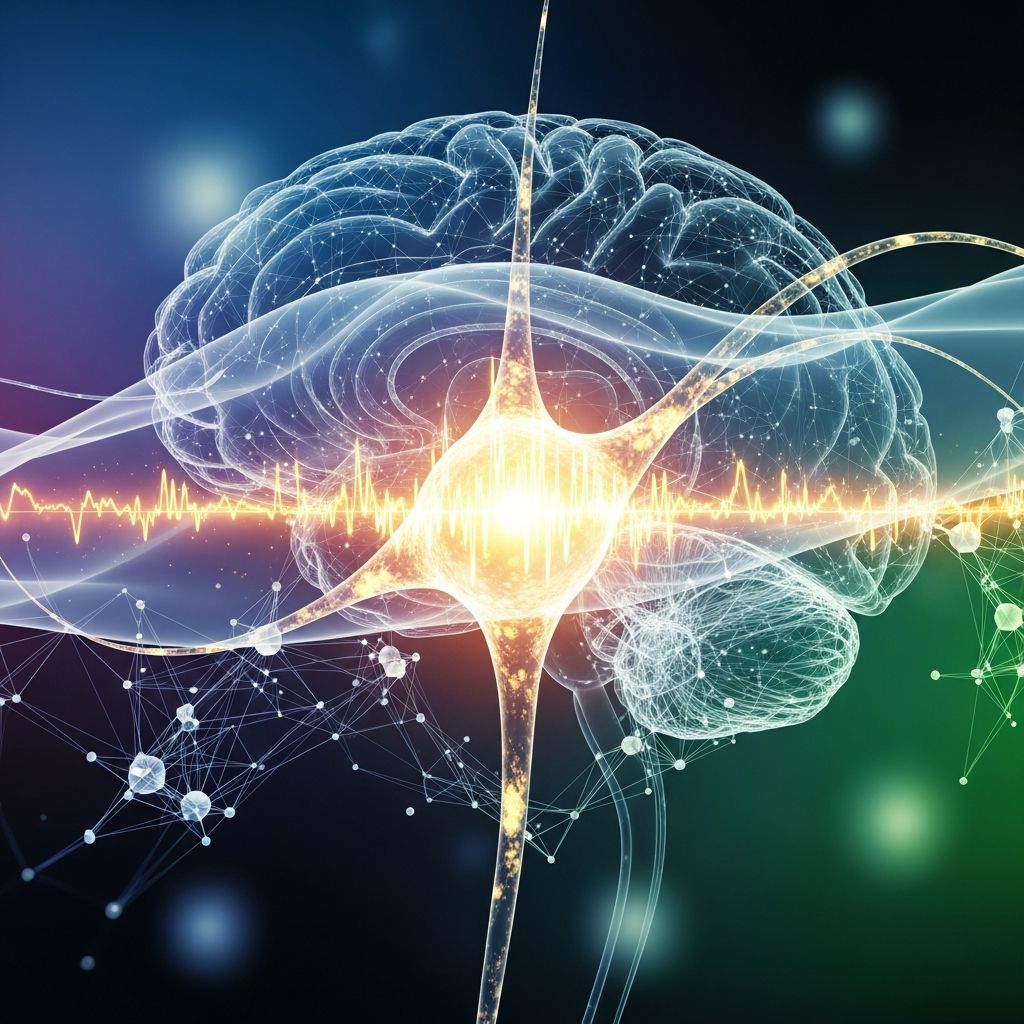
Serotonin is a vital neurotransmitter that regulates mood, sleep, appetite, digestion, and more. Low levels are linked to depression, anxiety, and other issues, but natural strategies like diet, exercise, and sunlight can help boost it effectively.
What Is Serotonin?
Serotonin, often called the ‘feel-good’ chemical, is a neurotransmitter primarily produced in the brain and gut. It influences mood stability, emotional well-being, sleep cycles, digestion, blood clotting, and sexual function. About 90% of the body’s serotonin is found in the gastrointestinal tract, highlighting its role in the gut-brain axis.
Produced from the amino acid tryptophan, serotonin helps maintain balance in various bodily functions. Deficiencies can contribute to conditions like depression, anxiety, irritable bowel syndrome (IBS), and sleep disorders. While medications like SSRIs target serotonin reuptake, natural methods offer sustainable ways to enhance production.
Serotonin Deficiency Symptoms
Recognizing low serotonin is key to addressing it. Common symptoms include:
- Persistent sadness or low mood
- Anxiety and irritability
- Difficulty sleeping or insomnia
- Cravings for carbohydrates or sweets
- Digestive issues like constipation
- Fatigue and low energy
- Impulsive behavior or aggression
- Low self-esteem or feelings of worthlessness
These signs often overlap with other conditions, so consult a healthcare provider for proper diagnosis. Low serotonin may also correlate with physical health risks, such as metabolic syndrome.
How to Increase Serotonin Naturally
Boosting serotonin without drugs is achievable through lifestyle changes. Research supports several non-pharmacologic approaches that enhance tryptophan availability and serotonin synthesis in the brain.
1. Eat Tryptophan-Rich Foods
Tryptophan is the precursor to serotonin. Consuming foods high in this amino acid, paired with carbohydrates to aid absorption, can promote synthesis. Insulin from carbs helps tryptophan cross the blood-brain barrier by clearing competing amino acids.
Top tryptophan sources include:
- Eggs (rich in protein and vitamins)
- Salmon and fatty fish (omega-3s support brain health)
- Cheese and dairy (hard cheeses like cheddar)
- Tofu and soy products
- Nuts and seeds (pine nuts, pumpkin seeds)
- Turkey and poultry
- Pineapple and bananas (also provide carbs)
Aim for balanced meals: pair tryptophan foods with complex carbs like oats or sweet potatoes. Studies show tryptophan-rich diets improve mood in healthy individuals with irritability.
2. Exercise Regularly
Physical activity is one of the most effective ways to raise brain serotonin. Aerobic exercise increases plasma tryptophan, facilitating serotonin production. The UK’s National Institute for Health and Clinical Excellence recommends exercise over antidepressants for mild depression due to its superior risk-benefit profile.
Guidelines for optimal results:
- 30 minutes of aerobic exercise (walking, running, cycling) 5 times weekly
- 2 strength-training sessions per week
- Exercise to mild fatigue for maximum serotonin boost
Mechanisms include elevated 5-HIAA (serotonin metabolite) in cerebrospinal fluid post-exercise and reduced fatigue-related branched-chain amino acids, enhancing tryptophan uptake.
3. Get Sunlight Exposure
Natural sunlight or bright light therapy elevates serotonin levels, particularly beneficial for seasonal affective disorder (SAD). Sunlight influences serotonin synthesis in the brain’s anterior cingulate cortex, correlating with reported happiness.
Tips for implementation:
- 15-30 minutes of midday sun exposure daily
- Use light therapy boxes (10,000 lux) for 30 minutes each morning
- A 2019 review links bright light to mood stabilization via serotonin.
Combine with outdoor exercise for synergistic effects on mood and energy.
4. Try Massage Therapy
Massage increases serotonin and dopamine while reducing cortisol. Studies show a single session boosts circulating serotonin by up to 30%, with effects lasting hours. Regular massage (weekly) sustains elevated levels, improving mood and reducing anxiety.
Benefits extend to:
- Decreased depression symptoms
- Improved sleep quality
- Enhanced immune function
Opt for professional Swedish or deep-tissue massage; self-massage tools like foam rollers provide milder benefits.
5. Practice Mindfulness and Meditation
Mindfulness meditation activates brain regions linked to serotonin regulation, fostering positive mood induction. Research using PET scans shows higher serotonin synthesis during positive mood states induced by meditation.
Start with:
- 10-20 minutes daily of guided meditation
- Focus on gratitude or loving-kindness practices
- Apps like Headspace for beginners
Consistent practice rewires neural pathways, offering long-term serotonin support.
6. Consider Supplements (with Caution)
Supplements like 5-HTP (direct serotonin precursor) and St. John’s Wort may help, but consult a doctor due to interactions and serotonin syndrome risks. Probiotics support gut serotonin production via the gut-brain axis.
| Supplement | Potential Benefits | Cautions |
|---|---|---|
| 5-HTP | Boosts serotonin directly | Avoid with SSRIs |
| Probiotics | Enhances gut serotonin | Choose strains like Lactobacillus |
| Omega-3s | Supports brain health | Fish oil or algae-based |
7. Optimize Sleep and Routine
Consistent sleep hygiene supports serotonin cycles. Aim for 7-9 hours nightly; poor sleep depletes serotonin receptors. Establish routines like dim lights pre-bedtime and morning sunlight exposure.
8. Foster Social Connections
Positive social interactions and laughter release serotonin. Engaging in hobbies, volunteering, or therapy builds supportive networks, indirectly boosting levels.
Risks of High Serotonin (Serotonin Syndrome)
Excess serotonin can cause serotonin syndrome, a rare but serious condition with symptoms like agitation, rapid heart rate, high fever, and seizures. It’s often triggered by combining supplements/medications. Seek immediate medical help if suspected.
Frequently Asked Questions (FAQs)
What foods boost serotonin the most?
Eggs, salmon, cheese, tofu, nuts, seeds, and turkey are top tryptophan sources. Pair with carbs for best absorption.
Can exercise alone increase serotonin?
Yes, regular aerobic and strength training reliably elevates serotonin, with antidepressant effects comparable to medication for mild cases.
Is sunlight exposure safe for everyone?
Generally yes, but use sunscreen for prolonged exposure. Light therapy is a safe alternative for indoor use.
Should I take serotonin supplements?
Consult a healthcare professional first, especially if on medications, to avoid interactions.
How long do natural methods take to work?
Effects vary: exercise and sunlight may improve mood in days, while diet changes take weeks. Consistency is key.
Can gut health affect serotonin?
Yes, 90% of serotonin is gut-produced. Probiotics and fiber-rich diets support the gut-brain axis.
Implementing these strategies holistically maximizes serotonin benefits. Track mood changes and consult professionals for persistent issues. Lifestyle tweaks offer empowering, side-effect-free paths to better mental health.
References
- How to increase serotonin in the human brain without drugs — Young SN. 2007-11-13. https://pmc.ncbi.nlm.nih.gov/articles/PMC2077351/
- Serotonin: What Is It, Function & Levels — Cleveland Clinic. 2023-08-01. https://my.clevelandclinic.org/health/articles/22572-serotonin
- 7 Foods That Could Boost Your Serotonin Levels — Healthline. 2025-09-22. https://www.healthline.com/health/healthy-sleep/foods-that-could-boost-your-serotonin
- 8 Foods That Boost Serotonin — Within Health. 2024-01-15. https://withinhealth.com/learn/articles/8-foods-that-boost-serotonin
Similar Articles







Read full bio of Sneha Tete