How to Induce Your Period: Safe Methods and Medical Options
Learn safe, evidence-based methods to induce your period, from hormonal treatments to lifestyle changes.
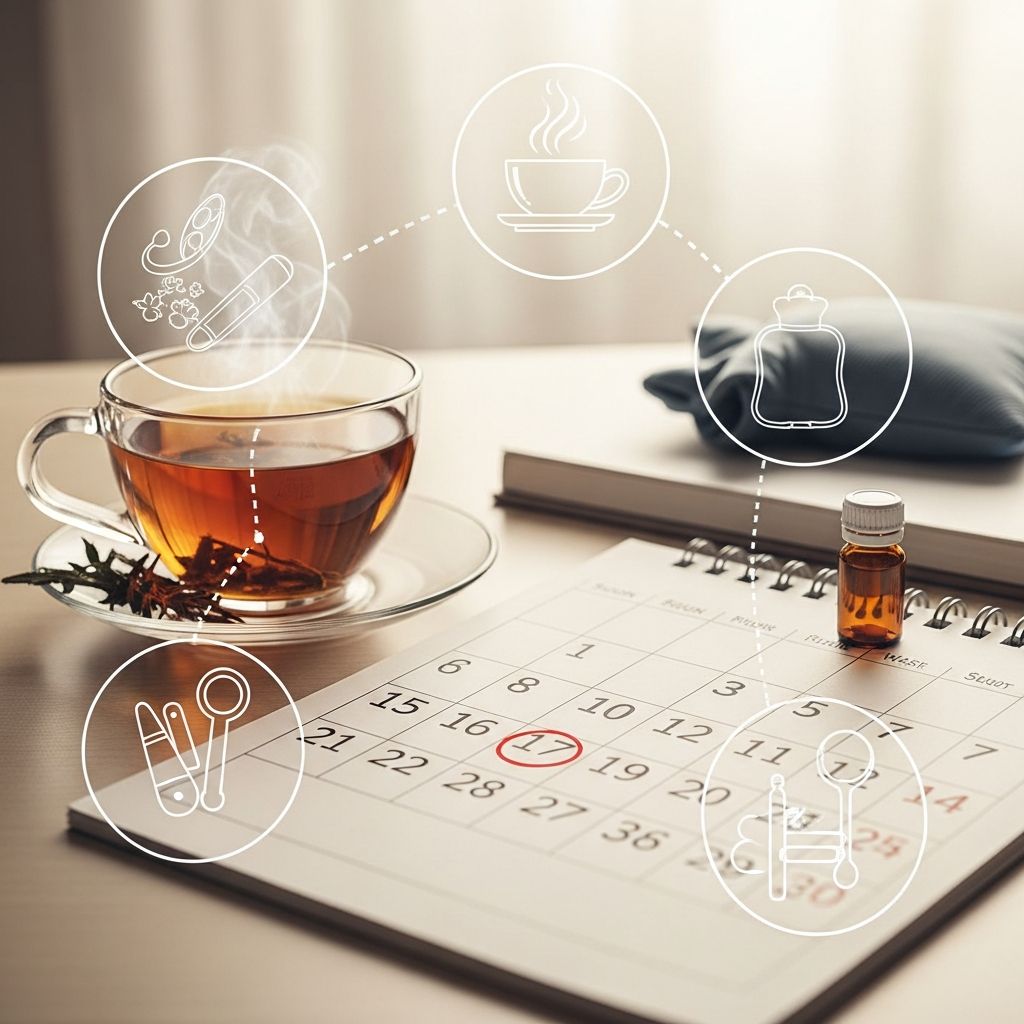
Whether you have an upcoming holiday, an important event, or medical concerns about irregular periods, you may wonder if it’s possible to induce your menstrual cycle. The good news is that inducing a period is possible and generally safe when done under proper medical guidance. However, understanding which methods actually work—and which don’t—is crucial for making informed decisions about your reproductive health.
Why Would You Want to Induce Your Period?
There are numerous legitimate reasons why someone might want to induce their period. According to medical experts, the motivations vary widely depending on individual circumstances and health needs.
Medical reasons include regulating irregular periods, treating certain gynecological conditions, or managing fertility treatments. The most common medical reason to induce a period is when there has been a prolonged delay between cycles (a condition called oligomenorrhoea) or a complete absence of menstruation (amenorrhea).
Personal reasons are equally valid. Many people choose to induce or intentionally delay their period to avoid menstruating during special occasions, vacations, or important events. This allows individuals to maintain control over when their period occurs, reducing potential inconvenience or discomfort during significant life moments.
Additionally, some individuals may want to induce their period to establish a regular menstrual cycle or to support their fertility planning efforts.
Understanding Your Menstrual Cycle
To understand how period induction works, it helps to know how your body naturally regulates menstruation. Your menstrual cycle is controlled by two primary hormones: estrogen and progesterone. These hormones rise and fall in a carefully orchestrated rhythm throughout your cycle. When these hormone levels drop at the end of your cycle, the uterus sheds its lining, resulting in menstruation.
When you induce a period using hormonal medications, these drugs chemically manage the peaks and troughs of your natural hormones, signaling the uterus to shed its lining on a schedule you can control.
Hormonal Birth Control: The Most Reliable Method
According to medical professionals, hormonal birth control is the only reliable method for controlling your menstrual cycle. Multiple forms of hormonal contraception can be used to induce or delay a period, depending on your specific needs and medical history.
Combined Oral Contraceptive Pills
The combined pill, which contains both estrogen and progestin, is the most effective method for controlling when your period occurs. Typically, people take hormonal pills for 21 days, then stop taking them or take a placebo pill for 7 days, during which their period naturally arrives.
If you want your period to come earlier, you can stop taking the hormonal pill early and allow your cycle to begin. Conversely, you can skip the placebo week and start a new pack immediately to delay your period.
However, it’s important to note that if you don’t take your birth control pills exactly as prescribed, they may be less reliable for preventing pregnancy.
Progestin-Based Therapies
For inducing a period, healthcare providers may recommend progestin-based therapy, which includes progesterone-only treatments. In some medical situations—particularly when medically indicated—a combination of medications including Mifepristone and Misoprostol may be used to bring on menstrual bleeding.
Related Stories



Other Hormonal Options
Beyond oral pills, several other hormonal contraceptive methods can help control your menstrual cycle:
- Hormonal vaginal rings
- Progestin-only injections
- Intrauterine devices (IUDs)
- Gonadotropin-releasing hormone therapies
Your healthcare provider will determine which medication type or formulation is best based on your individual health needs and the reason your period needs to be induced or delayed.
Natural Methods: Limited Evidence But Worth Exploring
While hormonal birth control is the most reliable approach, some natural methods may help encourage your period to start, particularly if you’re not currently using hormonal contraception. However, it’s important to understand that these methods have limited scientific backing.
Exercise
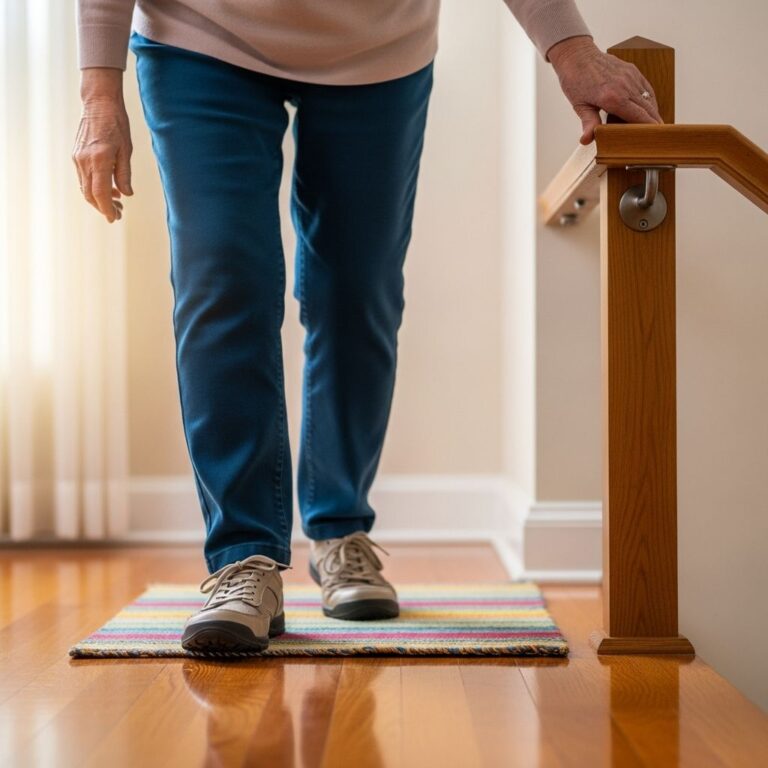
Modifying your exercise routine may help kickstart menstruation. According to the Centers for Disease Control and Prevention, moderate-intensity aerobic exercise generally involves about 30 minutes most days of the week, while vigorous movement requires about 15 minutes most days of the week.
The theory behind exercise-induced period induction involves changes in body composition and hormone levels that may influence your menstrual cycle. However, research specifically proving this connection remains limited.
Stress Reduction
Chronic stress can delay or disrupt your menstrual cycle. Taking steps to relieve stress may help normalize your cycle and potentially encourage your period to arrive. Simple stress-reduction techniques include:
- Stretching or practicing 4-7-8 breathing exercises
- Enjoying a cup of tea with intention
- Taking a mindful walk
- Drawing a warm bath or taking a steamy shower
- Organizing personal spaces
- Engaging in sexual activity (solo or partnered)
While these stress-management techniques won’t directly induce your period, reducing overall stress may create hormonal conditions more favorable to menstruation.
Dietary Approaches
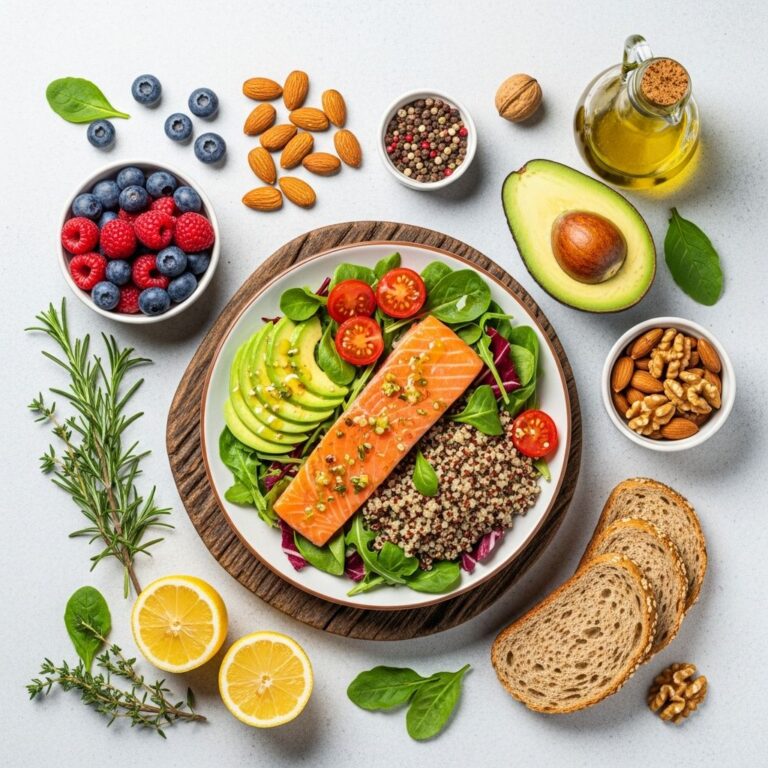
The internet frequently suggests consuming specific foods to induce a period, such as pineapple, papaya, or fenugreek. However, there is no scientific evidence that these dietary methods actually work. Some people believe vitamin C might influence estrogen and progesterone levels, but research does not support this claim. That said, increasing your dietary vitamin C intake is generally harmless and contributes to overall health.
Heat Application
Anecdotal reports suggest that applying heat to the abdominal area may help relax tense muscles and increase blood flow, potentially accelerating your menstrual cycle. While this approach seems plausible physiologically, research is needed to confirm whether it actually helps induce menstruation.
What Happens to Your Body When You Induce a Period?
When you use hormonal medication to induce a period, several changes may occur in your menstrual patterns:
- Changes in the nature of your period (lighter or heavier)
- Alterations in your flow rate
- Changes in the number of days you bleed
- Shifts in the regularity of your normal cycle
If you choose to remain on continuous hormonal contraception, you can actively manage when and how frequently you bleed.
It’s important to note that inducing your period does not fix underlying medical conditions that affect hormone function, nor does it alter your fertility status. If you experience irregular periods due to an underlying condition, inducing a period addresses the timing but not the root cause.
Is It Safe to Induce Your Period?
Yes, it is generally safe to induce your period when done under proper medical supervision. However, certain considerations apply:
- A thorough medical assessment is necessary before starting any period-induction treatment
- Young people who haven’t yet started their period cannot have their period induced
- Those concerned about fertility should discuss period induction with their healthcare provider
- Diagnostic tests may be required before treatment begins
Your doctor will discuss the most appropriate options for your individual situation.
Important Limitations and Misconceptions
You cannot induce your first-ever period. According to the American College of Obstetricians and Gynecologists (ACOG), a person’s first period typically arrives between ages 12 and 13, with 98 percent of females menstruating by age 15.
Additionally, if you use hormonal contraception that suppresses menstruation, you do not need to have a period to be healthy. Many people safely use hormonal birth control continuously without taking a break, resulting in no menstruation. This is medically safe and does not negatively impact your health.
When you induce your period for personal reasons—such as avoiding menstruation during special events or trips—you may experience temporary changes in your cycle, including variations in cycle length or irregular bleeding patterns. These changes are usually temporary and resolve once you resume your normal routine.
When to Seek Medical Attention
Certain situations warrant immediate consultation with a healthcare professional:
- You suspect you may be pregnant
- You miss three or more consecutive menstrual periods
- You bleed outside your expected menstrual period
- You bleed after penetrative sex or masturbation
- You experience sudden changes in menstrual flow, timing, or duration
- You are over age 45 and suddenly stop having periods (possible sign of menopause)
A healthcare professional can help diagnose underlying conditions and discuss appropriate treatment options.
Frequently Asked Questions
Q: Can I induce my period naturally without hormonal birth control?
A: While diet, exercise, and stress reduction may help, hormonal birth control is the only reliable method proven to control your menstrual cycle. Natural methods have limited scientific support, though they may provide modest benefits.
Q: Will inducing my period affect my fertility?
A: No. Inducing your period does not alter your fertility status or ability to become pregnant in the future. If you have underlying hormonal conditions, those may affect fertility, but period induction itself does not.
Q: Is it safe to use birth control pills to skip or induce my period?
A: Yes, doctors generally consider this safe. Both skipping your period and inducing it using hormonal birth control are medically approved methods when used as directed.
Q: What if I’m already pregnant—can I induce a period?
A: No, and if you suspect pregnancy, consult a healthcare provider immediately before attempting any period-induction methods. Herbal methods are not recommended for pregnant individuals or those nursing newborns.
Q: How long does it take for hormonal birth control to induce a period?
A: This varies depending on the type of hormonal contraceptive used. With combined oral contraceptives, your period typically arrives within 7 days of stopping the active pills or starting placebo pills. Your healthcare provider can give you specific timing based on your chosen method.
Q: Are there any foods that can induce my period?
A: Despite popular claims about pineapple, papaya, and other foods, there is no scientific evidence that any specific food reliably induces menstruation. While maintaining good nutrition supports overall hormonal health, no food directly triggers your period.
Key Takeaways
Inducing your period is possible and safe when approached correctly. Hormonal birth control is the only reliable, medically-proven method for controlling when your period occurs. Whether you choose the combined oral contraceptive pill, progestin-based therapies, or other hormonal options, working closely with your healthcare provider ensures you select the safest and most effective approach for your individual needs.
While natural methods like exercise, stress reduction, and dietary changes may provide modest support, they lack strong scientific backing. The internet’s popular suggestions—such as consuming large amounts of vitamin C or specific fruits—have no proven efficacy.
Before attempting to induce your period, consult with a qualified healthcare professional who can assess your medical history, perform necessary diagnostic tests, and recommend the most appropriate treatment plan. Remember that inducing your period addresses timing but not underlying hormonal or gynecological conditions, so ongoing medical support may be necessary.
References
- Can you induce your period? These doctors explain how to do it — Cosmopolitan UK. 2021. https://www.cosmopolitan.com/uk/body/health/a34959903/induce-period/
- Inducing a period: Potential methods, risks, and when to seek help — Medical News Today. https://www.medicalnewstoday.com/articles/324830
- How to Induce a Period: Natural Remedies, Methods, Risks — Healthline. Updated April 25, 2025. https://www.healthline.com/health/womens-health/induce-period
Similar Articles








Read full bio of medha deb