How To Keep Gnats Out Of Your Face: Expert Tips
Expert tips to repel gnats, prevent swarms, and protect your face from annoying bites during outdoor activities.
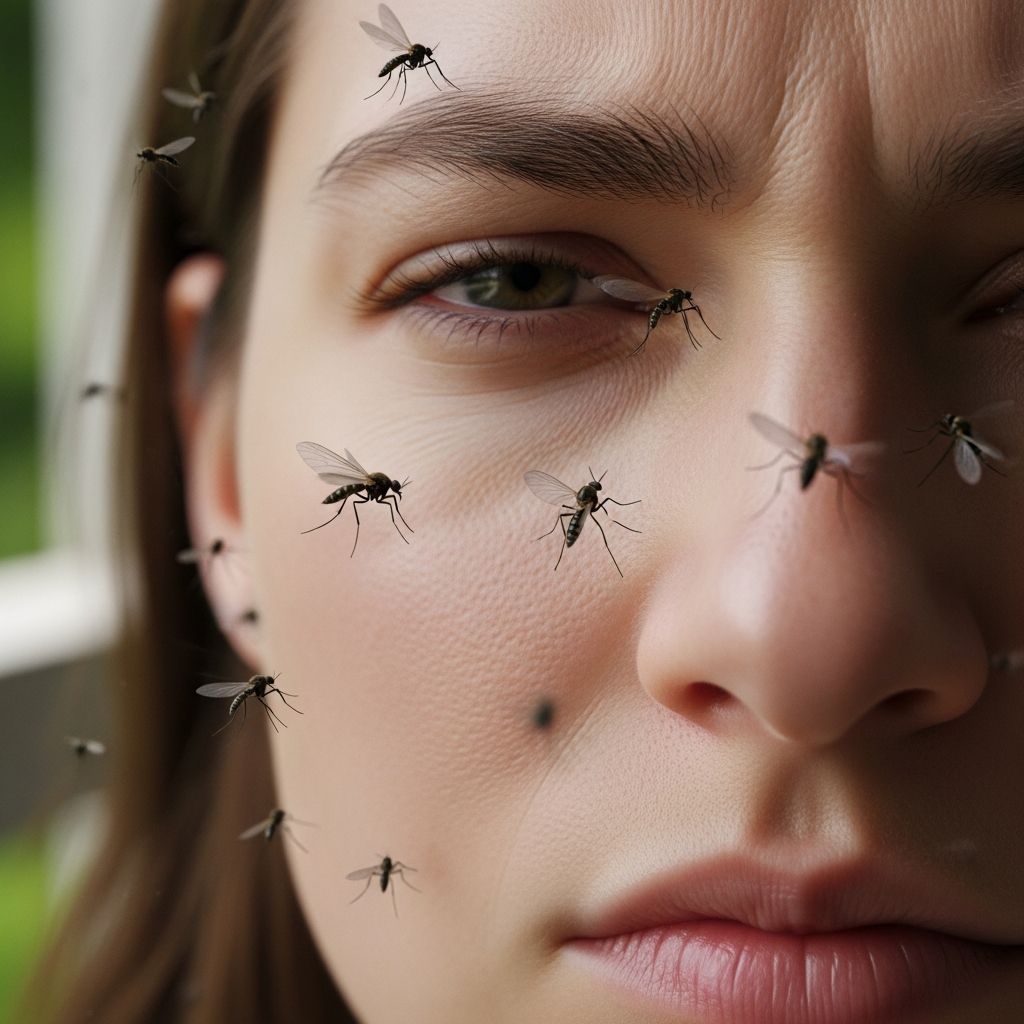
Gnats are tiny flying insects that swarm in clouds, particularly around the face, eyes, nose, and mouth, making outdoor activities miserable. These pests, often active at dawn and dusk, use scissor-like jaws to bite exposed skin, causing itching, swelling, and allergic reactions. Unlike mosquitoes, gnats target moist areas like the face due to breath, sweat, and carbon dioxide attraction. This guide covers why gnats plague the face, prevention strategies, treatment for bites, and home remedies, drawing from expert pest management advice.
Why Do Gnats Swarm Your Face?
Gnats, including biting midges (no-see-ums) and fungus gnats, are drawn to human faces primarily because of exhaled breath containing carbon dioxide, moisture from sweat, and body heat. They feed during midmorning and evening when humidity is high, swarming lights and moist skin. Biting gnats cut skin with scissor-like mouthparts, injecting saliva that triggers mild allergic responses like redness and intense itching, especially on thin facial skin around eyes, ears, nose, and lips.
Outdoors near water sources like streams, rivers, or damp soil amplifies swarms. Fungus gnats indoors don’t bite but spread via contaminated soil; however, outdoor biting species pose the real facial threat. Activity peaks in warm, humid conditions, making summer hikes or evening walks prime swarm times.
Best Ways to Repel Gnats from Your Face
Effective gnat repulsion combines physical barriers, chemical repellents, and behavioral adjustments. Experts from the National Pest Management Association (NPMA) recommend layered protection for high-infestation areas.
Use Proven Insect Repellents
Apply repellents directly to exposed skin, avoiding eyes and mouth. Key options include:
- DEET (N,N-diethyl-meta-toluamide): Repels gnats for 2-8 hours; concentrations over 30% may irritate skin, so use 20-30% for face.
- Picaridin: Gentler alternative to DEET, equally effective with less odor and skin irritation.
- Oil of Lemon Eucalyptus (OLE): Plant-based, CDC-approved for ages 3+; matches DEET efficacy but lasts shorter (2-4 hours). Avoid eyes due to irritation.
Reapply after sweating or swimming. For facial use, apply to hands first, then pat sparingly on cheeks, forehead, and neck.
Wear Protective Clothing and Gear
Gnats cannot bite through fabric, so cover up:
- Light-colored, long-sleeved shirts and pants in breathable fabrics.
- Wide-brimmed hats or head nets with fine mesh (smaller than standard window screens).
- Tucked-in clothing to minimize exposed skin.
Head nets are ideal for heavy swarms, fitting over hats for airflow.
Timing and Environmental Adjustments
Avoid peak activity: Stay indoors or limit exposure from dawn to midmorning and dusk. Use ceiling fans outdoors to disrupt weak fliers; high speed knocks gnats away. Install fine-mesh screens (smaller than 16-mesh) on patios.
Natural Remedies to Deter Gnats
For chemical-free options, try these evidence-backed home remedies:
- Essential Oils: Citronella, lavender, or peppermint oil diluted in carrier oil (e.g., coconut). Apply to face; reapply frequently as efficacy wanes.
- Vanilla Extract: Pure extract rubbed on skin mimics human scent confusion; safe for face but test for allergies.
- Garlic or Apple Cider Vinegar: Consume garlic or dilute vinegar as a rinse—internal odors may repel via breath.
Related Stories



These provide short-term relief but pair best with other methods.
How to Treat Gnat Bites on the Face
Gnat bites cause localized pain, itching, and swelling, worsened on facial skin. Immediate care prevents infection:
- Wash with soap and water, apply antiseptic.
- Reduce swelling with ice pack wrapped in cloth (10-15 minutes).
- Apply hydrocortisone cream or calamine lotion for itch relief.
- Oral antihistamines like Benadryl for severe reactions.
Seek medical help if swelling spreads, fever develops, or signs of infection appear (pus, increasing redness). Most resolve in days.
Preventing Gnats Indoors and Around Your Home
Indoor gnats often stem from overwatered plants or drains; control sources to protect entry to outdoor areas.
Houseplant Care
- Let topsoil dry between waterings; use gravel layer to deter laying eggs.
- Repot in fresh soil if infested.
- Apply Bacillus thuringiensis israelensis (BTI) to kill larvae safely.
Traps and Cleaning
Vinegar Traps: Effective for monitoring and reduction.
- Apple cider vinegar + dish soap in bowl: Gnats drown.
- Plastic wrap over vinegar jar with holes: Traps entering pests.
- Paper cone funnel with fruit: Irresistible lure.
Clean drains weekly to remove organic buildup. Sticky traps in soil catch adults.
Outdoor Prevention
Eliminate breeding sites: Empty standing water from birdbaths, fix gutters, improve drainage. Fans and screens keep patios gnat-free.
Gnat Prevention Table: Methods Comparison
| Method | Effectiveness | Duration | Best For | Drawbacks |
|---|---|---|---|---|
| DEET Repellent | High | 2-8 hours | Face/Body | Skin irritation possible |
| Head Net | Very High | Indefinite | Heavy Swarms | Hot in sun |
| Vinegar Trap | Medium | Ongoing | Indoors | Messy |
| Fan Use | Medium | While running | Patios | Electricity needed |
| OLE Oil | High | 2-4 hours | Natural Preference | Eye irritation |
Frequently Asked Questions (FAQs)
Are gnats harmful if they swarm your face?
Most are not disease vectors but bites cause irritation; rare spread of pinkeye or sepsis possible via contact.
What’s the best repellent for gnat face swarms?
Picaridin or DEET at 20-30%; head nets for ultimate protection.
Do natural remedies work against gnats?
Yes, OLE and citronella offer temporary relief; combine with barriers.
How do I stop gnats from houseplants affecting my face outdoors?
Dry soil, use BTI, and traps to break the cycle.
When are gnats most active around the face?
Dawn, dusk, and humid mornings/evenings near water.
Implementing these strategies ensures gnat-free outdoor enjoyment. Consistent prevention targets breeding and attraction for long-term control.
References
- Gnats: Types, Bites, and Management — WebMD. 2023-06-15. https://www.webmd.com/a-to-z-guides/gnats-what-to-know
- 12 Ways to Get Rid of Gnats in Your House and Backyard — Good Housekeeping. 2024-05-20. https://www.goodhousekeeping.com/home/a46626/how-to-get-rid-of-gnats/
- Preventing Mosquito Bites — Centers for Disease Control and Prevention (CDC). 2025-03-10. https://www.cdc.gov/mosquitoes/prevention/index.html
- Insect Repellents — U.S. Environmental Protection Agency (EPA). 2024-11-01. https://www.epa.gov/insect-repellents
Similar Articles








Read full bio of medha deb