How To Keep Kids Active Over The Summer: Easy, Practical Tips
Practical tips to ensure your children stay physically active, healthy, and happy during summer holidays with fun exercises and routines.
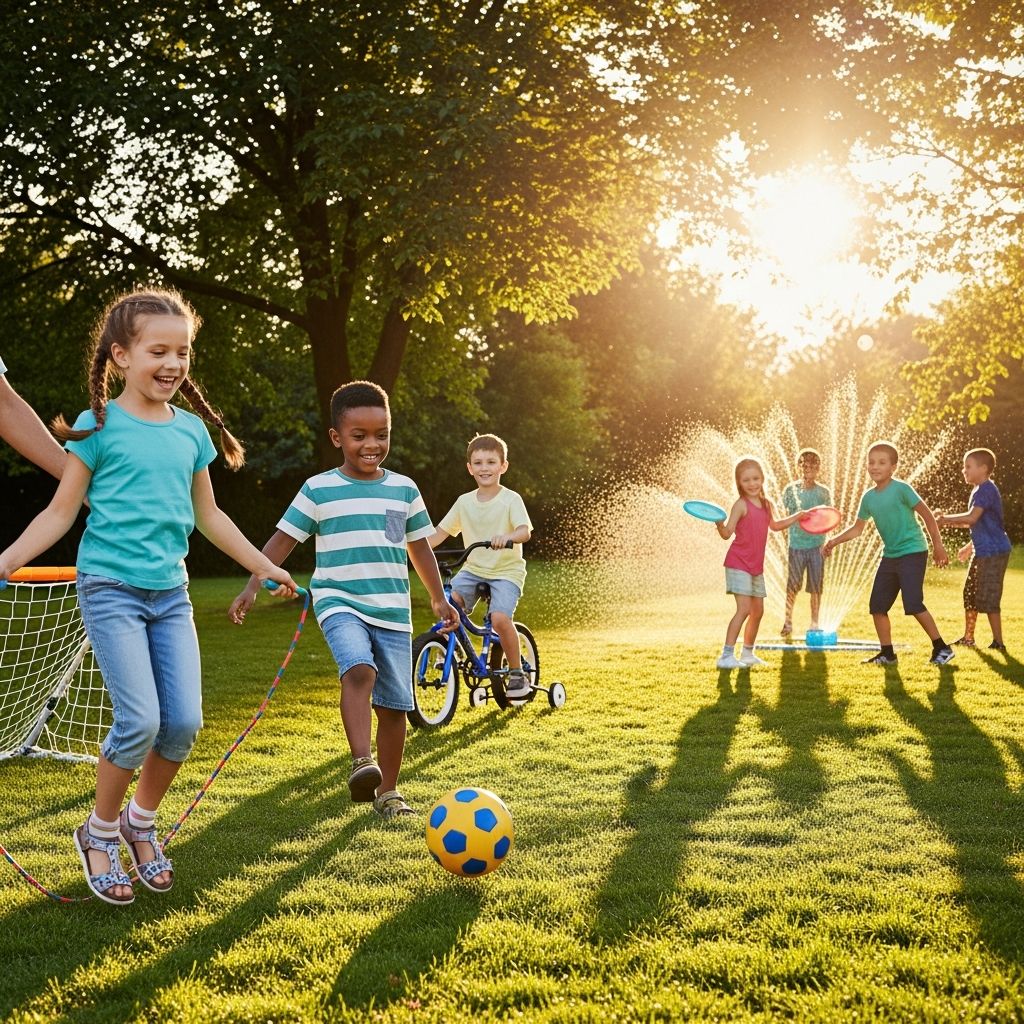
Summer holidays offer endless opportunities for children to play and explore, but without school routines, many kids experience a ‘summer slump’ in physical activity. According to the World Health Organization, children aged 5-18 should engage in around 60 minutes of moderate-to-vigorous physical activity daily, including muscle- and bone-strengthening exercises at least three days a week. This article explores practical strategies to keep kids moving, from invigorating swims to family bike rides, ensuring they stay healthy and happy throughout the break.
The Summer Slump
The transition from structured school days to unstructured summer freedom often leads to increased screen time and reduced movement, dubbed the ‘summer slump.’ Children’s Health experts note that all children need at least an hour of physical activity daily—structured or free play—to maintain health, with preschoolers requiring even more. Without routine, kids may miss out on physical, mental, and social benefits, gaining weight or losing fitness gained during the school year. Parents can counter this by planning daily activities that make exercise feel like play, breaking it into short 15-minute bursts if a full hour seems daunting.
The Benefits of Exercise
Regular physical activity is essential for children’s development. It strengthens heart and lungs, builds muscle and bone density, improves flexibility, and boosts mood through endorphin release. The NHS highlights swimming’s gentle impact on joints while delivering these gains, and outdoor time enhances vitamin D levels, reduces stress, and may protect against myopia via sunlight exposure. Mentally, exercise fosters better sleep, concentration, and self-esteem; socially, it encourages teamwork and creativity during play. Stanford Children’s Health emphasizes that active summers support overall growth, countering sedentary habits. Even simple games in parks or gardens—tag, football, or frisbee—meet these needs while building family bonds.
Swimming
Swimming stands out as a fantastic, low-impact summer activity. Its invigorating nature makes it ideal for hot days, blending fun with fitness seamlessly into holiday routines. The NHS outlines key benefits: it keeps hearts and lungs healthy, strengthens muscles, lifts mood, and improves flexibility without joint stress. Children’s Health recommends water play even without pools—run through sprinklers, create slip-and-slides with plastic sheeting, or play limbo under hose streams. Toss water balloons or soaked sponges for added excitement. Always supervise closely near water, apply SPF 30+ broad-spectrum sunscreen, and ensure hydration to prevent heat-related issues like cramps or exhaustion[10]. For variety, visit public pools or splash pads, aiming for sessions that contribute to the daily 60-minute goal.
Cycling
Cycling offers a family-friendly way to stay active, easier on joints than running and eco-friendly compared to driving. It promotes meaningful conversations while pedaling to parks or shops, combining exercise with errands. Children’s Health suggests biking alongside neighborhood walks, rollerblading, or hiking for diverse cardio. Start with short family rides, using helmets and visible clothing for safety. Adjust bike seats for proper fit to avoid strain, and incorporate hills for muscle strengthening. This activity not only hits WHO exercise targets but also teaches road awareness and environmental consciousness, making it perfect for bonding over summer adventures.
Online Activities
For rainy days or reluctant movers, online activities bridge the gap to physical fun. NHS’s 10 Minute Shake Up games encourage play-along exercises like dancing or jumping, ideal for sofa-bound kids. Safe educational sites like PBS Kids, Khan Academy Kids, National Geographic Kids, healthychildren.org, and myplate.gov offer interactive movement challenges. Limit screen time overall, using these as starters—follow a video workout with outdoor play. Memorial Regional Health advises balancing with routines to prevent excessive digital drift, ensuring tech supports rather than replaces activity. These tools make getting active accessible, even indoors.
Related Stories



Simple Things
Incorporate movement into daily routines with effortless activities. Walk the dog, garden together, or dance in the kitchen to music—these ‘simple things’ create healthy habits and cherished memories. Children’s Health ideas include Simon Says, Red Light/Green Light, hula hooping, jump ropes, or indoor dance parties with balloons. Build forts from cushions, sheets, and chairs for imaginative play involving crawling and climbing. Help with chores like dusting to music or vacuuming for boogie breaks. Sanford Health suggests gardening: plant seeds, weed, and water, blending science with physical effort. These low-pressure options fit bursts of activity anywhere, anytime.
- Walk or jog in the neighborhood.
- Dance around the house during cleaning.
- Balance on beams or dribble balls in obstacle courses.
- Play classic games like Hide and Seek.
- Garden or tend to plants daily.
Group Activities
Group settings amplify fun and motivation. Parks and playgrounds are perfect for tag, catch, or frisbee, fostering social skills. Create obstacle courses with household items—limbo under broomsticks, toss clothespins into buckets, or jump chairs—assigning kids to design stations. Neighborhood scavenger hunts, hide-and-seek, or family game nights keep everyone moving. Trampolines, team sports, or park walks build endurance playfully. Expert Foster notes: focus on enjoyment over performance at young ages to sustain interest. Summer camps or playdates add variety, per AAP guidelines for out-of-school settings. These shared experiences ensure long-term fitness enthusiasm.
Stay Happy
Activity boosts happiness by releasing feel-good hormones and reducing stress. Weill Cornell advises mixing activities to prevent overuse injuries—alternate swimming with cycling. Outdoor play sparks creativity and vitamin D benefits. Keep it fun: let kids lead games or choose activities. Positive reinforcement builds self-esteem. Hydrate frequently, use sunscreen, and watch for heat illness signs like cramps[10]. A happy, active child sleeps better, eats healthier, and returns to school energized.
Keep to a Schedule
Routine combats summer drift. Fill days with park visits, library storytimes, swim sessions, or game nights, limiting screens. Children’s Health and Memorial Regional Health stress schedules for thriving kids—morning walks, afternoon water play, evening dances. Track progress with charts rewarding 60-minute goals. Balance free play with structure, adjusting for weather. This predictability enhances mental well-being and consistency in habits.
Frequently Asked Questions (FAQs)
How much daily exercise do kids need in summer?
WHO recommends 60 minutes of moderate-to-vigorous activity daily for ages 5-18, with preschoolers needing more; break into bursts if needed.
What are safe water activities without a pool?
Sprinklers, slip-and-slides, hose limbo, and water balloons provide cooling fun; supervise closely and use sunscreen.
How can I motivate reluctant kids?
Use fun games, online shake-ups, family involvement, and choices; focus on play over performance.
What safety tips apply for outdoor play?
SPF 30+ sunscreen, hydration, helmets for biking, supervision near water, and mix activities to avoid injury[10].
Are indoor activities effective?
Yes—dance parties, obstacle courses, forts, and chore games count toward daily goals.
References
- How to Stay Active in Summer — Children’s Health. 2023. https://www.childrens.com/health-wellness/how-to-keep-kids-active-in-summer
- Tips to Keep Your Children Safe, Healthy, and Happy This Summer — Memorial Regional Health. 2024. https://memorialregionalhealth.com/health-topics/living-well-articles/memorial-regional-health-tips-to-keep-your-children-safe-health-and-happy-this-summer/
- How to keep kids active over the summer — Patient.info. 2024-06-12. https://patient.info/features/childrens-health/how-to-keep-kids-active-over-the-summer
- Keep kids active and safe during the summer — Sanford Health News. 2023. https://news.sanfordhealth.org/parenting/keep-kids-active-and-safe-during-the-summer/
- Essential Summer Safety Tips for Active Kids — Weill Cornell. 2024. https://weillcornell.org/news/essential-summer-safety-tips-for-active-kids
- Helping Kids Stay Safe, Healthy During Summer Break — Stanford Children’s Health. 2023. https://healthier.stanfordchildrens.org/en/helping-kids-stay-safe-healthy-during-summer-break/
Similar Articles








Read full bio of Sneha Tete