Protect Teeth from Whitening Toothpaste Damage
Discover safe ways to use whitening toothpastes without enamel damage, sensitivity, or gum irritation for a brighter smile.
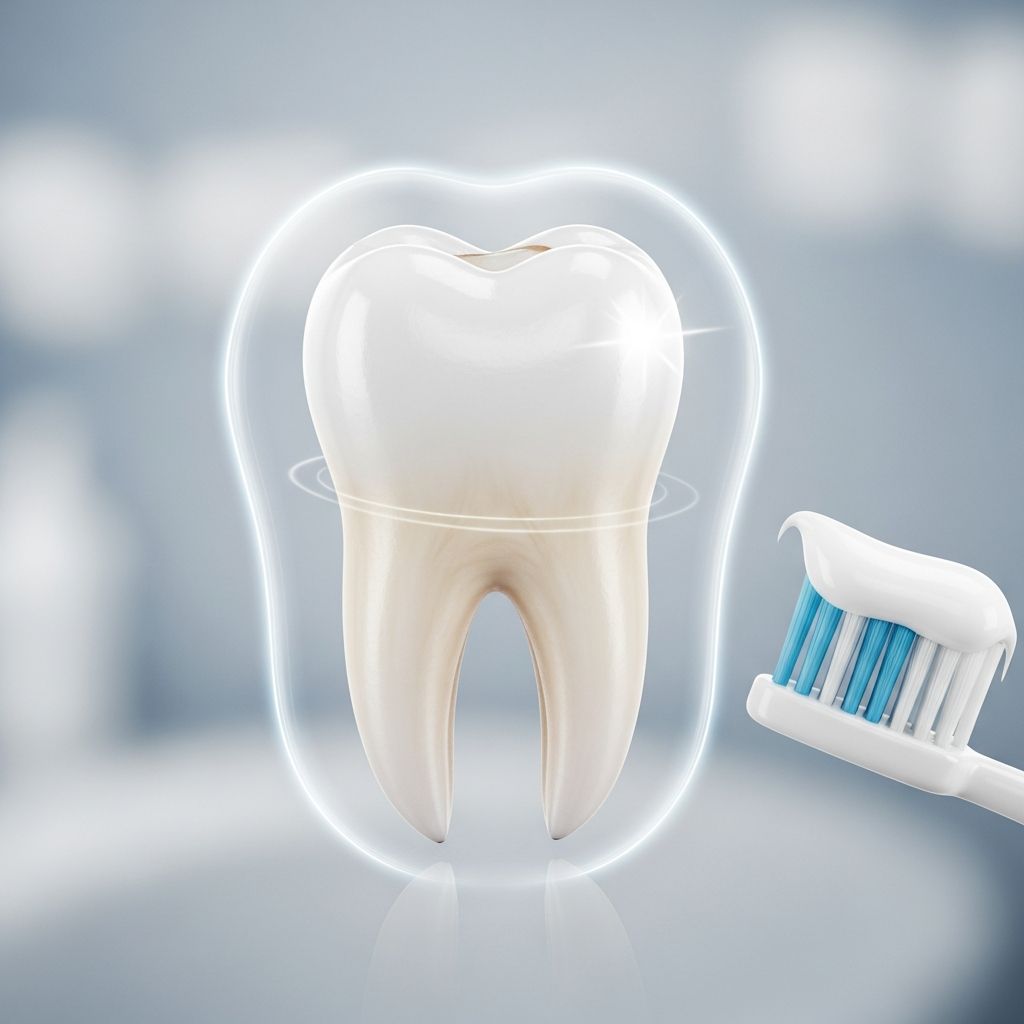
Whitening toothpastes promise a brighter smile by removing surface stains, but their abrasive ingredients and chemicals can harm enamel and cause sensitivity if misused. This guide explains how they work, common risks, and proven strategies to use them safely while maintaining oral health.
What Makes Whitening Toothpastes Different?
Unlike regular toothpastes,
whitening toothpastes
contain mild abrasives like silica or baking soda, plus low levels of hydrogen peroxide or carbamide peroxide to break down stains. These ingredients polish teeth and oxidize discoloration on the enamel surface, gradually revealing a whiter appearance.Enamel, the hard outer layer of teeth, protects dentin underneath. Whitening formulas have a Relative Dentin Abrasivity (RDA) value often above 100, compared to 70 or less for standard pastes. Higher RDA means greater polishing power but increased risk of wear over time.
- Abrasives: Scrub stains mechanically without altering tooth color.
- Peroxides: Chemically lift deeper stains safely in moderation.
- Enzymes or optical brighteners: Enhance perceived whiteness without abrasion.
Products with the
American Dental Association (ADA) Seal
meet safety standards for enamel abrasion and efficacy.How Whitening Toothpastes Can Hurt Your Teeth
Daily use of abrasive whitening toothpastes erodes enamel, exposing sensitive dentin and leading to pain from hot, cold, or sweet foods. Studies show toothpastes with hydrogen peroxide (HP) and citric acid (CA) at low pH (below 5) cause dentin loss even without brushing, worsening erosion.
Gum irritation occurs when gels contact soft tissues, causing redness or burning. Overuse thins enamel, increases cavity risk, and may result in translucent or uneven teeth.
| Risk | Symptoms | Cause |
|---|---|---|
| **Enamel Erosion** | Thinning, yellowing, fragility | Abrasives + acidic pH |
| **Tooth Sensitivity** | Sharp pain from temperature | Dentin exposure |
| **Gum Irritation** | Redness, burning | Peroxide overflow |
| **Uneven Whitening** | Patchy or translucent teeth | Over-whitening |
Research confirms commercial whitening toothpastes (WTs) with HP and CA do not significantly abrade dentin during brushing compared to regular pastes but cause erosion via immersion, influenced more by CA concentration than HP.
Who Should Avoid Whitening Toothpastes?
People with thin enamel, receding gums, existing sensitivity, or dental restorations should skip them. Children under 12 and pregnant individuals need dentist approval due to higher erosion risks.
- Existing cracks or fillings: Abrasives worsen damage.
- Sensitive teeth: Peroxides heighten nerve irritation.
- Orthodontics or veneers: Uneven results or material wear.
Consult a dentist for a professional assessment before starting.
7 Dentist-Approved Tips to Use Whitening Toothpaste Safely
Follow these strategies to minimize damage while whitening effectively.
- Choose ADA-Seal Products: Ensures low abrasivity (RDA under 250) and proven safety.
- Limit Use to 2-3 Times Weekly: Alternate with fluoride toothpaste to remineralize enamel.
- Use Soft-Bristle Brush Gently: Apply light pressure for 2 minutes; avoid scrubbing.
- Wait 30 Minutes Post-Whitening: Before eating/drinking to let enamel recover.
- Follow with Fluoride Rinse: Strengthens enamel against acid erosion.
- Monitor Sensitivity: Stop if pain occurs; pause 1-2 weeks.
- Pair with Professional Care: Cleanings remove deep stains safely.
Incorporate desensitizing agents like potassium nitrate for sensitive teeth.
Related Stories



Best Alternatives for Safe Whitening
For gentler options, consider professional treatments or low-abrasion products.
- In-Office Bleaching: Supervised peroxide gels for dramatic, safe results.
- Custom Trays: Dentist-fitted for precise application, minimizing gum contact.
- LED Whitening Kits: ADA-approved with controlled peroxide.
- Natural Aids: Oil pulling or fruit enzymes sparingly; avoid abrasive baking soda overuse.
Daily habits like quitting smoking, limiting coffee/stain foods, and flossing prevent stains better than overuse.
FAQs
Can whitening toothpaste damage enamel permanently?
Yes, excessive use erodes enamel irreversibly due to abrasives and low pH, exposing dentin. Limit to 2-3 times weekly.
Is whitening toothpaste safe for daily use?
No, daily abrasion wears enamel; use moderately and alternate with regular paste.
What if whitening toothpaste causes sensitivity?
Stop immediately, use fluoride paste, and see a dentist. Sensitivity signals enamel thinning.
Do whitening strips hurt less than toothpaste?
Strips target peroxide to teeth but can irritate gums if misused. ADA-approved are safer than abrasive pastes.
How long until whitening toothpaste shows results?
2-4 weeks with proper use; deeper stains need professional help.
Long-Term Oral Health for a Bright Smile
Prioritize enamel protection over quick whitening. Regular dental visits, fluoride use, and balanced diet sustain health. Over-whitening risks outweigh benefits; moderation ensures lasting results.
(Word count: 1678)
References
- Risks of Teeth Whitening Too Often: What You Need to Know — BLVD Dentistry. 2023. https://www.blvddentistry.com/effect-of-teeth-whitening-too-often/
- Whitening Toothpaste: Safe for Daily Use? — Castlebury Dental. 2024. https://castleburydental.com/blog/is-daily-whitening-toothpaste-safe/
- Effects of a commercial whitening toothpaste containing hydrogen peroxide and citric acid on dentin abrasion and dentin loss — PMC (Peer-reviewed). 2023-09-12. https://pmc.ncbi.nlm.nih.gov/articles/PMC10474654/
- 4 Dentist-Approved Ways to Safely Whiten Your Teeth — GoodRx. 2024. https://www.goodrx.com/conditions/dental-care/is-teeth-whitening-safe
Similar Articles








Read full bio of Sneha Tete