How to Keep Your Baby Safe and Warm in Winter
Essential tips for parents to protect infants from cold weather, ensuring safety, warmth, and health during winter months.
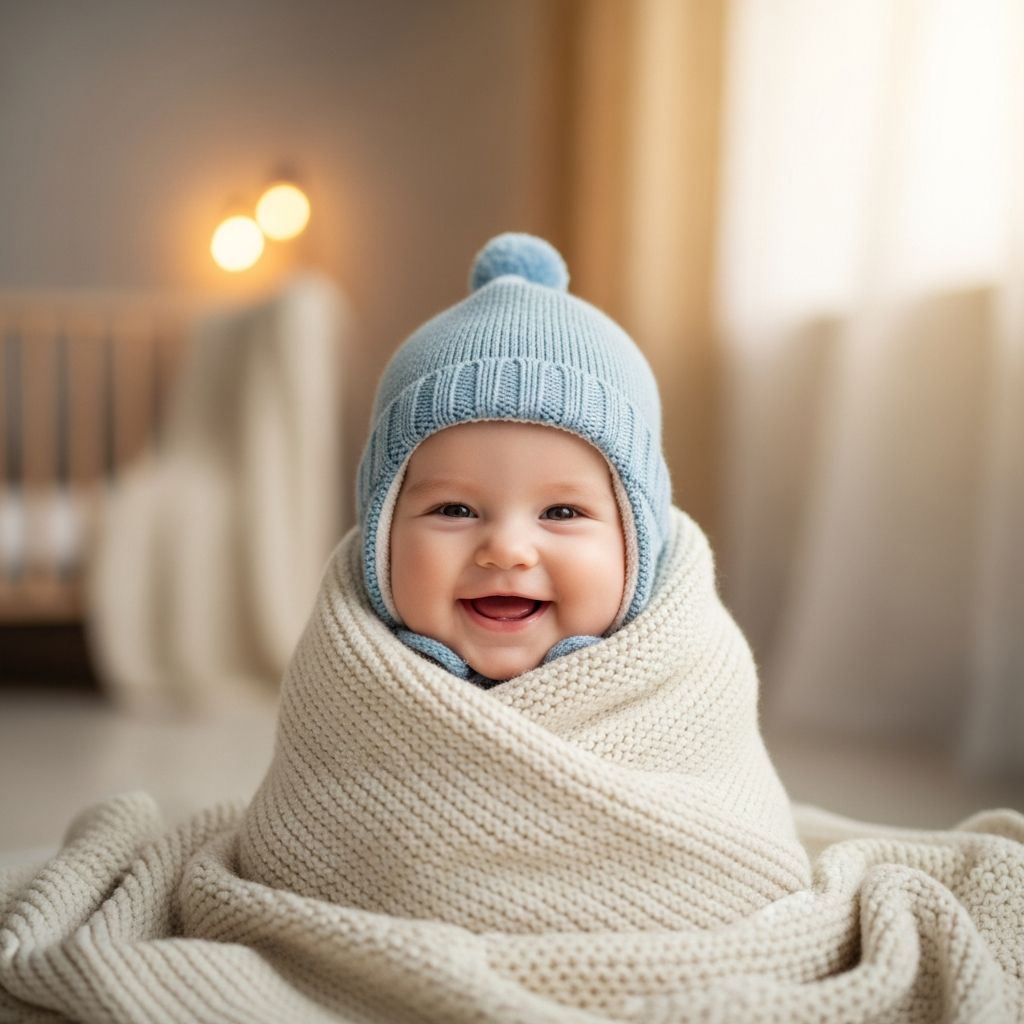
Winter brings colder temperatures, snow, and ice, posing unique challenges for parents of infants. Babies lose heat faster than adults due to their smaller size, less body fat, and immature temperature regulation systems. Keeping your baby safe and warm requires thoughtful preparation, from dressing in layers to ensuring safe sleep environments and car travel. This guide covers essential strategies to protect your little one during the coldest months, drawing on recommendations from pediatric experts.
Dressing Your Baby for Winter
The key to keeping your baby warm is layering clothes effectively. A general rule is to dress your baby in
one more layer
than you are wearing. This accounts for their higher heat loss. Start with a base layer of moisture-wicking fabrics like nylon or silk to keep skin dry—avoid cotton, which retains moisture and chills the body.Add a middle insulating layer, such as fleece or wool, followed by a waterproof outer layer for outdoor exposure. Always include
warm hat, socks or booties, mittens or gloves
, and a scarf if appropriate. Hats are crucial as babies lose significant heat from their heads. For thumb-suckers, opt for half-gloves with open fingers and pack extras, as wet gloves cool the hands.- Use close-fitting layers: long-sleeved bodysuit, tights or leggings, warmer top and pants.
- In extreme cold, add long underwear.
- A thin fleece jacket works as a final layer before outerwear.
- Bright colors enhance visibility for safety during outdoor play.
For outdoor activities, several thin layers trap warm air better than one thick coat. Warm boots with nonskid soles prevent slips on ice. Check exposed skin like noses and ears regularly for paleness, a sign of frostbite risk.
Safe Sleep in Cold Weather
Maintaining a safe sleep environment is paramount, especially in winter. Place the crib in the warmest, draft-free part of the room, away from windows and vents to avoid uneven temperatures. Never use loose blankets, quilts, or pillows, as they increase suffocation risks—opt for fitted sheets and a
sleep sack
instead.Sleep sacks have Thermal Overall Grade (TOG) ratings: 2.5 TOG for 61-68°F rooms, 1.0 TOG for 68-75°F. Choose based on your home’s temperature to prevent overheating or chilling. Avoid co-sleeping for warmth, as it raises the risk of Sudden Infant Death Syndrome (SIDS) and suffocation. Dress baby in one-piece sleepers or wearable blankets for safe insulation.
| Room Temperature (°F) | Recommended TOG Rating | Example Sleep Sack Use |
|---|---|---|
| 61-68 | 2.5 | Warmer sack for cooler nights |
| 68-75 | 1.0 | Lighter sack for milder rooms |
| Below 61 | 3.0+ | Extra insulation; monitor closely |
Overheating is as dangerous as cold; feel the back of baby’s neck to check temperature—warm and dry is ideal.
Car Seat Safety in Winter
Puffy coats and snowsuits are
not safe in car seats
. In a crash, they compress, loosening straps and allowing slippage, per the American Academy of Pediatrics. Instead, dress baby in thin, snug layers inside the seat, then use the car seat blanket or coat over the harness post-buckling.- Store infant carrier indoors to keep it warm before use.
- Pack extra socks, mittens, hats for quick changes.
- Remove top layer or blanket once the car warms to prevent overheating.
- Keep baby’s face uncovered to avoid trapped hot air.
Related Stories



For added warmth during travel, use body carriers like slings or front packs when awake and walking—they share body heat and free hands—but never for sleep.
Outdoor Time and Cold Exposure Limits
Fresh air benefits babies, even in winter. The American Academy of Pediatrics notes it’s safe for bundled newborns down to -15°F, but limit time based on temperature. Below 0°F, keep kids indoors to avoid hypothermia and frostbite.
Dress in layers: base (moisture-wicking), middle (insulating), outer (windproof/waterproof). Supervise constantly, checking for signs like shivering, pale skin, or lethargy. Bring indoors immediately if suspected; warm slowly with skin-to-skin contact or lukewarm water—never rub frostbitten areas.
- Short outings (15-30 minutes) for older babies in mild cold.
- No outdoor play below 0°F for infants.
- Apply sunscreen—UV rays reflect off snow.
- Hydrate; cold air dries out little ones.
Preventing Hypothermia and Frostbite
**Hypothermia** occurs when body temperature drops below 95°F, with symptoms like intense shivering, confusion, or drowsiness in babies.
Frostbite
affects extremities first, turning skin white, waxy, or numb. Risk heightens in wet clothes or wind chill.Prevention:
- Layer properly; change wet clothes immediately.
- Limit exposure; use wind chill charts.
- Warm affected areas in 98-104°F water for 30 minutes; seek medical help.
Regular skin checks on cheeks, nose, ears, fingers, toes are vital during prolonged cold exposure.
Winter Emergency Preparation
Stock up before storms: extra formula, diapers, wipes, medications, baby food, water. Keep a car kit with blankets, dry clothes, hats, gloves, non-perishables, flashlight. Charge phones and have backup power for monitors or pumps.
- Know nearest warming centers or hospitals.
- Early starts for travel account for bundling time.
- Multiple layers beat bulky gear for flexibility.
For power outages, layer family in warm areas; use safe heaters away from baby.
Indoor Winter Health Tips
Winter traps families inside, raising illness risks. Humidify dry air to prevent cracked skin or respiratory issues. Wash hands frequently; avoid sick contacts. Continue vaccinations, including flu shots for eligible infants.
Encourage tummy time on warm floors; use safe toys. Monitor for seasonal affective disorder cues in older babies, ensuring natural light.
Frequently Asked Questions (FAQs)
Q: How many layers should my baby wear in winter?
A: One more layer than an adult in the same conditions, using thin, wicking fabrics.
Q: Are puffy coats safe in car seats?
A: No, they compress in crashes; use thin layers and cover post-harness.
Q: What’s the best way to warm a cold baby at night?
A: Use a TOG-rated sleep sack in a draft-free room; avoid loose blankets.
Q: Can newborns go outside in winter?
A: Yes, if well-bundled, down to -15°F for short times; limit below 0°F.
Q: How do I spot frostbite in my baby?
A: Pale, waxy skin on extremities; bring indoors, warm gently, see a doctor.
Q: Should I co-sleep to keep baby warm?
A: No, it increases SIDS risk; use safe sleep methods instead.
By following these guidelines, parents can confidently navigate winter with their baby, prioritizing safety and comfort. Consult your pediatrician for personalized advice, especially for premature or high-risk infants.
References
- Keeping your baby warm in winter — Children’s Health. 2023. https://www.childrens.com/health-wellness/keeping-your-baby-warm-in-winter
- Winter Health and Safety Tips for Kids — Children’s Hospital Colorado. 2024. https://www.childrenscolorado.org/just-ask-childrens/articles/winter-safety-tips-for-kids/
- Winter Weather: Keep Babies And Toddlers Safe — Franciscan Health. 2023. https://www.franciscanhealth.org/community/blog/winter-weather-keep-babies-and-toddlers-safe
- Cold Weather Safety for Children: Preventing Frostbite & Hypothermia — American Academy of Pediatrics (healthychildren.org). 2024. https://www.healthychildren.org/English/safety-prevention/at-play/Pages/Cold-Weather-Safety.aspx
- Winter Safety Tips — Seattle Children’s Hospital. 2023. https://www.seattlechildrens.org/health-safety/injury-prevention/winter-safety-tips/
Similar Articles








Read full bio of Sneha Tete