How to Keep Your Kids Sun Safe This Summer
Essential tips to protect children's delicate skin from harmful UV rays during summer outdoor fun and activities.
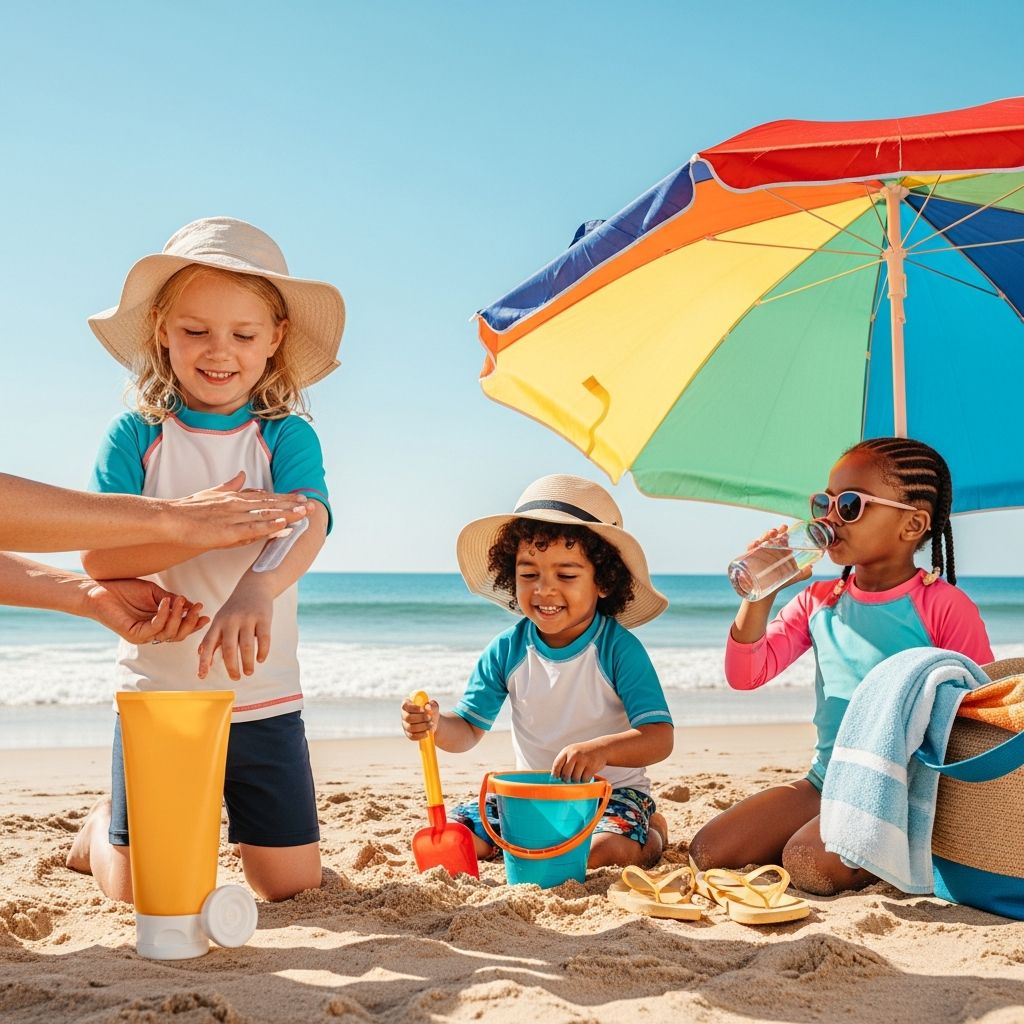
Summer brings endless opportunities for children to play outside, but excessive sun exposure poses serious risks to their delicate skin. Ultraviolet (UV) rays can cause sunburn, premature aging, and increase the lifetime risk of skin cancer, with one-quarter of lifetime sun exposure occurring during childhood. Protecting kids requires a multi-layered approach including shade, clothing, sunscreen, and smart timing. This guide covers proven strategies from pediatric experts to ensure safe summer fun.
Why Sun Protection Matters for Children
Children’s skin is thinner and more sensitive than adults’, making them prone to quicker and more severe sunburns. Even on cloudy days, up to 80% of UV rays penetrate clouds, and reflective surfaces like water, sand, and concrete amplify exposure. Early sun damage accumulates, raising melanoma risk—the deadliest skin cancer. Establishing good habits young teaches lifelong protection.
Keep Babies Under 6 Months Out of Direct Sunlight
Babies younger than 6 months have developing skin that’s extra thin and sensitive, burning easily. Avoid direct sunlight entirely; use shade from trees, umbrellas, or stroller canopies. Dress them in lightweight, long-sleeved clothing covering arms and legs. If small areas like the face are exposed, apply a minimal amount of SPF 30+ sunscreen only after consulting a pediatrician. Prioritize shade and coverage over sunscreen for this age group.
Avoid Peak Sun Hours: 10 AM to 4 PM
UV rays peak between 10 a.m. and 4 p.m., delivering the strongest damage. Limit direct exposure during these hours by planning indoor activities, playdates in shaded areas, or rest times. If outdoors is unavoidable, combine shade, clothing, and frequent sunscreen reapplication. This simple timing shift prevents most sun damage from routine play.
Dress Kids in Protective Clothing
Clothing provides the best defense against UV rays. Opt for:
- Tightly woven, lightweight long sleeves and pants that block rays effectively when dry—wet fabric loses protection.
- UPF-rated swimwear like rash guards for water play.
- Wide-brimmed hats with neck flaps to shield face, scalp, ears, and neck.
Darker colors and dry fabrics offer superior protection. Change wet clothes promptly.
Choose the Right Sunglasses for UV Eye Protection
UV rays harm eyes too, potentially causing cataracts or growths. Select youth-sized sunglasses blocking 99-100% UVA/UVB rays—check labels. Encourage regular wear to protect retinas and teach eye safety habits.
Apply Sunscreen Correctly Every Time
For children over 6 months, use broad-spectrum SPF 30+ sunscreen (higher for fair skin) with zinc oxide or titanium dioxide for mineral-based, non-irritating protection. Key application rules:
- Apply generously 15-30 minutes before outdoor time to allow absorption.
- Cover all exposed areas: face, ears, nose, feet, hands, backs of knees.
- Reapply every 2 hours, or immediately after swimming, sweating, or toweling.
- Avoid sprays due to inhalation risks; use lotions.
Related Stories



Use even on cloudy days or in shade near reflective surfaces. Most people under-apply, so be liberal.
Check Medications for Photosensitivity Risks
Some antibiotics, acne meds, or supplements heighten sun sensitivity, increasing burn risk. Review labels or consult a pharmacist/pediatrician for your child’s prescriptions. Extra precautions like more frequent sunscreen reapplications are essential.
Recognize and Treat Sunburn Promptly
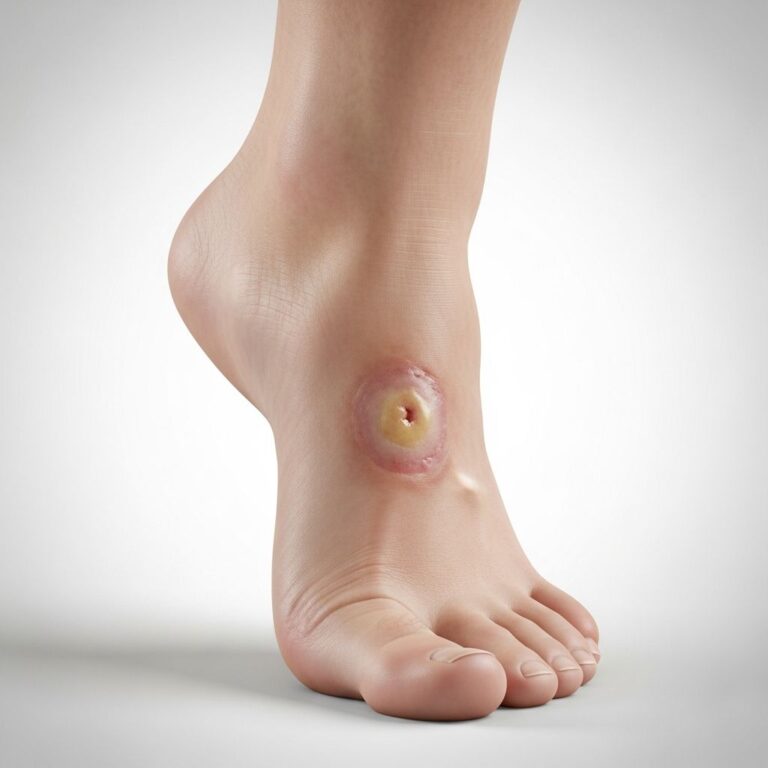
Sunburn signs include redness, pain, swelling, or blisters. Act quickly:
- For babies under 1 year or any severe symptoms (blisters, fever, pain), call pediatrician immediately.
- Cool baths soothe skin; apply pediatrician-approved aloe or 1% hydrocortisone.
- Give age-appropriate pain relief like acetaminophen (over 2 months) or ibuprofen (over 6 months).
- Ensure hydration with plenty of fluids.
- Keep out of sun until healed; cover burns if outdoors.
Don’t pop blisters to avoid infection/scarring. Teach kids to spot early signs like warmth or tenderness.
Hydration and Additional Precautions
Sun exposure dehydrates quickly. Encourage frequent water intake, avoiding sugary drinks. Watch for heat-related illness signs like dizziness. Use UV-index apps for daily forecasts to plan activities.
Long-Term Skin Checks and Habits
Monitor for changing moles or spots; teach self-checks. Monthly head-to-toe exams catch issues early. Model sun-safe behavior yourself.
| Type | Best For | SPF Recommendation | Reapply Frequency |
|---|---|---|---|
| Mineral (Zinc/Titanium) | Sensitive skin, babies 6m+ | 30+ | Every 2 hours |
| Chemical | Active kids | 30-50 | Every 2 hours or swim |
| Water-Resistant | Swimming/Pools | 30+ | Every 80 min in water |
Frequently Asked Questions (FAQs)
What SPF is best for children?
SPF 30+ broad-spectrum for most kids; higher for fair skin or intense exposure. Mineral-based preferred.
Can kids get sunburn in the shade?
Yes, UV reflects off surfaces; always use sunscreen and clothing.
Is sunscreen safe for babies?
Over 6 months yes, minimally on exposed areas. Under 6 months, prioritize shade/clothing.
How often reapply sunscreen?
Every 2 hours, or after water/sweat regardless of water-resistant label.
What if my child gets a bad sunburn?
Seek doctor for blisters/fever; soothe with cool baths, hydration, OTC pain relief as approved.
References
- 8 Sun and Skin Safety Tips for a Fun Summer — Connecticut Children’s. 2023. https://www.connecticutchildrens.org/growing-healthy/8-sun-and-skin-safety-tips-fun-summer
- Sun Safety Tips for Kids — Tufts Medicine. 2024. https://www.tuftsmedicine.org/about-us/news/sun-safety-tips-kids
- Sun Safety: Information for Parents About Sunburn & Sunscreen — American Academy of Pediatrics (healthychildren.org). 2024-05-01. https://www.healthychildren.org/English/safety-prevention/at-play/Pages/Sun-Safety.aspx
- Sun Safety — Nemours KidsHealth. 2024. https://kidshealth.org/en/parents/sun-safety.html
Similar Articles








Read full bio of medha deb