When You’ll Need Insulin: 5 Clear Signs To Watch
Learn the key signs, symptoms, and A1C levels that indicate when insulin therapy becomes necessary for managing type 2 diabetes effectively.
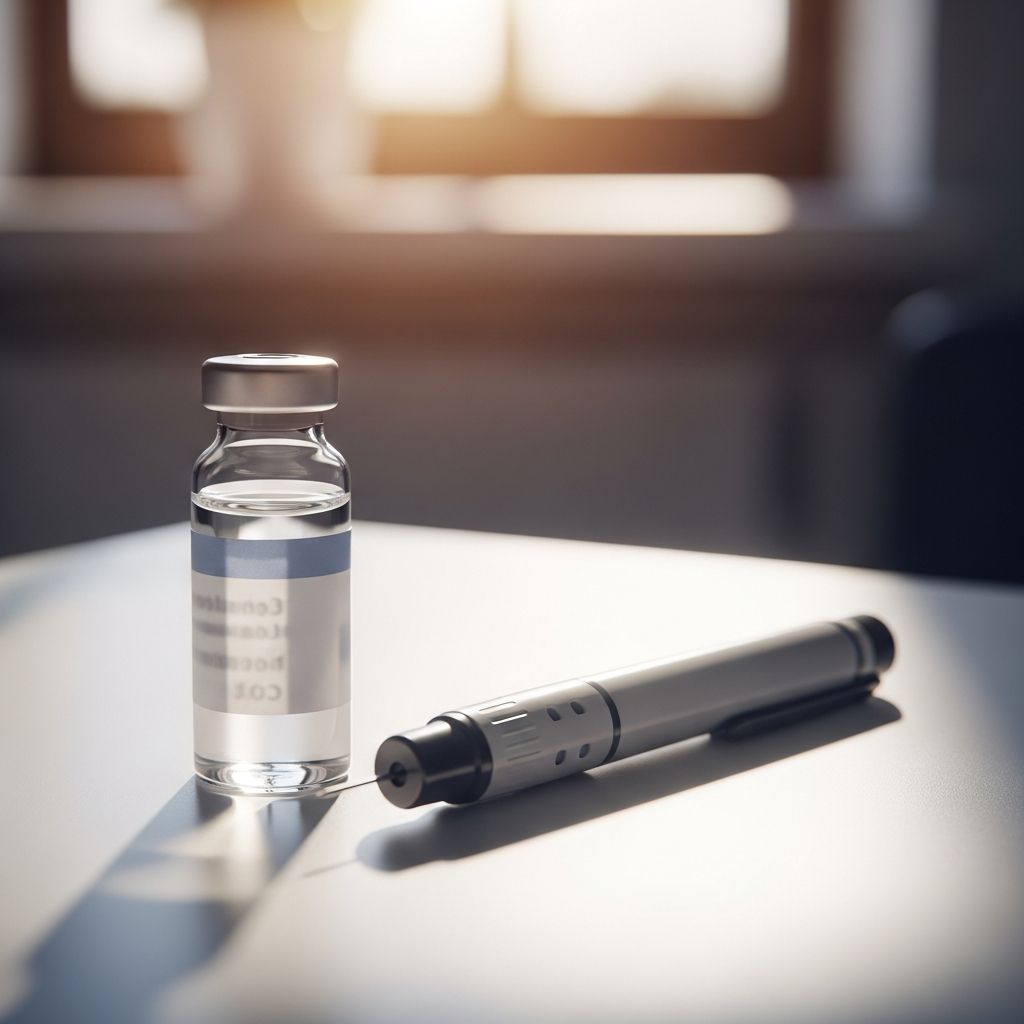
Type 2 diabetes often begins with lifestyle changes and oral medications, but many people will eventually need insulin to maintain healthy blood sugar levels. Insulin therapy becomes essential when the pancreas can no longer produce enough insulin or when the body develops significant resistance, leading to persistent hyperglycemia.
According to evidence from long-term studies, most individuals with type 2 diabetes will require insulin as beta-cell function declines over time. Recognizing the signs early allows for timely intervention, preventing complications like cardiovascular disease, neuropathy, and kidney damage.
What Does Insulin Do?
Insulin is a hormone produced by the pancreas that regulates blood glucose by facilitating its uptake into cells for energy. In type 2 diabetes, insulin resistance prevents cells from responding properly, causing glucose to build up in the bloodstream (hyperglycemia).
Initially, the pancreas compensates by producing more insulin (hyperinsulinemia). Over time, beta-cells fatigue, reducing insulin secretion. This progressive decline means oral agents alone may not suffice, necessitating exogenous insulin to mimic natural regulation and achieve target A1C levels below 7% for most patients.
Signs You May Need Insulin
Several clinical indicators signal the transition to insulin therapy. These include laboratory results, symptoms, and responses to prior treatments.
- Persistent high A1C levels: An A1C above 8.5-9% despite optimized oral medications often warrants insulin, as oral agents have limited efficacy at higher thresholds.
- Fasting blood glucose consistently over 130-140 mg/dL: Daily monitoring revealing unremitting hyperglycemia indicates failing endogenous insulin.
- Postprandial spikes: Blood sugar exceeding 180 mg/dL two hours after meals suggests inadequate mealtime insulin coverage.
- Classic symptoms returning: Increased thirst (polydipsia), frequent urination (polyuria), unexplained weight loss, fatigue, or blurred vision despite treatment adherence.
- Rapid progression: Need for multiple oral agents within a short period or deteriorating control signals accelerated beta-cell loss.
Short-term studies confirm that insulin achieves target control in high percentages of patients uncontrolled on orals, with maintainable results over years and low hypoglycemia rates.
A1C Levels That Signal Insulin Need
A1C, reflecting average blood glucose over 2-3 months, is a key metric. Guidelines suggest considering insulin when:
| A1C Level | Indication | Action |
|---|---|---|
| <7.5% | Typical target achievable with orals/lifestyle | Optimize current regimen |
| 7.5-8.0% | Borderline; assess adherence | Add oral agent or consider basal insulin |
| >8.0-8.5% | Oral agents unlikely sufficient | Strongly consider insulin |
| >9-10% | Symptomatic hyperglycemia likely | Initiate insulin promptly |
For patients with comorbidities or hypoglycemia risk, targets may relax to 8%. Evidence from trials like ORIGIN shows insulin safely maintains control with modest weight gain (2.1 kg) and low severe hypoglycemia (1% per year).
Other Reasons You Might Need Insulin
Beyond routine progression, specific scenarios accelerate insulin necessity:
- At diagnosis with severe hyperglycemia: HbA1c >8.5% or glucose >250 mg/dL with symptoms; temporary insulin reduces glucose toxicity, potentially inducing remission.
- Illness or surgery: Stress hyperglycemia requires insulin’s flexibility for rapid control.
- Glucocorticoid use: Steroids induce insulin resistance; insulin counters this effectively.
- Pregnancy or weight loss failure: Gestational needs or stalled progress on GLP-1 agonists/GLP/GIP therapies.
- Advanced complications: Kidney disease limits oral options, favoring insulin.
Premixed or basal-bolus regimens offer tailored approaches, with mealtime insulin added progressively.
How Insulin Therapy Is Started
Providers typically begin with basal insulin (e.g., glargine) at 10 units or 0.2 units/kg nightly, titrating by 2-4 units based on fasting glucose. Targets: fasting 80-130 mg/dL.
Related Stories



If A1C remains elevated, add prandial insulin (rapid-acting) to largest meals. Combination with metformin/SGLT2 inhibitors/GLP-1s enhances efficacy and mitigates weight gain.
Patient education on injection technique, hypoglycemia recognition (shakes, sweats, confusion), and carb counting is crucial. Continuous glucose monitors (CGMs) aid precise adjustments.
What to Expect on Insulin
- Improved control: 1-2% A1C drop initially; sustained with adherence.
- Weight gain: 2-4 kg average; mitigated by lifestyle and adjunct therapies.
- Hypoglycemia risk: ~10% yearly non-severe events; minimized with education.
- Lifestyle integration: No dietary restrictions beyond carb management; exercise enhances sensitivity.
- Long-term benefits: Reduced microvascular complications per UKPDS legacy effects.
Insulin does not cause dependency; it’s a physiologic replacement. Many achieve remission post-intensification.
Types of Insulin for Type 2 Diabetes
| Type | Onset/Peak/Duration | Use Case |
|---|---|---|
| Basal (e.g., glargine, detemir) | 1-2 hrs / flat / 20-24 hrs | Fasting control |
| Rapid (e.g., lispro, aspart) | 15 min / 1-2 hrs / 3-5 hrs | Mealtime boluses |
| Premixed (e.g., 70/30) | Varies | Simplified twice-daily |
Choice depends on regimen complexity tolerance.
Frequently Asked Questions (FAQs)
Does everyone with type 2 diabetes eventually need insulin?
No, but most will as beta-cell function declines over 5-10 years. Early intervention preserves function longer.
Will insulin make my blood sugar worse?
No, it normalizes levels. Fear of insulin (psychological insulin resistance) is common but unfounded.
How quickly does insulin work?
Basal effects in days; full control in 1-2 weeks with titration.
Can I stop insulin once started?
Possible in remission cases post-intensification, but monitor closely.
Is insulin expensive?
Costs vary; generics and assistance programs available. Benefits outweigh expenses by preventing complications.
Does insulin cause weight gain?
Modest gain possible due to anabolic effects; pair with diet/exercise.
Can I travel on insulin?
Yes, with planning: carry supplies, doctor note, CGM for time zones.
This comprehensive guide empowers informed discussions with providers. Regular monitoring and adherence optimize outcomes in type 2 diabetes management.
References
- Insulin Therapy in People With Type 2 Diabetes — PubMed Central (PMC). 2016-10-01. https://pmc.ncbi.nlm.nih.gov/articles/PMC5131884/
- Type 2 Diabetes: What It Is, Causes, Symptoms & Treatment — Cleveland Clinic. 2025-11-21. https://my.clevelandclinic.org/health/diseases/21501-type-2-diabetes
Similar Articles








Read full bio of Sneha Tete