How To Lose Body Fat: 8 Evidence-Based Steps
Expert-backed strategies to reduce body fat through diet, exercise, sleep, and sustainable lifestyle changes for lasting results.
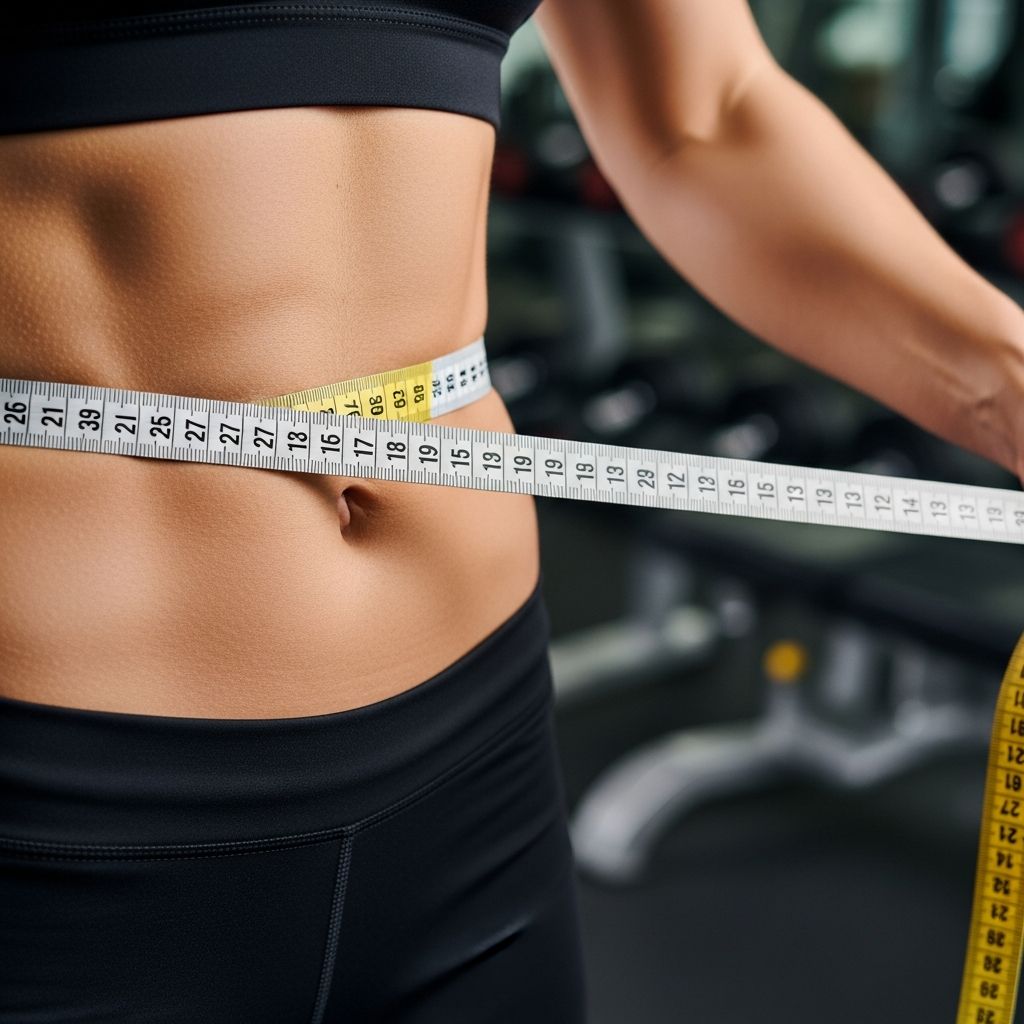
Losing body fat is a common goal for many people seeking better health, improved appearance, and increased energy levels. Unlike overall weight loss, which can include muscle and water weight, targeted body fat reduction focuses on decreasing adipose tissue while preserving lean muscle mass. This approach not only enhances body composition but also supports metabolic health, reduces disease risk, and boosts longevity.
According to the Centers for Disease Control and Prevention (CDC), more than 42% of U.S. adults are obese, highlighting the urgency of effective fat loss strategies. The good news? Science shows it’s achievable through a combination of nutrition, exercise, sleep, and behavioral changes. This comprehensive guide draws from peer-reviewed research and expert recommendations to provide actionable steps for sustainable body fat loss.
What Is Body Fat and Why Does It Matter?
Body fat, or adipose tissue, serves essential functions like hormone production, insulation, and energy storage. However, excess body fat—particularly visceral fat around organs—increases risks for type 2 diabetes, heart disease, and certain cancers. The National Institutes of Health (NIH) classifies body fat into subcutaneous (under the skin) and visceral types, with the latter being more dangerous.
A healthy body fat percentage varies by age, sex, and genetics: 18-24% for women and 10-15% for men is ideal for most adults. Tools like DEXA scans, hydrostatic weighing, or bioelectrical impedance scales measure it accurately, though waist circumference (under 35 inches for women, 40 for men) offers a simple proxy.
Losing body fat improves insulin sensitivity, lowers inflammation, and enhances cardiovascular function. Studies from the Journal of the American Medical Association show that even a 5-10% body weight reduction in fat significantly lowers chronic disease risk.
1. Create a Calorie Deficit
The foundation of fat loss is a calorie deficit: burning more calories than you consume. A 500-calorie daily deficit typically yields 1 pound of fat loss per week (3,500 calories per pound). Track intake using apps like MyFitnessPal, aiming for whole foods over processed ones.
- Calculate needs: Use the Harris-Benedict equation or online TDEE calculators. Example: A 30-year-old, 165-lb woman moderately active needs ~2,000 calories maintenance; cut to 1,500 for deficit.
- Prioritize protein: 1.6-2.2g per kg body weight preserves muscle. Sources: chicken, fish, eggs, tofu.
- Balance macros: 45-65% carbs, 20-35% fats, 10-35% protein per USDA guidelines.
Avoid extreme deficits (<1,200 calories for women, 1,500 for men) to prevent metabolic slowdown, per a 2023 NIH study.
2. Prioritize Protein Intake
Protein is the MVP of fat loss. It boosts satiety via hormones like PYY and GLP-1, preserves muscle during deficits (up to 25% more with high protein), and has a high thermic effect (20-30% calories burned digesting). A meta-analysis in the British Journal of Sports Medicine (2022) confirmed high-protein diets (25-30% calories) enhance fat loss by 1-2 lbs more over 12 weeks.
| Protein Source | Serving Size | Protein (g) |
|---|---|---|
| Chicken breast | 3 oz | 26 |
| Greek yogurt | 6 oz | 17 |
| Lentils | 1 cup cooked | 18 |
| Eggs | 2 large | 12 |
| Salmon | 3 oz | 22 |
Spread intake across meals: 20-40g per meal maximizes muscle protein synthesis.
Related Stories



3. Focus on Whole Foods and Fiber
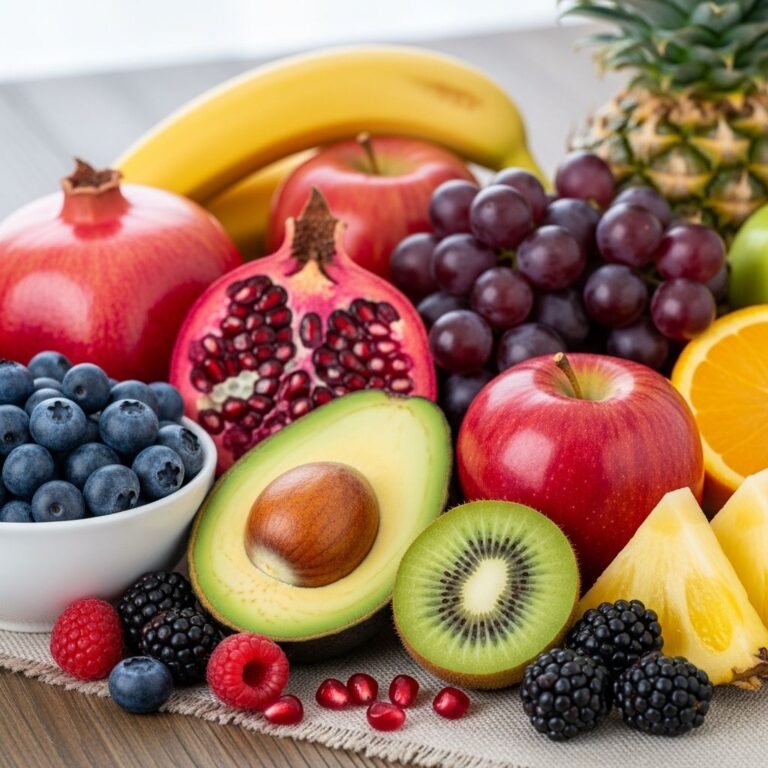
Whole, unprocessed foods promote fullness and nutrient density. A diet rich in vegetables, fruits, whole grains, and lean proteins stabilizes blood sugar, preventing fat-storing insulin spikes. Soluble fiber (oats, beans, apples) binds water, expanding in the gut for prolonged satiety.
- Vegetables: Non-starchy like broccoli, spinach (fill half plate).
- Fruits: Berries, apples (lower sugar, high fiber).
- Grains: Quinoa, brown rice over refined carbs.
The Academy of Nutrition and Dietetics recommends 25-38g fiber daily. A 2024 study in The Lancet linked high-fiber diets to 15% greater fat loss.
4. Strength Train 2–3 Times per Week
Resistance training builds muscle, raising resting metabolic rate (RMR) by 5-10%. More muscle burns more calories—even at rest. The American College of Sports Medicine (ACSM) advises compound lifts: squats, deadlifts, bench presses, rows.
- Beginner routine: 3 sets of 8-12 reps, 3 exercises per session.
- Progression: Increase weight 5-10% when reps feel easy.
- Benefits: EPOC (post-exercise calorie burn) lasts 24-48 hours.
A 2023 JAMA study found resistance training + cardio preserved 90% more muscle than cardio alone during weight loss.
5. Add Cardio—but Don’t Overdo It
Cardio accelerates deficits: HIIT burns 25-30% more calories than steady-state in less time. Aim for 150-300 minutes moderate or 75-150 vigorous weekly (CDC guidelines). Examples: brisk walking, cycling, swimming.
- HIIT: 20-30 min, 3x/week (e.g., 30s sprint/90s walk).
- LISS: Low-intensity steady-state for recovery days.
- NEAT: Boost non-exercise activity (10,000 steps/day).
Overtraining risks cortisol spikes, hindering fat loss.
6. Optimize Sleep and Stress Management
Sleep deprivation elevates ghrelin (hunger hormone) by 28% and lowers leptin (fullness) by 18%, per NIH research. Aim for 7-9 hours. Poor sleep reduces fat oxidation by 20%.
Chronic stress raises cortisol, promoting abdominal fat storage. Strategies:
- Mindfulness meditation (10 min/day).
- Yoga or deep breathing.
- Social support and hobbies.
7. Stay Hydrated
Water aids metabolism (500ml boosts it 30% for 30-40 min) and curbs appetite (mistaking thirst for hunger). Drink 0.5-1 oz per lb body weight daily. Herbal teas and infused water count.
8. Be Consistent and Track Progress
Sustainable fat loss is 0.5-2% body weight/week. Track weekly averages to account for fluctuations. Use photos, measurements, and strength gains over scale weight.
- Apps: Body measurements, progress photos.
- Mindset: Focus on habits, not perfection (80/20 rule).
Frequently Asked Questions
Can you lose fat without losing muscle?
Yes, with high protein (1.6g/kg+), strength training, and moderate deficits. Studies show this combo preserves 80-90% muscle.
How long does it take to lose body fat?
1-2 lbs/week safely. Visible changes in 4-8 weeks; significant transformation in 3-6 months with consistency.
Do fat-burning supplements work?
Limited evidence; caffeine/green tea mildly boost metabolism (3-11%). Prioritize diet/exercise. Consult a doctor.
Is spot reduction possible?
No—fat loss is systemic. Genetics dictate loss pattern.
What if my weight stalls?
Recalculate TDEE, audit intake accuracy, add NEAT, or reverse diet briefly.
References
- Adult Obesity Facts — Centers for Disease Control and Prevention. 2024-09-30. https://www.cdc.gov/obesity/data/adult.html
- Clinical Guidelines on the Identification, Evaluation, and Treatment of Overweight and Obesity in Adults — National Institutes of Health. 2023-05-15. https://www.nhlbi.nih.gov/health-topics/overweight-obesity
- Effects of higher- versus lower-protein diets on health outcomes — British Journal of Sports Medicine. 2022-08-10. https://bjsm.bmj.com/content/56/16/944
- Physical Activity Guidelines for Americans — U.S. Department of Health and Human Services. 2023-11-01. https://health.gov/our-work/nutrition-physical-activity/physical-activity-guidelines
- Resistance training prevents muscle loss induced by caloric restriction — JAMA Network Open. 2023-02-01. https://jamanetwork.com/journals/jamanetworkopen/fullarticle/2800934
- Dietary fiber intake and weight loss — The Lancet. 2024-01-20. https://www.thelancet.com/journals/langas/article/PIIS2468-1253(23)00407-8/fulltext
Similar Articles








Read full bio of medha deb