PCOS Weight Loss: 7 Science-Backed Strategies
Effective strategies for women with PCOS to achieve sustainable weight loss and manage symptoms through diet, exercise, and medical support.
Polycystic ovary syndrome (PCOS) affects up to 10-15% of women of reproductive age, often leading to weight gain due to insulin resistance and hormonal imbalances. Losing even 5-10% of body weight can significantly improve symptoms like irregular periods, infertility, and metabolic risks.
Weight management is challenging but achievable with targeted strategies combining lifestyle changes, diet, exercise, and sometimes medications. A retrospective study of 68 obese women with PCOS showed that 80% experienced clinical improvements after losing a median of 8kg through lifestyle modifications and metformin over one year.
What Is PCOS?
PCOS is a common endocrine disorder characterized by irregular menstrual cycles, excess androgens (male hormones), and polycystic ovaries. Obesity exacerbates insulin resistance, creating a cycle that promotes fat storage, particularly abdominal fat. This heightens risks for type 2 diabetes, cardiovascular disease, and sleep apnea.
Symptoms include hirsutism (excess hair growth), acne, hair loss, and fertility issues. The Rotterdam criteria diagnose PCOS if two of three features are present: oligo/anovulation, hyperandrogenism, and polycystic ovarian morphology on ultrasound.
Why Is It Hard to Lose Weight With PCOS?
Insulin resistance impairs glucose uptake, leading to higher insulin levels that stimulate ovarian androgen production and fat accumulation. Hormonal imbalances disrupt appetite regulation, making hunger harder to control. Studies confirm even lean PCOS patients benefit from weight loss, but obese individuals see greater symptom relief with lower baseline BMI predicting better outcomes.
Historic underfunding in PCOS research has left gaps in evidence-based guidance, pushing many toward unproven social media diets. Frustration from past failures can worsen mental health, but structured approaches yield results.
Talk With Your Doctor First
Before starting any weight loss plan, consult a healthcare provider. They can rule out other conditions, assess metabolic health, and recommend personalized interventions like metformin or GLP-1 receptor agonists (GLP-1 RAs). Blood tests for glucose, insulin, lipids, and hormones guide treatment.
Doctors may prescribe metformin (750-1000mg daily) to improve insulin sensitivity, aiding 5-10% weight loss when combined with lifestyle changes.
Best Diet for PCOS Weight Loss
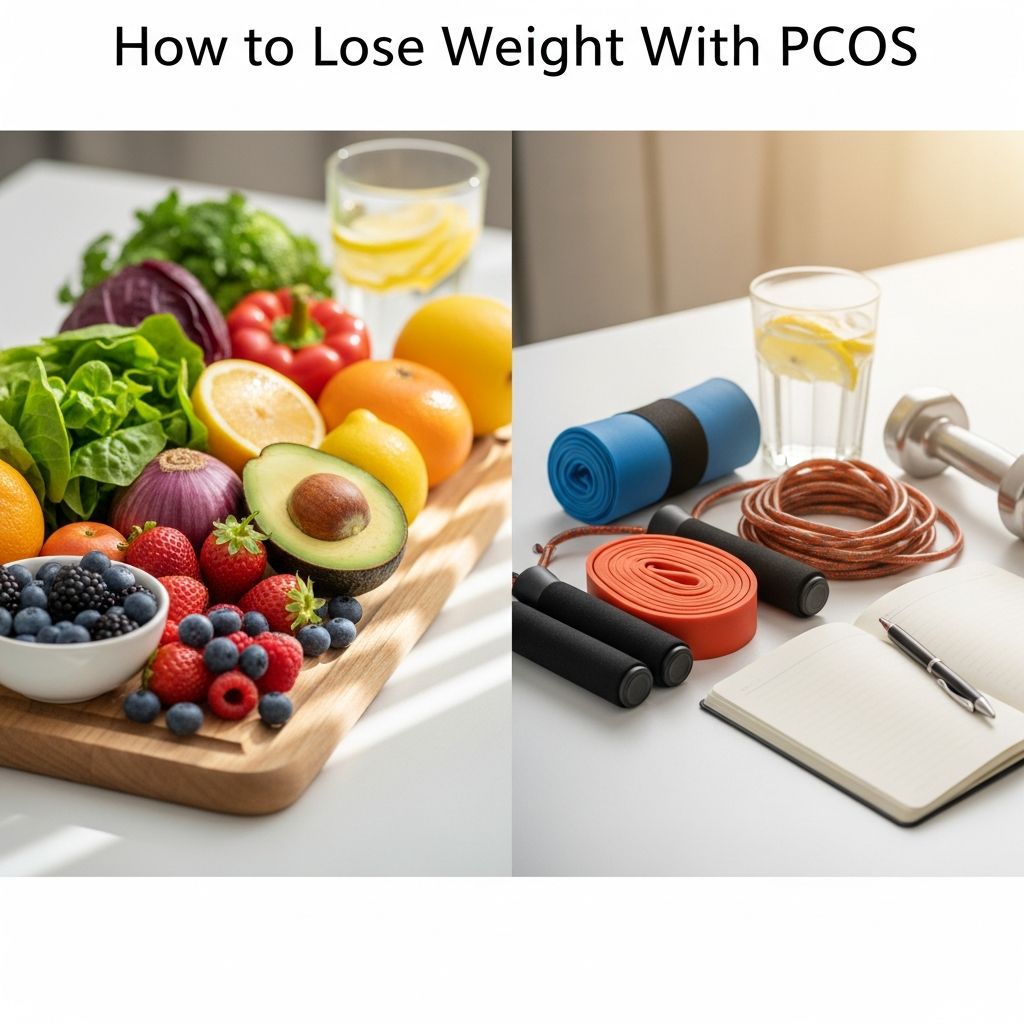
No single diet is superior, but calorie reduction and low-glycemic index (GI) foods help manage insulin. Aim for sustainable deficits of 500-1000 calories daily for 0.5-1kg weekly loss. Focus on whole foods: fruits, vegetables, lean proteins, whole grains, and healthy fats.
- Low-carb or Mediterranean diets: Reduce refined carbs; emphasize fiber-rich veggies, nuts, fish, and olive oil. A meta-analysis supports behavioral interventions improving BMI and waist circumference.
- High-protein intake: 1.2-1.6g/kg body weight preserves muscle and boosts satiety.
- Anti-inflammatory foods: Berries, fatty fish, turmeric combat chronic low-grade inflammation.
- Avoid: Sugary drinks, processed foods, trans fats.
Regular meals, especially breakfast, stabilize blood sugar. One study linked 9 months of balanced diet to higher weight loss (p=0.002).
Best Exercises for PCOS Weight Loss
Combine aerobic (150min/week moderate or 75min vigorous) and resistance training (2-3x/week). Exercise improves insulin sensitivity independently of weight loss.
| Type | Examples | Benefits | Frequency |
|---|---|---|---|
| Aerobic | Brisk walking, cycling, swimming | Burns calories, boosts cardio health | 5 days/week |
| Strength | Weights, bodyweight squats, resistance bands | Builds muscle, raises metabolism | 2-3 days/week |
| HIIT | Interval sprints, circuit training | Enhances fat loss, insulin response | 2-3 days/week |
| Flexibility | Yoga, Pilates | Reduces stress, aids recovery | Daily |
Related Stories



Start slow to avoid burnout. Behavioral programs incorporating exercise lead to sustained improvements.
Sample Meal Plan for PCOS
A 1500-1800 calorie plan (adjust per needs):
- Breakfast: Greek yogurt with berries, chia seeds, almonds (high protein, fiber).
- Lunch: Grilled chicken salad with quinoa, avocado, olive oil dressing.
- Snack: Apple with peanut butter.
- Dinner: Baked salmon, sweet potato, broccoli.
- Evening snack: Cottage cheese with cucumber.
Hydrate with 2-3L water daily; herbal teas help.
Supplements for PCOS Weight Loss
Evidence is mixed; use under guidance:
- Inositol (myo- or D-chiro-): Improves insulin sensitivity, ovulation.
- Omega-3s: Reduce inflammation.
- Vitamin D: Common deficiency in PCOS; supports metabolism.
- Spearmint tea: May lower androgens.
Medications and Advanced Options
Metformin: First-line; reduces appetite, aids 5-10% loss.
GLP-1 RAs (e.g., semaglutide): Appetite suppression yields 11.5kg average loss; 80% menstrual normalization in one study. Emerging for PCOS at lower BMI thresholds.
Bariatric surgery: For severe obesity; resolves PCOS in some.
Lifestyle Changes Beyond Diet and Exercise
- Sleep: 7-9 hours; poor sleep worsens insulin resistance.
- Stress management: Meditation, therapy; cortisol promotes fat gain.
- Tracking: Apps for food/exercise logs build habits.
- Support: Groups or coaching combat isolation.
How Much Weight Loss Helps PCOS Symptoms?
5% loss restores ovulation in many; 10% maximizes benefits. Lower baseline BMI predicts better clinical improvement (p<0.001). Improvements include regular periods (55.9% baseline issue), reduced hirsutism, better fertility.
Potential Pitfalls and How to Avoid Them
- Unproven diets: Keto/vegan lack PCOS superiority; focus on sustainability.
- Plateaus: Adjust calories, vary workouts.
- Mental health: Seek help for disordered eating risks from social media.
Frequently Asked Questions (FAQs)
Can I lose weight with PCOS without medication?
Yes, lifestyle changes alone achieve 5-10% loss, improving symptoms in 80% of cases when consistent.
How long does it take to see results?
Noticeable changes in 3-6 months; 9 months optimal for significant loss.
Is semaglutide safe for PCOS?
Promising short-term; long-term data needed. Use under medical supervision.
Does exercise alone help without diet changes?
It improves insulin sensitivity but pairs best with calorie control for weight loss.
Can PCOS go into remission with weight loss?
Yes, substantial loss resolves symptoms in some obese cases.
References
- Effect of Weight Loss on Symptoms of Polycystic Ovarian Syndrome — Karger Publishers. 2023. https://karger.com/dmj/article/4/2/127/104500/Effect-of-Weight-Loss-on-Symptoms-of-Polycystic
- Polycystic ovary syndrome: losing weight can help but many sufferers are vulnerable to bad advice on social media — University of Oxford Primary Health Care. 2024. https://www.phc.ox.ac.uk/blog/polycystic-ovary-syndrome-losing-weight-can-help-but-many-sufferers-are-vulnerable-to-bad-advice-on-social-media
- Weight Management Strategies to Reduce Metabolic Morbidity in Women with Polycystic Ovary Syndrome — PMC/NCBI. 2024. https://pmc.ncbi.nlm.nih.gov/articles/PMC11882674/
Similar Articles








Read full bio of medha deb