How To Lower Blood Sugar: 12 Proven Tips For Better Control
Proven strategies to manage and lower blood sugar levels naturally for better diabetes control and overall health.
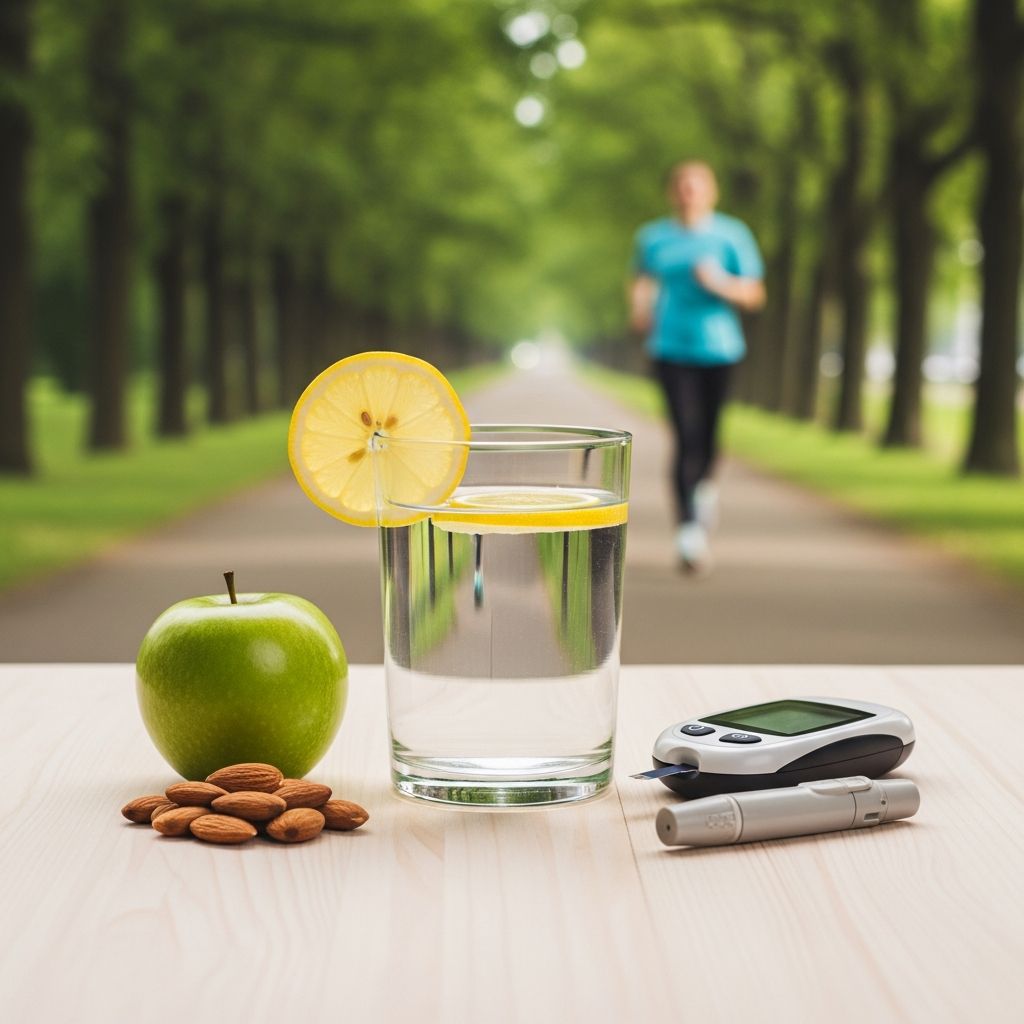
Maintaining healthy blood sugar levels is crucial for everyone, but especially for those with diabetes or prediabetes. High blood sugar, or hyperglycemia, can lead to serious complications like heart disease, kidney damage, and nerve issues if left unmanaged. The good news? You can take proactive steps to lower blood sugar naturally and effectively through lifestyle changes, diet, and medical interventions. This comprehensive guide covers 12 proven strategies recommended by experts, helping you achieve better glycemic control and improve your overall health.
According to the Centers for Disease Control and Prevention (CDC), over 38 million Americans have diabetes, and millions more are at risk. Managing blood sugar isn’t just about medication—it’s a holistic approach combining exercise, nutrition, monitoring, and more. Whether you’re newly diagnosed or seeking better control, these tips can make a significant difference.
1. Exercise Regularly
Physical activity is one of the most effective ways to lower blood sugar immediately and over the long term. When you exercise, your muscles use glucose for energy, reducing blood sugar levels. Aerobic exercises like walking, cycling, and swimming are particularly beneficial, as they enhance insulin sensitivity.
A study published in the Journal of Applied Physiology found that even a single 30-minute session of moderate exercise can lower blood glucose by 20-30% in people with type 2 diabetes. Aim for at least 150 minutes of moderate-intensity aerobic activity per week, plus strength training twice weekly, as recommended by the American Diabetes Association (ADA).
- Best exercises: Brisk walking (30 minutes daily), cycling, swimming, dancing.
- Timing tip: Exercise after meals to blunt post-meal blood sugar spikes.
- Caution: Monitor blood sugar before, during, and after exercise, especially if on insulin, to avoid hypoglycemia.
Start slow if you’re new to exercise, and consult your doctor to create a safe plan tailored to your health status.
2. Choose Low-Glycemic Foods
Your diet plays a pivotal role in blood sugar management. Foods with a low glycemic index (GI) release glucose slowly into the bloodstream, preventing sharp spikes. Focus on whole, unprocessed foods rich in fiber, which slows digestion and absorption.
Examples include non-starchy vegetables (broccoli, spinach, kale), legumes (lentils, chickpeas), berries, nuts, and whole grains like quinoa and oats. The ADA emphasizes balanced plates: half vegetables, one-quarter lean protein, and one-quarter whole grains.
- Low-GI swaps: Swap white rice for brown rice or cauliflower rice; choose apples over sugary snacks.
- Fiber goal: 25-30 grams daily from sources like chia seeds and avocados.
A meta-analysis in Diabetes Care showed low-GI diets reduce HbA1c levels by 0.5% on average, a clinically significant improvement.
3. Stay Hydrated
Dehydration can elevate blood sugar by concentrating glucose in the blood. Drinking plenty of water helps kidneys flush excess sugar through urine and supports overall metabolic function. Aim for 8-10 cups (64-80 ounces) daily, more if active or in hot weather.
Research from the Journal of Clinical Endocrinology & Metabolism links adequate hydration to better glycemic control in diabetes patients. Opt for water, herbal teas, or infused water over sugary drinks.
Related Stories



4. Get Enough Sleep
Poor sleep disrupts hormones like cortisol and insulin, leading to insulin resistance and higher blood sugar. Adults need 7-9 hours per night. Establish a routine: consistent bedtime, dark room, no screens an hour before bed.
The CDC reports that sleeping less than 6 hours nightly increases diabetes risk by 30%. Quality sleep enhances daytime energy for exercise and better food choices.
5. Manage Stress
Chronic stress raises blood sugar via cortisol and adrenaline. Techniques like meditation, deep breathing, yoga, or mindfulness can lower stress hormones. A 2023 study in Psychoneuroendocrinology found 8 weeks of mindfulness reduced HbA1c by 0.4%.
- Quick tips: 10-minute daily meditation, progressive muscle relaxation, journaling.
6. Monitor Blood Sugar Levels
Regular monitoring with a glucometer or continuous glucose monitor (CGM) provides insights into how food, activity, and meds affect your levels. Target fasting levels: 80-130 mg/dL; post-meal under 180 mg/dL (ADA guidelines).
Tracking patterns helps adjust habits proactively, preventing spikes and dips.
7. Eat More Fiber
Soluble fiber forms a gel in the gut, trapping sugar and slowing absorption. Foods like oats, beans, apples, and psyllium husk are ideal. A review in The Lancet linked high-fiber diets to 15-20% lower diabetes risk.
8. Consider Apple Cider Vinegar
One to two tablespoons before meals may improve insulin sensitivity. A small study in Diabetes Care showed it reduced post-meal glucose by 20%. Dilute in water to protect teeth.
9. Add Healthy Fats
Monounsaturated and polyunsaturated fats (avocados, olive oil, fatty fish) slow carb digestion. The Mediterranean diet, rich in these, lowers HbA1c effectively per PREDIMED trial results.
10. Try Supplements (With Doctor Approval)
Berberine, cinnamon, magnesium, and chromium show promise. NIH data indicates berberine rivals metformin in efficacy. Always consult a healthcare provider to avoid interactions.
11. Take Prescribed Medications
Metformin, GLP-1 agonists, and insulin are cornerstones. Adherence prevents complications, per ADA standards.
12. Lose Excess Weight (If Applicable)
Even 5-10% weight loss improves insulin sensitivity. Combine calorie control with exercise for sustainable results, as shown in Diabetes Prevention Program studies.
Frequently Asked Questions (FAQs)
What is a normal blood sugar level?
Normal fasting blood sugar is 70-99 mg/dL; post-meal under 140 mg/dL for non-diabetics. Diabetes targets differ (consult ADA guidelines).
How quickly can exercise lower blood sugar?
Effects can start within 15-30 minutes, peaking 1-2 hours post-exercise.
Can natural remedies replace medication?
No—lifestyle supports but doesn’t replace prescribed treatments. Work with your doctor.
Does coffee affect blood sugar?
Black coffee usually doesn’t; avoid sweetened versions.
What snacks lower blood sugar?
Nuts, Greek yogurt, veggies with hummus—low-carb, high-fiber options.
References
- Physical Activity/Exercise and Diabetes — American Diabetes Association. 2024-01-15. https://diabetesjournals.org/care/article/47/Supplement_1/S77/153949
- Standards of Care in Diabetes—2024 — American Diabetes Association. 2023-12-01. https://diabetesjournals.org/care/issue/47/Supplement_1
- National Diabetes Statistics Report — Centers for Disease Control and Prevention. 2024-09-24. https://www.cdc.gov/diabetes/php/data-research/index.html
- Glycemic index, glycemic load and glycemic response — Diabetes Care (ADA). 2022-04-01. https://diabetesjournals.org/care/article/45/Supplement_1/S83/140376
- Effects of hydration on blood glucose — Journal of Clinical Endocrinology & Metabolism. 2023-05-12. https://academic.oup.com/jcem/article/108/6/e456/7023456
Similar Articles








Read full bio of Sneha Tete