How To Lower Testosterone In Women: 10 Evidence-Based Tips
Discover effective strategies to manage high testosterone levels in women, from lifestyle changes to medical treatments for better hormonal balance.

High testosterone levels in women, often linked to conditions like polycystic ovary syndrome (PCOS), can lead to symptoms such as excess hair growth, acne, irregular periods, and infertility. Managing these levels through lifestyle modifications, dietary adjustments, supplements, and medical interventions can restore hormonal balance and alleviate symptoms.
What Does High Testosterone in Women Look Like?
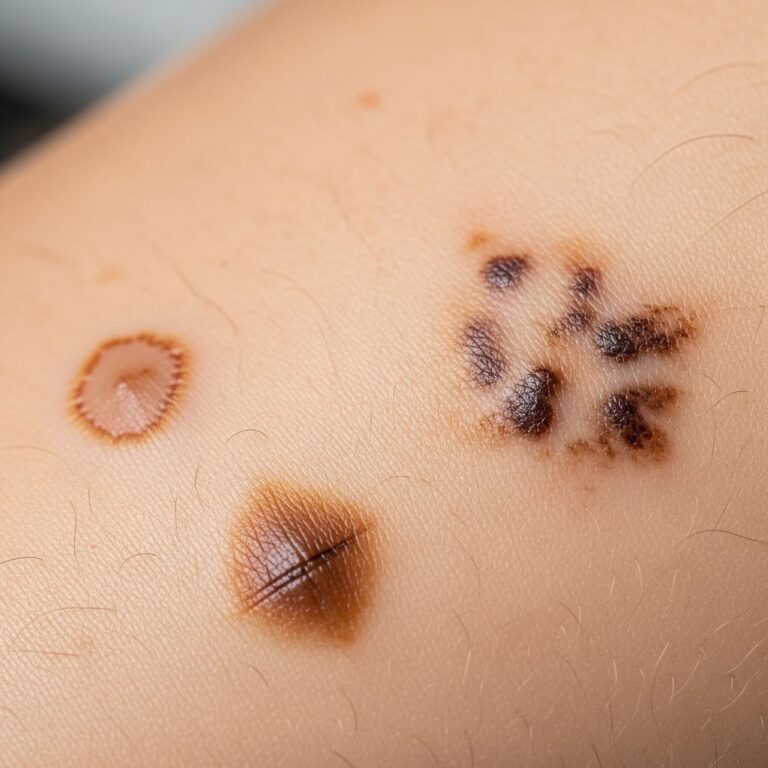
Elevated testosterone, or hyperandrogenism, affects an estimated one in 10 women and manifests in various ways. Common signs include hirsutism (excess facial and body hair), acne, male-pattern baldness, deepening voice, and increased muscle mass. Internally, it may cause insulin resistance, irregular menstrual cycles, and fertility challenges. Unlike men, women’s total testosterone is 10-20 times lower, yet imbalances disrupt health significantly.
In PCOS, the primary cause, ovaries and adrenal glands overproduce testosterone, leading to these symptoms. As women age, levels typically decline by 1-2% yearly from age 30, halving by menopause, but in some cases, they rise abnormally.
Normal vs. High Testosterone Levels
Normal total testosterone in women ranges from 15-70 ng/dL, with free testosterone at 0.3-1.9 ng/dL. Levels above 70 ng/dL indicate hyperandrogenism, confirmed via blood tests measuring total testosterone, free testosterone, and Free Androgen Index (FAI = total testosterone/SHBG × 100). FAI below 1% may suggest insufficiency, while above 5% signals excess. Accurate testing is challenging due to low concentrations and protein binding.
Causes of High Testosterone in Women
The leading cause is
PCOS
, affecting ovarian function and insulin sensitivity, prompting excess androgen production. Other factors include:- Congenital Adrenal Hyperplasia (CAH): Genetic disorder causing adrenal overproduction of androgens.
- Adrenal Tumors: Rare growths increasing testosterone output.
- Ovarian Tumors: Hyperthecosis or cancers elevating hormones.
- Medications: Anabolic steroids, certain contraceptives, or hormone therapies.
- Insulin Resistance: Linked to obesity, amplifying ovarian testosterone.
Stress elevates cortisol, indirectly boosting testosterone, while menopause transitions can paradoxically increase levels in some.
Symptoms of High Testosterone in Women
| Skin & Hair | Menstrual & Reproductive | Metabolic & Other |
|---|---|---|
| Acne, oily skin Hirsutism (chin, chest hair) Alopecia (thinning scalp hair) | Irregular/absent periods Infertility Clitoromegaly | Weight gain, insulin resistance Deepening voice Increased muscle mass |
These symptoms vary by severity and duration of elevation.
10 Evidence-Based Ways to Lower Testosterone Naturally
Lifestyle changes form the foundation of treatment, often reducing levels by addressing root causes like insulin resistance.
1. Lose Weight if Overweight
Even 5-10% weight loss lowers testosterone by improving insulin sensitivity, especially in PCOS. Combine calorie reduction with exercise for best results.
2. Adopt a Low-Glycemic Diet
Prioritize foods with low glycemic index (GI) to stabilize blood sugar and insulin:
- Vegetables (broccoli, spinach)
- Whole grains (quinoa, oats)
- Lean proteins (fish, chicken)
- Healthy fats (avocados, nuts)
- Avoid sugar, refined carbs, processed foods.
3. Exercise Regularly
Combine aerobic (30 min/day) and resistance training (3x/week). Strength training directly lowers testosterone; yoga benefits PCOS patients by balancing hormones.
Related Stories



4. Manage Stress
Chronic stress raises cortisol and testosterone. Practice meditation, yoga, or mindfulness daily to reduce levels.
5. Prioritize Sleep
Aim for 7-9 hours nightly. Poor sleep disrupts hormones, exacerbating imbalances.
6. Drink Spearmint Tea
Two cups daily modestly reduces free testosterone, per small studies.
7. Consider Supplements
Under medical guidance:
- Inositol: Improves insulin sensitivity in PCOS, lowering testosterone.
- Licorice Root: Anti-androgenic effects.
- Saw Palmetto: Blocks DHT conversion.
- Vitamin D: Deficiency links to high androgens; supplement if low.
8. Limit Dairy and Red Meat
These may increase insulin and androgens; opt for plant-based alternatives.
9. Incorporate Anti-Inflammatory Foods
Turmeric, fatty fish, berries combat inflammation tied to hormonal issues.
10. Stay Hydrated
Adequate water supports metabolic function and detoxification.
Medical Treatments to Lower Testosterone
When lifestyle isn’t enough, medications target underlying causes.
- Oral Contraceptives: Suppress ovarian androgens, regulate cycles.
- Anti-Androgens: Spironolactone blocks testosterone effects; effective for hirsutism/acne.
- Metformin: Improves insulin resistance in PCOS.
- Glucocorticoids: For adrenal causes like CAH.
- GnRH Agonists: Suppress ovarian production in severe cases.
Surgery (ovarian/adrenal removal) is rare, for tumors.
When to See a Doctor
Consult if experiencing multiple symptoms, especially sudden onset or virilization (voice deepening, clitoromegaly). Testing includes hormone panels, ultrasound for PCOS. Early intervention prevents complications like diabetes, heart disease.
FAQs
Can high testosterone in women be reversed?
Yes, through lifestyle changes, weight loss, and medications addressing the cause, levels can normalize.
How can I lower my testosterone levels quickly?
Weight loss, low-GI diet, and exercise yield fastest natural results; meds provide quicker symptom relief.
Does exercise lower testosterone in females?
Yes, particularly resistance training and yoga reduce levels in women with PCOS.
Are supplements effective for high testosterone?
Inositol and spearmint show modest benefits; always consult a doctor.
Is high testosterone common in menopause?
Typically levels decline, but some experience rises; therapy is for low levels if needed.
Potential Risks and Monitoring
Treatments require monitoring to avoid side effects like liver strain or excess suppression. Regular blood tests track FAI <5%. Pregnant/breastfeeding women or those with cancers should avoid certain therapies.
References
- Facts About Testosterone Therapy for Women — Banner Health. 2023-10-12. https://www.bannerhealth.com/healthcareblog/teach-me/facts-about-testosterone-therapy-for-women
- How to Treat High Testosterone in Women: Signs and Causes — Midi Health. 2024-05-15. https://www.joinmidi.com/post/how-to-treat-high-testosterone
- Should we be prescribing testosterone to perimenopausal and menopausal women? — NIH/PMC. 2020-04-01. https://pmc.ncbi.nlm.nih.gov/articles/PMC7098532/
Similar Articles








Read full bio of Sneha Tete