How To Lower Your Heart Rate: 11 Evidence-Based Ways
Effective strategies to reduce resting heart rate naturally through exercise, diet, stress management, and more for better heart health.
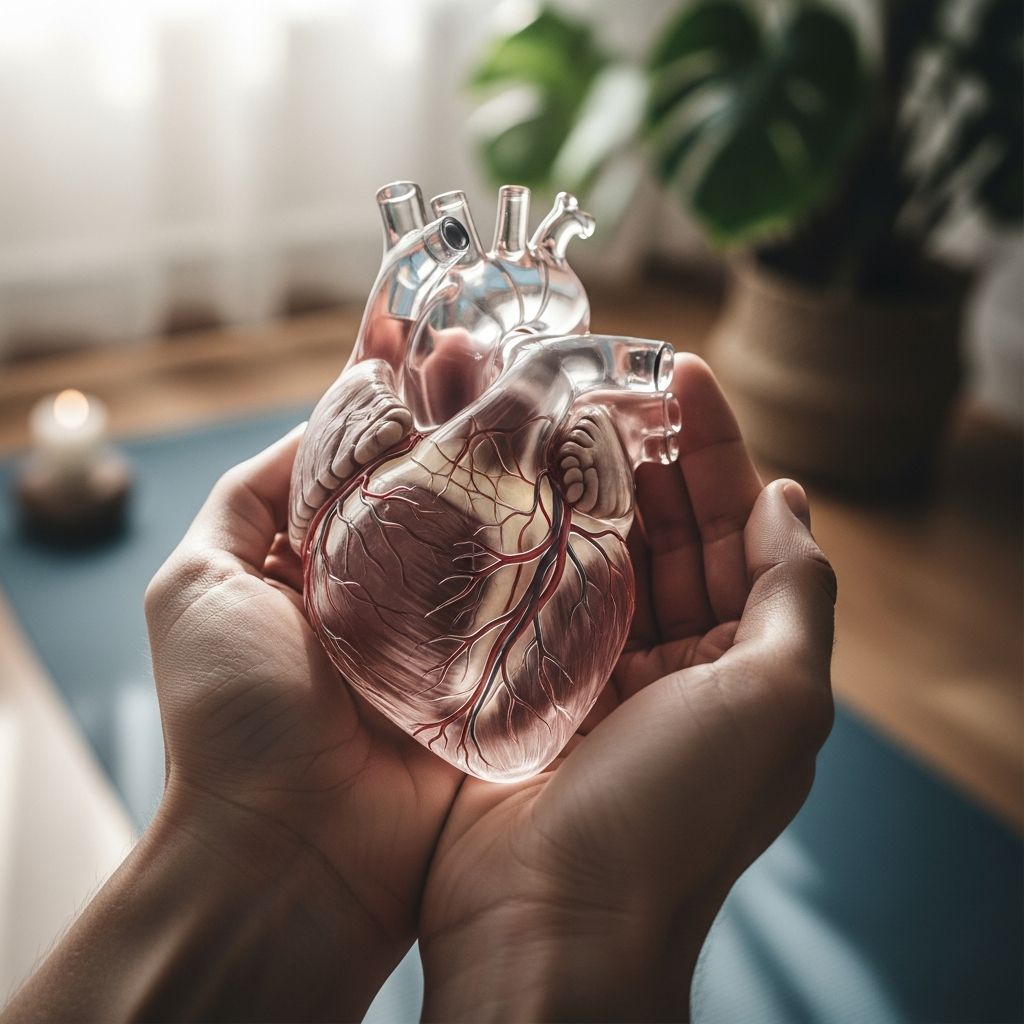
A normal resting heart rate for adults ranges from 60 to 100 beats per minute (bpm), according to the American Heart Association (AHA). Higher rates may signal increased risks for heart disease, high blood pressure, and other conditions, but lifestyle changes can effectively lower it over time.
Understanding your heart rate is key to cardiovascular wellness. This guide covers evidence-based methods to reduce it, including exercise, diet, and relaxation techniques, drawing from medical experts and research.
What Is a Normal Resting Heart Rate?
The resting heart rate measures heartbeats per minute when at rest. For adults, 60-100 bpm is typical, though athletes often have lower rates around 40-60 bpm due to better heart efficiency.
A consistently elevated resting heart rate above 80-90 bpm correlates with higher all-cause and cardiovascular mortality risks. A meta-analysis of over 1.2 million people found a 9% increased all-cause mortality risk per 10 bpm increment.
- Athletes and fit individuals: Often 40-60 bpm, indicating strong cardiac function.
- Average adults: 60-100 bpm; above 90 bpm raises health concerns.
- Children and infants: Higher rates, e.g., 70-100 bpm for kids aged 6-15.
Monitor by placing fingers on your wrist or neck and counting beats for 60 seconds. Apps and wearables provide convenient tracking.
Why Lower Your Heart Rate?
A lower resting heart rate reflects better heart efficiency and reduced workload. High rates strain the heart, promoting atherosclerosis, ischemia, and inflammation.
Benefits include:
- Lower risk of heart failure, stroke, and diabetes.
- Improved exercise tolerance and energy levels.
- Decreased mortality; rates below 70 bpm show protective effects.
11 Effective Ways to Lower Your Heart Rate
1. Exercise Regularly
Aerobic exercise like walking, running, swimming, or cycling strengthens the heart, allowing more blood per beat and lowering resting rate over time. Aim for 150 minutes weekly of moderate activity.
Yoga and endurance training are particularly effective. Studies show regular exercisers reduce rates by 5-10 bpm.
2. Stay Hydrated
Dehydration reduces blood volume, forcing the heart to pump faster. Drinking adequate water stabilizes flow and lowers rate. Aim for 8-10 glasses daily, more if active.
3. Practice Deep Breathing
Slow, deep breaths activate the parasympathetic nervous system, slowing the heart. Try 4-7-8 breathing: inhale 4 seconds, hold 7, exhale 8. Do for 5 minutes daily.
4. Manage Stress
Chronic stress elevates heart rate via cortisol. Techniques like meditation, mindfulness, or therapy reduce it. A review linked greenspace exposure to lower rates.
5. Limit Stimulants
Caffeine and nicotine increase rate. Cut coffee to 1-2 cups, quit smoking for noticeable drops within weeks.
6. Get Enough Sleep
Poor sleep raises rate; aim for 7-9 hours. Quality rest allows heart recovery.
7. Eat a Heart-Healthy Diet
Focus on whole grains, fruits, vegetables, lean proteins, and healthy fats. Limit salt, sugar, and alcohol. The AHA-endorsed diet prevents cardiovascular issues.
Related Stories



- Fruits and veggies: Potassium-rich foods like bananas regulate rhythm.
- Omega-3s: From fish, reduce inflammation.
- Avoid processed foods.
8. Try Vagal Maneuvers
Stimulate the vagus nerve for quick reductions:
- Valsalva: Pinch nose, close mouth, bear down as if straining.
- Diving reflex: Splash cold water on face.
- Carotid massage: Gently rub neck artery (under medical guidance).
These are useful for sudden high rates but consult a doctor first.
9. Lose Weight if Needed
Excess weight burdens the heart. Losing 5-10% body weight can lower rate by improving efficiency.
10. Limit Alcohol
Excess alcohol raises rate; stick to 1 drink/day for women, 2 for men.
11. Consider Medications if Prescribed
Beta-blockers or calcium channel blockers lower rate for conditions like hypertension. Only under doctor supervision.
Target Heart Rate During Exercise
Calculate max heart rate: 220 minus age. Target is 50-85% of max for moderate-vigorous activity.
| Age (years) | Target Heart Rate (bpm) | Average Max (bpm) |
|---|---|---|
| 20 | 100-170 | 200 |
| 30 | 95-162 | 190 |
| 40 | 93-157 | 185 |
| 50 | 88-149 | 170 |
| 60 | 83-140 | 160 |
| 70 | 75-128 | 150 |
Use this to stay in safe zones.
When to See a Doctor
Seek care if resting rate exceeds 100 bpm at rest, or with symptoms like dizziness, chest pain, or fainting. Could indicate anemia, thyroid issues, infection, or heart conditions.
Doctors may order EKG, blood tests, or thyroid checks. Persistent high rates increase cardiovascular risks.
Frequently Asked Questions (FAQs)
What is a dangerous heart rate?
Over 100 bpm at rest (tachycardia) or under 60 bpm with symptoms (bradycardia). Consult a doctor.
How long does it take to lower heart rate with exercise?
Weeks to months of consistent activity for 5-15 bpm drops.
Can anxiety cause high heart rate?
Yes; stress management helps long-term.
Is a heart rate of 90 bpm normal?
Within range but higher end; lifestyle tweaks recommended.
Does hydration instantly lower heart rate?
It helps stabilize quickly if dehydrated.
This comprehensive approach, combining lifestyle and acute techniques, empowers better heart health. Track progress and consult professionals for personalized advice.
References
- 11 ways to lower your heart rate — Medical News Today. 2023-10-12. https://www.medicalnewstoday.com/articles/321310
- Resting heart rate and all-cause and cardiovascular mortality — PMC (National Library of Medicine). 2016-02-16. https://pmc.ncbi.nlm.nih.gov/articles/PMC4754196/
- All About Heart Rate — American Heart Association. 2024-01-05. https://www.heart.org/en/health-topics/high-blood-pressure/the-facts-about-high-blood-pressure/all-about-heart-rate-pulse
Similar Articles








Read full bio of Sneha Tete