How to Make a Healthier Pasta Salad Recipe
Transform your classic pasta salad into a nutritious powerhouse with simple swaps for more veggies, whole grains, and lighter dressings.
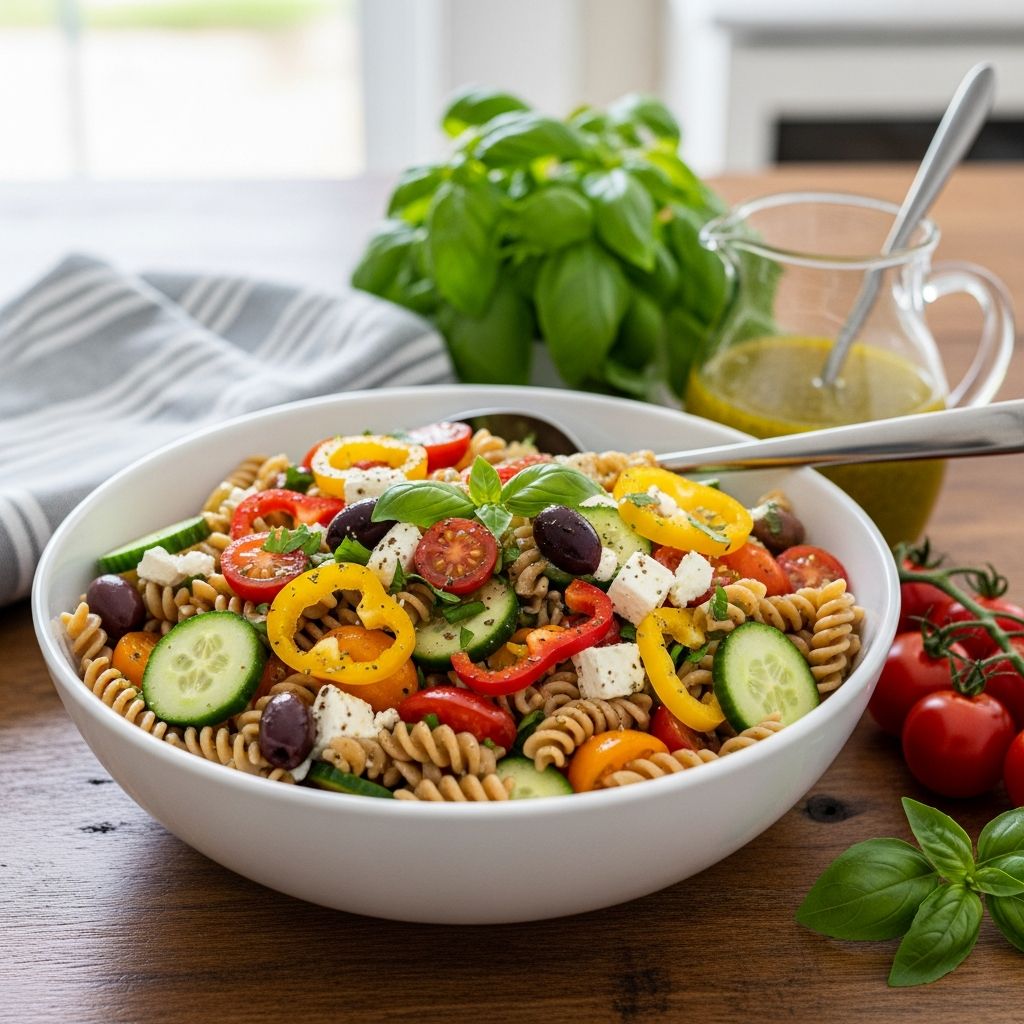
Pasta salad is a beloved staple at picnics, potlucks, and summer gatherings, but traditional versions often rely on heavy mayonnaise dressings and minimal vegetables, leading to high calories and low nutrient density. By making smart substitutions—like increasing vegetable portions, opting for whole-grain pasta, and using lighter dressings—you can transform this comfort food into a wholesome, satisfying dish that supports balanced eating without sacrificing taste.
This guide draws from proven healthy cooking techniques to help you craft pasta salads that are richer in fiber, vitamins, and protein while cutting back on added sugars and fats. Whether you’re prepping for a crowd or meal prepping for the week, these strategies ensure your pasta salad is both delicious and nourishing.
Why Make a Healthier Pasta Salad?
Standard pasta salads can pack hundreds of calories per serving from creamy mayo-based dressings and refined pasta, often lacking the fiber and micronutrients needed for satiety and health. A healthier approach emphasizes
whole ingredients
: more non-starchy vegetables for volume and crunch, lean proteins for staying power, and vinaigrettes or yogurt dressings for flavor without excess fat.Health organizations like the USDA recommend filling half your plate with vegetables for optimal nutrition, a principle easily applied to pasta salads. These upgrades can boost fiber intake by 50% or more per serving, improve blood sugar control, and enhance overall meal satisfaction.
Choose the Right Pasta
The foundation of any pasta salad is the pasta itself. Opt for
whole-grain varieties
such as whole-wheat rotini, farfalle, or penne, which retain the bran and germ for higher fiber (about 5-6 grams per serving vs. 2 grams in refined pasta). These choices help regulate digestion and provide sustained energy.- Best options: Rotini or fusilli for sauce-clinging spirals; farfalle (bow ties) for visual appeal; chickpea or lentil pasta for plant-based protein boosts (up to 20g per serving).
- Avoid: Long strands like spaghetti, which don’t hold dressings well in salads.
- Pro tip: Cook al dente and rinse under cold water to stop cooking and remove excess starch, preventing a mushy texture.
Whole-grain pastas not only add nutrition but also a nutty flavor that pairs beautifully with fresh herbs and veggies.
Boost the Vegetables
To make your pasta salad truly healthy, aim for vegetables to comprise at least
50-60% of the total volume
. This simple ratio dilutes calories while amplifying vitamins, antioxidants, and crunch.Start with a colorful base:
- Crunchy veggies: Bell peppers, cucumbers, celery, red onions, or radishes for texture.
- Juicy additions: Cherry tomatoes, halved for bursts of sweetness; shredded carrots or zucchini.
- Leafy greens: Spinach, arugula, or kale, added just before serving to stay crisp.
- Seasonal twists: Grilled corn in summer, roasted broccoli, or artichoke hearts.
Related Stories



Chop ingredients into bite-sized pieces matching your pasta shape for even distribution. A sample ratio: 2 cups cooked pasta to 4 cups chopped veggies serves 4 generously while keeping calories around 300 per portion.
Lighten Up the Dressing
Mayonnaise is the biggest calorie culprit in traditional recipes (up to 100 calories per tablespoon). Swap it for these lighter alternatives:
| Dressing Type | Key Ingredients | Calories (per 2 tbsp) | Benefits |
|---|---|---|---|
| Yogurt-Based | Greek yogurt, lemon juice, herbs, garlic | ~40 | High protein, tangy creaminess |
| Vinaigrette | Olive oil, vinegar, mustard, herbs | ~90 | Heart-healthy fats, customizable |
| Hummus or Tahini | Hummus thinned with water/lemon | ~60 | Plant-based, fiber-rich |
For a basic yogurt dressing: Whisk ½ cup plain Greek yogurt, 2 tbsp olive oil, 2 tbsp apple cider vinegar, 1 tsp Dijon mustard, salt, pepper, and fresh dill. This provides creaminess with 10g protein per batch.
Add Protein for Satiety
Incorporate lean proteins to turn your salad into a complete meal. Aim for 15-25g per serving.
- Animal-based: Grilled chicken (shredded rotisserie works great), turkey, tuna, hard-boiled eggs, or shrimp.
- Plant-based: Chickpeas, white beans, edamame, or tofu cubes.
- Cheese: Feta or goat cheese in moderation (1-2 oz per recipe) for tang.
Example: 2 cooked chicken breasts (about 2 cups shredded) for a 1-lb pasta recipe adds substantial protein without heaviness.
Incorporate Healthy Fats
Don’t fear fats—choose wisely.
Avocados
, olives, nuts (like almonds or walnuts), and extra-virgin olive oil provide monounsaturated fats that support heart health.- Dice 1-2 avocados and toss with lemon juice to prevent browning.
- Add ¼ cup sliced olives or 2 tbsp sunflower seeds for crunch.
These elements enhance flavor and help absorb fat-soluble vitamins from veggies.
Flavor Boosters and Herbs
Elevate taste with fresh, low-calorie additions:
- Herbs: Basil, parsley, cilantro, or mint (½ cup chopped).
- Acids: Lemon zest/juice, balsamic glaze.
- Spices: Garlic powder, smoked paprika, or Italian seasoning.
Fresh basil pairs perfectly with tomatoes and chicken, as in many popular recipes.
Sample Healthy Chicken Pasta Salad Recipe
Put it all together with this easy, 20-minute recipe serving 6:
Ingredients
- 1 lb whole-wheat rotini, cooked and cooled
- 2 cups shredded cooked chicken breast
- 2 avocados, diced
- 1 pint cherry tomatoes, halved
- 1 red onion, finely chopped
- ½ cup fresh basil, chopped
- 1 cucumber, diced
- Dressing: ½ cup Greek yogurt, ¼ cup olive oil, 3 tbsp white wine vinegar, 1 tbsp Italian seasoning, salt/pepper
Instructions
- Combine pasta, chicken, veggies, and basil in a large bowl.
- Whisk dressing ingredients and pour over salad. Toss gently.
- Chill 30 minutes for flavors to meld. Serve cold.
Nutrition per serving: ~350 calories, 20g protein, 12g fiber, 15g fat.
Make-Ahead and Storage Tips
Pasta salads improve with time. Prepare up to 24 hours ahead, but add delicate items like avocado last. Store in airtight containers up to 3-4 days in the fridge. No mayo means safer picnics!
- Freezing: Possible without avocado; thaw and refresh dressing.
- Scaling: Doubles easily for crowds.
Common Mistakes to Avoid
- Overcooking pasta—leads to sogginess.
- Too much dressing—start with half and add more.
- Skipping salt—season components individually.
- Ignoring acid balance—vinegar/lemon prevents blandness.
Variations for Every Diet
- Vegan: Swap chicken for chickpeas, yogurt for tahini dressing.
- Gluten-Free: Use GF pasta; check dressings.
- Mediterranean: Add feta, olives, oregano.
- Asian-Inspired: Sesame oil, soy sauce, edamame, cilantro.
Frequently Asked Questions (FAQs)
Can I make pasta salad ahead of time?
Yes, it’s ideal for make-ahead meals. Prepare 1 day in advance, store chilled, and add fresh herbs/avocado before serving.
How do I keep avocado from browning?
Toss diced avocado in lemon or lime juice right before mixing; it acts as an antioxidant.
What’s the best pasta shape for salad?
Short, sturdy shapes like rotini, penne, or farfalle hold dressing and veggies best.
Is Greek yogurt a good mayo substitute?
Absolutely—it’s lower in fat, higher in protein, and provides creamy texture with tang.
Can I use this for meal prep?
Perfect! Portion into containers for 3-4 days of lunches; it stays fresh without mayo.
With these techniques, your pasta salads will be crowd-pleasers that nourish rather than weigh you down. Experiment and enjoy the vibrant flavors of healthier eating.
References
- Dietary Guidelines for Americans, 2020-2025 — U.S. Department of Agriculture and U.S. Department of Health and Human Services. 2020-12-01. https://www.dietaryguidelines.gov/sites/default/files/2020-12/Dietary_Guidelines_for_Americans_2020-2025.pdf
- Whole Grains, Refined Grains, and Dietary Fiber — American Heart Association. 2023-07-15. https://www.heart.org/en/healthy-living/healthy-eating/eat-smart/nutrition-basics/whole-grains-refined-grains-and-dietary-fiber
- Greek Yogurt Nutrition Facts — Harvard T.H. Chan School of Public Health. 2024-02-20. https://www.hsph.harvard.edu/nutritionsource/food-features/yogurt/
- Vegetable Intake Recommendations — Centers for Disease Control and Prevention. 2025-01-10. https://www.cdc.gov/nutrition/strategies-guidelines/vegetables-fruits.html
- Healthy Fats in Mediterranean Diet — National Institutes of Health. 2023-11-05. https://www.nhlbi.nih.gov/health/heart-healthy-living/healthy-foods/mediterranean-diet
Similar Articles








Read full bio of Sneha Tete