How To Make A Healthy Smoothie: 3 Easy Recipes
Master the art of creating nutritious, delicious smoothies that support your wellness goals.
How to Make a Healthy Smoothie
Smoothies have become a popular choice for busy individuals seeking a quick, convenient way to incorporate fruits, vegetables, and other nutritious ingredients into their diet. However, not all smoothies are created equal. Many commercially available and homemade smoothies can be loaded with added sugars, artificial ingredients, and excess calories that undermine their health benefits. Learning how to create truly healthy smoothies involves understanding which ingredients to include, which to avoid, and how to balance flavors with nutrition. This comprehensive guide will help you master the art of making smoothies that genuinely support your wellness goals.
Understanding the Basics of Healthy Smoothies
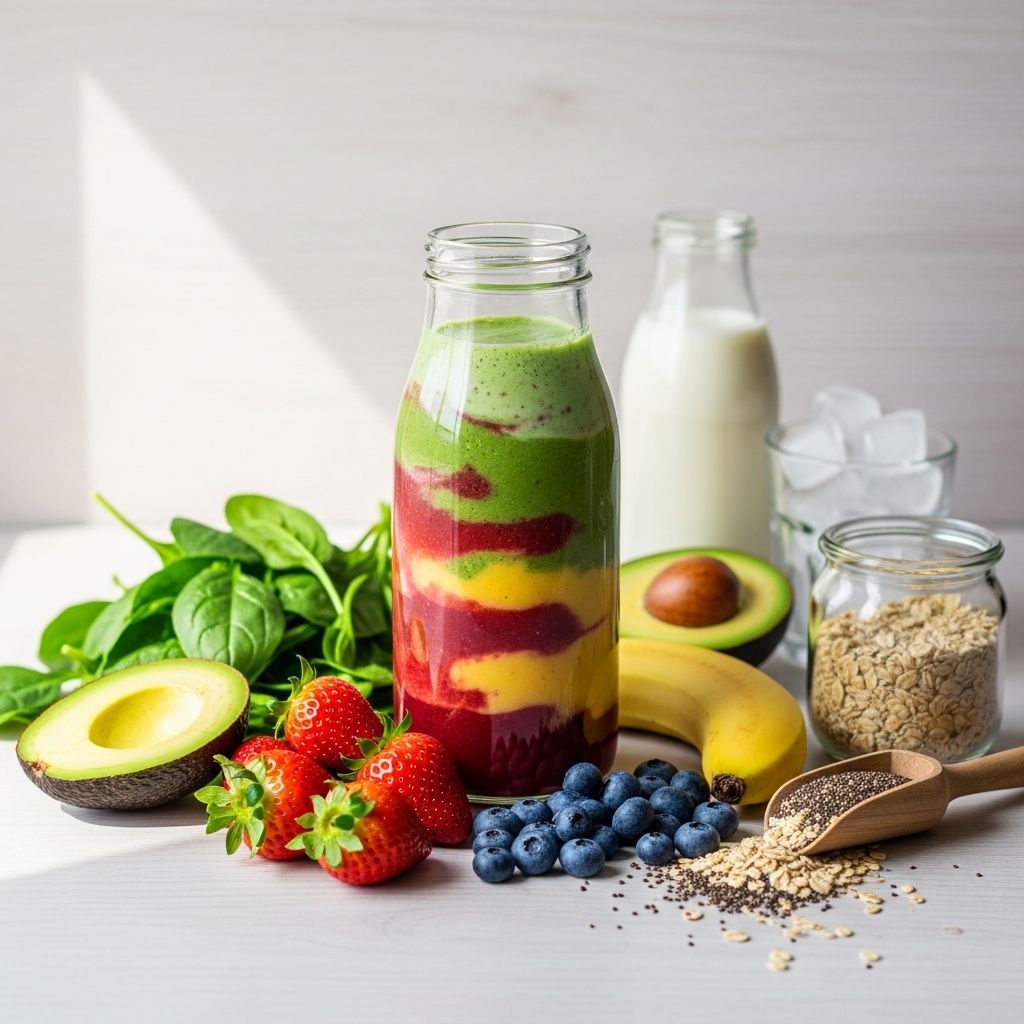
A healthy smoothie serves as a functional food that combines multiple nutrient-dense ingredients to support your body’s needs. The foundation of any nutritious smoothie includes whole fruits and vegetables, plant-based or dairy proteins, healthy fats, and liquid to achieve the desired consistency. Unlike trendy smoothie shop creations that often contain excessive amounts of sweeteners and caloric ingredients, a well-planned homemade smoothie can deliver sustained energy, support digestive health, and provide essential vitamins and minerals in a single glass.
The key to creating a truly healthy smoothie lies in mindful ingredient selection and understanding how different components work together. By learning the principles outlined here, you can create smoothies tailored to your specific health objectives, whether that involves improving digestion, boosting energy, supporting heart health, or enhancing overall wellness.
Core Ingredients for Healthy Smoothies
Fruits: Nature’s Nutrient Powerhouses
Fruits form the flavor foundation of most smoothies while providing essential vitamins, minerals, and fiber. Fresh berries such as blueberries, strawberries, and raspberries are particularly beneficial due to their high antioxidant content and relatively low natural sugar levels compared to other fruits. Bananas offer natural sweetness and creaminess along with potassium, making them excellent smoothie bases. While frozen fruits are often overlooked, research indicates that frozen fruits and vegetables sometimes retain or even enhance their nutritional profiles compared to fresh produce, particularly when the fresh items have been stored for extended periods.
When selecting fruits, consider using a variety of colors to ensure you’re consuming diverse phytonutrients. Tropical fruits like mangoes and pineapples add exciting flavors while contributing bromelain and papain enzymes that support digestive health. Stone fruits including peaches and cherries provide beneficial compounds along with their naturally sweet taste.
Vegetables: Hidden Nutritional Wealth
Incorporating vegetables into your smoothies dramatically increases their nutritional density without adding excessive calories or natural sugars. Leafy greens such as spinach, kale, and Swiss chard are nutritional champions, packed with iron, calcium, vitamins K and C, and various phytonutrients that fight cellular damage. The beauty of adding greens to smoothies is that their flavor becomes virtually undetectable when balanced with sweet fruits, making them perfect for those hesitant about consuming vegetables in their raw form.
Root vegetables like beets add deep color, natural sweetness, and compounds that support cardiovascular health. Carrots contribute beta-carotene and a subtle sweetness that complements fruit-based smoothies. Cruciferous vegetables such as broccoli and cauliflower, while less common in smoothies, can be incorporated in small quantities to boost sulforaphane and other cancer-fighting compounds.
Protein Sources: Building Blocks for Satiety
Adding protein to your smoothie ensures sustained energy release and helps maintain muscle mass. Greek yogurt provides a creamy texture while delivering substantial protein and probiotics that support gut health. For those avoiding dairy, plant-based alternatives include hemp seeds, which are rich in stress-lowering magnesium and omega-3 fatty acids; chia seeds, which absorb liquid and create a satisfying texture while providing fiber; and pumpkin seeds, which offer zinc and protein.
Related Stories



Protein powders can enhance smoothies when selected carefully. Whey-based options work well for those consuming dairy, while plant-based powders derived from peas, hemp, or brown rice suit vegan diets. Ensure any protein powder contains minimal added sugars and artificial additives. Nut butters such as almond, peanut, or cashew butter contribute healthy fats, protein, and creamy texture, though they should be used mindfully due to their caloric density.
Healthy Fats: Essential for Absorption
Healthy fats are crucial components of nutritious smoothies, improving nutrient absorption, particularly of fat-soluble vitamins like A, D, E, and K. Avocado stands out as an anti-inflammatory food with monounsaturated fats shown to significantly reduce heart disease risk when consumed regularly. Nuts and seeds including almonds, walnuts, and sunflower seeds provide omega-3 and omega-6 fatty acids. Coconut milk and almond milk offer plant-based fat sources that create creamy textures without dairy.
Oils such as olive oil, avocado oil, and flaxseed oil can be incorporated in small quantities to boost healthy fat content. While these additions increase caloric density, they provide important health benefits and increase satiety, helping you feel fuller for longer.
The Liquid Foundation
Choosing the right liquid base significantly impacts both the taste and nutritional profile of your smoothie. Water provides a neutral option that won’t add unwanted sugars or calories, though smoothies made primarily with water may lack creaminess. Plant-based milk alternatives including almond, oat, coconut, and cashew milk offer varying flavor profiles and nutritional benefits. Oat milk provides beta-glucans that support cholesterol management, while almond milk delivers minimal calories and some vitamin E.
Greek yogurt or regular yogurt mixed with milk creates naturally creamy smoothies rich in probiotics. Coconut water offers electrolytes and minerals, making it particularly suitable for post-workout smoothies. Importantly, avoid fruit juices as liquid bases, despite their apparent healthfulness. Juice is high in naturally occurring sugar (fructose) that can spike blood sugar levels and add substantial unwanted calories. During juice production, most of the fruit’s fiber—which helps the body regulate blood sugar and suppress hunger—is removed from the final product. Higher-fiber diets have been linked with lower inflammation and better overall health outcomes.
Ingredients to Limit or Avoid
Added Sugars and Sweeteners
One of the most common mistakes in smoothie preparation involves adding unnecessary sweeteners. Honey, agave nectar, white sugar, and brown sugar rapidly increase caloric content and blood sugar impact. While natural sweeteners like stevia and monk fruit contain zero calories, they should be used sparingly to allow the natural sweetness of fruits to shine through. Many commercial smoothies contain as much sugar as dessert, undermining their health benefits.
Fruit Juices and Concentrates
As discussed above, fruit juices lack the fiber present in whole fruits and concentrate sugars in problematic ways. Even “100% fruit juice” contains high amounts of naturally occurring sugars without the satiety that whole fruits provide. Juice concentrates amplify these issues further, delivering intense sweetness without nutritional fiber.
Artificial Additives
Avoid smoothies containing artificial flavors, colors, or preservatives. Ingredients like high-fructose corn syrup, artificial sweeteners in excessive amounts, and food dyes provide no nutritional benefit and may have negative health effects with regular consumption.
Building Your Perfect Smoothie Formula
Creating a balanced, healthy smoothie involves understanding proper proportions and ingredient combinations. A basic formula includes:
- One cup of liquid (milk, yogurt mixed with water, or coconut water)
- One to two cups of fruits (fresh or frozen)
- One to two cups of vegetables (leafy greens, root vegetables, or cruciferous vegetables)
- One serving of protein (yogurt, protein powder, nut butter, or seeds)
- One serving of healthy fat (avocado, nut butter, seeds, or oil)
- Optional flavor enhancers (cinnamon, turmeric, vanilla extract, or ginger)
Flavor Enhancement and Optional Additions
Spices and natural flavoring agents can dramatically improve smoothie taste while adding health benefits. Cinnamon not only provides natural sweetness and warmth but also helps regulate blood sugar levels. Turmeric, a yellow spice containing curcumin, has been found to reduce inflammation in autoimmune conditions and may help reduce arthritis pain and swelling. Vanilla extract adds depth and perceived sweetness without adding calories. Fresh ginger provides warming notes and digestive support, while nutmeg contributes antioxidants.
For added creaminess without excess calories, incorporate a tablespoon of almond butter, Greek yogurt, or safflower, avocado, or olive oil. These additions create luxurious texture while providing nutritional benefits. Some individuals enjoy adding a small amount of raw cacao powder for chocolate notes rich in antioxidants, though this should be unsweetened to avoid added sugars.
Preparation Tips for Success
Freezing and Storage
Many people keep a supply of frozen bananas and other fruits in their freezers to toss into smoothies. This approach eases preparation and provides convenient portions while maintaining nutritional value. Frozen fruits eliminate the need for ice, which can dilute smoothies as it melts. To freeze fruits, simply chop them, place on a baking sheet until frozen, then transfer to freezer bags for convenient storage up to three months.
Blending Techniques
For optimal smoothie consistency and nutrient distribution, add ingredients in a specific order. Begin with liquid, then add frozen fruits (which help create thickness), vegetables, protein sources, and healthy fats last. This sequence prevents leafy greens from getting stuck at the bottom of your blender. Process until smooth, approximately one to two minutes, depending on your blender’s power.
Timing and Consumption
Consume smoothies immediately after preparation to preserve nutrient content, though they can be refrigerated for up to 24 hours in airtight containers. If stored, shake well before consuming as separation may occur. For best results, drink smoothies as part of a balanced meal or snack rather than as a complete meal replacement, unless specifically designed for that purpose.
Sample Healthy Smoothie Recipes
Green Power Smoothie
This nutrient-dense smoothie combines two cups fresh spinach, one frozen banana, one cup frozen blueberries, one cup unsweetened almond milk, one-half cup Greek yogurt, one tablespoon almond butter, and one-half teaspoon vanilla extract. Blend until smooth and enjoy a breakfast rich in antioxidants, protein, and fiber.
Tropical Anti-Inflammatory Smoothie
Combine one cup frozen mango, one cup frozen pineapple, one-half cup Greek yogurt, one cup coconut milk, one-quarter teaspoon turmeric, and one tablespoon hemp seeds. This smoothie delivers bromelain and papain enzymes supporting digestion while turmeric reduces inflammation.
Creamy Avocado Green Smoothie
Blend one-half avocado, two cups fresh spinach, one frozen banana, one cup unsweetened almond milk, one-quarter cup pumpkin seeds, and one teaspoon raw cacao powder. The avocado provides creamy texture and heart-healthy monounsaturated fats while seeds contribute protein and minerals.
Common Smoothie Mistakes to Avoid
Understanding typical errors helps ensure your smoothies support rather than undermine health goals. Excessive portion sizes of high-calorie ingredients like nut butters and coconut milk can transform nutritious smoothies into calorie bombs containing 600+ calories. Using fruit juice instead of whole fruits removes beneficial fiber while concentrating sugars. Neglecting protein sources may result in blood sugar spikes and rapid hunger return. Forgetting about vegetable additions misses opportunities to increase micronutrient density and fiber content.
Adding unnecessary sweeteners masks the natural flavor of quality ingredients while increasing sugar content. Using low-quality protein powders packed with artificial ingredients contradicts the smoothie’s health purpose. Finally, consuming smoothies too quickly or in place of mindful eating prevents proper satiety signaling and may lead to overeating later.
Frequently Asked Questions
Q: Can I meal-prep smoothies in advance?
A: While fresh smoothies are ideal, you can prepare smoothie packs by freezing pre-measured ingredient combinations in bags, then blending with liquid when ready to consume. Alternatively, refrigerate completed smoothies up to 24 hours, though separation may occur and nutritional content may decline.
Q: Are frozen fruits less nutritious than fresh?
A: Research indicates frozen fruits often retain or enhance nutritional profiles compared to fresh produce, particularly when fresh items have been stored for extended periods. Frozen fruits are typically processed at peak ripeness, preserving beneficial compounds.
Q: How can I make my smoothie thicker or thinner?
A: Increase thickness by using more frozen fruits or adding chia seeds, which absorb liquid and expand. Decrease thickness by adding more liquid gradually. Greek yogurt creates creaminess without thinning excessively.
Q: Can smoothies help with specific health conditions?
A: Anti-inflammatory smoothies with turmeric, ginger, and antioxidant-rich fruits support immune health and may help manage inflammation-related conditions. However, smoothies complement rather than replace medical treatment.
Q: What’s the best time to drink a smoothie?
A: Smoothies work well as breakfasts, post-workout refueling, or afternoon snacks. Consuming them with balanced meals ensures stable blood sugar and sustained energy.
References
- Anti-Inflammatory Diet and Rheumatoid Arthritis — Mayo Clinic. 2024. https://www.mayoclinic.org/diseases-conditions/rheumatoid-arthritis/expert-answers/ra-diet/faq-20058106
- Fiber and Inflammation: A Systematic Review — American Journal of Clinical Nutrition. PubMed Central. https://www.ncbi.nlm.nih.gov/pmc/articles/PMC8588348/
- Nutritional Quality of Frozen Fruits and Vegetables — Journal of Agricultural and Food Chemistry, American Chemical Society. 2023. https://pubs.acs.org/doi/10.1021/jf034169u
- Curcumin and Inflammation: A Review of Preclinical and Clinical Research — Nutrients. 2024. https://www.ncbi.nlm.nih.gov/pmc/articles/PMC8156295/
- Fruit Juice and Blood Sugar Regulation — Harvard School of Public Health. 2023. https://www.hsph.harvard.edu/nutritionsource/carbohydrates/added-sugar-in-the-diet/
Similar Articles








Read full bio of Sneha Tete