How To Make Canned Tuna Healthier: 5 Easy Nutrition Boosters
Unlock the full health potential of canned tuna with smart choices on types, mercury limits, and delicious recipes.
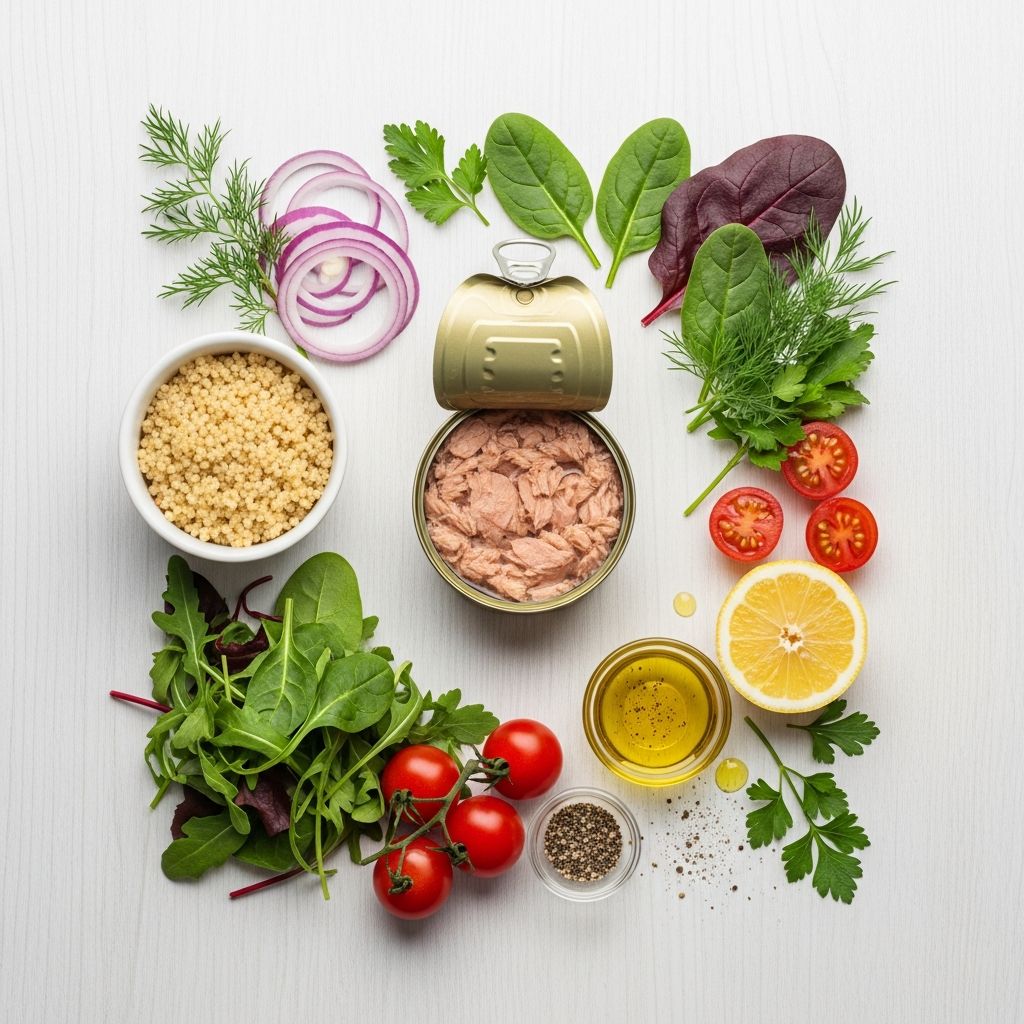
Canned tuna is a convenient, protein-packed pantry staple loaded with omega-3 fatty acids, vitamin D, selenium, and B vitamins that support heart health, brain function, and muscle maintenance. However, concerns about mercury contamination mean strategic choices are essential to maximize benefits while minimizing risks.
Is Canned Tuna Healthy?
Yes, canned tuna delivers exceptional nutrition when consumed mindfully. A 3-ounce serving provides about 20 grams of lean
protein
for tissue repair and satiety, plus heart-healthyomega-3s
(DHA and EPA) that reduce inflammation and support brain health. It also suppliesvitamin D
for bone health and immunity,selenium
(an antioxidant that binds mercury to limit absorption), andB vitamins
(B12, B6, niacin) for energy metabolism and heart disease prevention. Studies confirm tuna’s favorable n-3 to n-6 fatty acid ratios promote overall wellness.Water-packed light tuna stands out with higher EPA + DHA levels and lower n-6:n-3 ratios (1:3 to 1:7), making it ideal for healthy populations seeking omega-3 benefits. Oil-packed options may suit those needing more essential fats, like cystic fibrosis patients.
The Mercury Concern With Canned Tuna
Mercury, a neurotoxin, accumulates in larger predatory fish like tuna. While selenium in tuna mitigates absorption by binding mercury, excessive intake risks neurological harm, especially in pregnant women, children, and frequent consumers.
FDA guidelines recommend:
- 2-3 servings (8-12 oz) weekly of
low-mercury fish
like canned light tuna for most adults. - 1 serving (4 oz) weekly of
higher-mercury fish
like albacore (white) tuna for pregnant/breastfeeding women and children.
Chunk light tuna (skipjack) has the lowest mercury; albacore has 3-4 times more. Limit albacore to once weekly.
Choose the Healthiest Canned Tuna
Opt for these to boost nutrition and cut risks:
- Light tuna (skipjack)**: Lowest mercury, highest omega-3s per calorie. Water-packed preserves favorable PUFA profiles.
- Water-packed**: Lower calories, superior n-3 PUFA delivery for heart/brain health.
- Pouches**: Less liquid, no draining needed; flavored varieties add convenience without excess sodium if used dressing-free.
- Pole-and-line caught/sustainable**: Minimizes bycatch and environmental toxins.
- Low-sodium**: Rinse to reduce salt by 30-40%.
| Tuna Type | Mercury Level | Omega-3s (EPA+DHA per 3oz) | Best For |
|---|---|---|---|
| Chunk Light (Water) | Low | High (200-300mg) | Daily/weekly use |
| Albacore (Water) | Moderate | Medium (150-250mg) | Occasional |
| Chunk Light (Oil) | Low | Medium (due to dilution) | Flavor seekers |
Oil-Packed vs. Water-Packed Tuna
Water-packed tuna excels for pure nutrition: higher relative omega-3 concentration and lower calories/fats. Oil-packed adds flavor and aids vegetable nutrient absorption but dilutes PUFA ratios (n-6:n-3 3:1 to 4:1) and calories. Choose based on goals—water for weight management/omega-3 focus; oil for taste and fat-soluble vitamin uptake with veggies. Drain oil-packed cans unless recipe-specific.
5 Ways to Make Canned Tuna Healthier
- Pair with fiber-rich foods**: Add beans, quinoa, avocado, or greens to blunt mercury absorption and enhance omega-3 effects. A bean-tuna salad stabilizes blood sugar.
- Incorporate anti-inflammatory ingredients**: Mix with olive oil, lemon, garlic, herbs, or turmeric for compounded heart benefits.
- Boost with veggies**: Tuna-stuffed peppers or cucumber boats add antioxidants that counter oxidative stress from metals.
- Control portions**: Stick to 3-4 oz per serving; diversify with salmon or sardines weekly.
- Rinse and drain**: Cuts sodium by 36%; choose no-salt-added.
Healthy Canned Tuna Recipes
Mediterranean Tuna Salad (Serves 2, 300 cal/serving)
Ingredients: 1 can light tuna (drained), 1 cup chickpeas, 1/2 cucumber (diced), 1/4 red onion, 1 tbsp olive oil, lemon juice, parsley, pepper.
Instructions: Mix all; chill 10 min. High-fiber, low-mercury power lunch.
Tuna-Stuffed Avocado Boats (Serves 1, 400 cal)
Quinoa Tuna Bowl (Serves 4)
1 cup cooked quinoa, 2 cans light tuna, spinach, cherry tomatoes, tahini dressing. Balanced macros, mercury-safe.
Tuna Lettuce Wraps
Romaine leaves + tuna + shredded carrots + hummus. Low-carb, portable snack.
Baked Tuna Patties
Mix tuna, egg, oats, mustard; bake at 375°F for 15 min. Lean protein alternative to burgers.
Frequently Asked Questions (FAQs)
Is canned tuna good for weight loss?
Related Stories



Yes, its high protein (20g/3oz) promotes fullness; water-packed keeps calories low (~100/serving). Pair with veggies for best results.
How much canned tuna is safe per week?
2-3 servings light tuna; 1 serving albacore for adults. Less for pregnant women/children per FDA.
Water-packed or oil-packed tuna—which is healthier?
Water-packed for higher omega-3 density and lower calories in healthy diets; oil for flavor and fat needs.
Does rinsing canned tuna reduce mercury?
No direct effect on mercury, but reduces sodium; selenium naturally binds mercury.
Is pouch tuna healthier than canned?
Similar nutrition; pouches are drier, portable, with fun flavors minus extra sauces.
Canned tuna remains a nutritional powerhouse when chosen and prepared wisely. Prioritize light, water-packed varieties, adhere to serving limits, and get creative with recipes for sustainable, mercury-conscious enjoyment.
References
- Health Benefits of Tuna — StarKist (Laura Ali, MS, RDN, LDN). 2023. https://starkist.com/healthy-article/health-benefits-of-tuna/
- The skinny on tuna fat: health implications — PMC/NCBI (Raiten DJ et al.). 2015-10-15. https://pmc.ncbi.nlm.nih.gov/articles/PMC4675452/
- Advice about Eating Fish — FDA. 2023-06-01. https://www.fda.gov/food/consumers/advice-about-eating-fish
- Omega-3 Fatty Acids and Cardiovascular Disease — American Heart Association. 2024-05-20. https://www.ahajournals.org/doi/10.1161/ATVBAHA.123.319456
- Mercury Levels in Commercial Fish and Shellfish — FDA. 2022-10-27. https://www.fda.gov/food/metals-and-your-food/mercury-levels-commercial-fish-and-shellfish-1990-2012
Similar Articles








Read full bio of medha deb